
Overview
Ziebart is promoting an in-house vehicle protection program for dealerships via a sponsored NADA Headlines post. The Gold Shield Protection Program is pitched as a way to boost per-vehicle profit by adding Ziebart-branded paint and fabric protection while keeping sales and application under the dealership’s control.
What the program offers
- Dealership-run application of Ziebart paint and fabric protection (no outside vendor on-site).
- Attach a recognizable brand at the point of sale to build customer confidence.
- Four claimed advantages: incremental revenue per vehicle; in-house control of presentation, pricing, and execution; scalability from single stores to groups; and low operational complexity that fits existing workflows.
- Positioned as adoptable without major upfront investment or disruption.
How it’s supported
- Training for existing prep staff to apply products “efficiently and consistently.”
- Ongoing operational guidance and product expertise to maintain service quality.
- Leverages Ziebart’s brand familiarity in-showroom to encourage premium add-ons.
Claimed operational benefits
- Dealers control when and how products are presented during the sales process.
- Potential for higher attach rates and bundling with F&I products, accessories, or service plans.
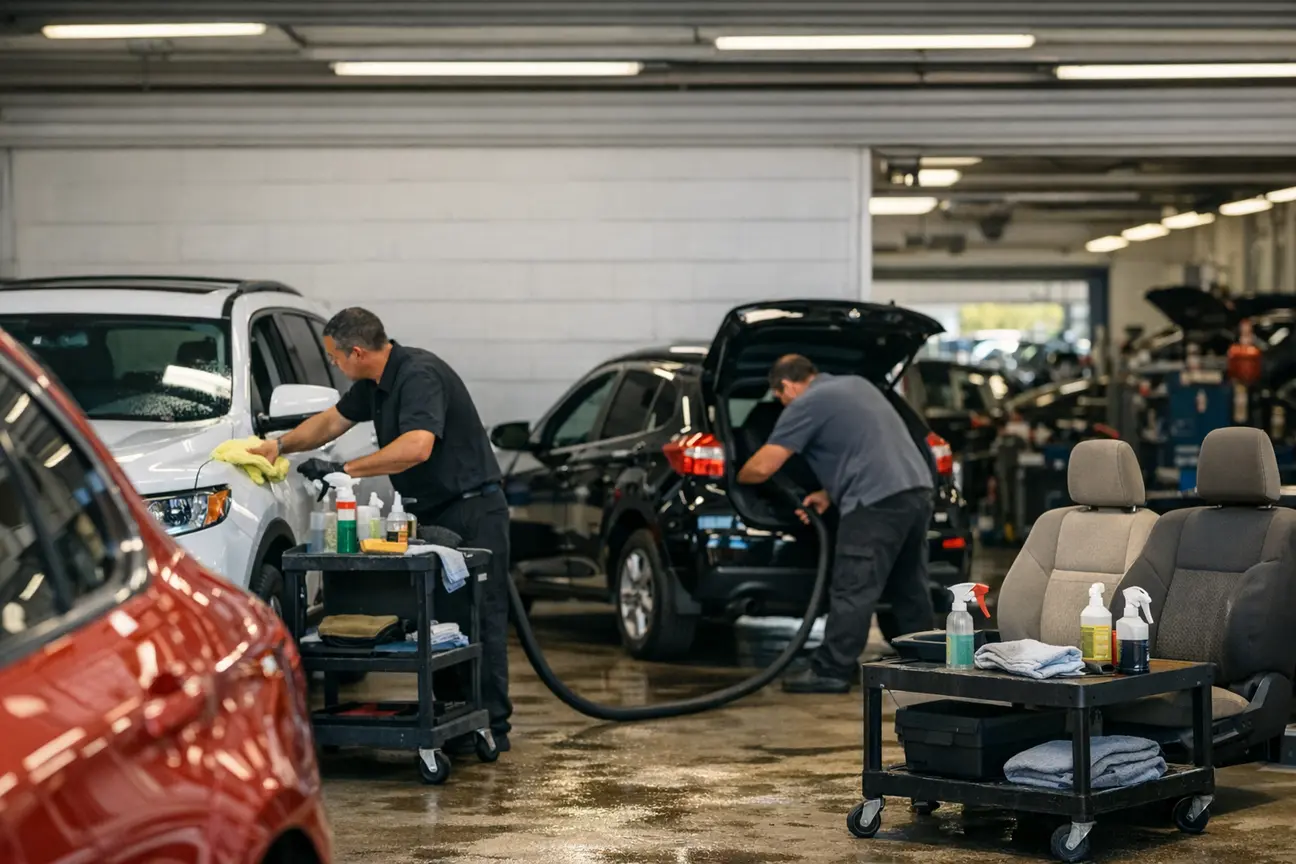
- Integration into existing prep work to preserve workflow continuity and limit added staffing.
- On-site application by dealership personnel to reduce vendor reliance, control scheduling/quality, and shorten turnaround times.
Scalability focus
The program is framed as workable for standalone rooftops and multi-store groups, with processes and support designed to replicate across locations with minimal friction.
What’s not specified
- Dealer pricing, revenue-sharing, margin targets, and contract terms.
- Warranty coverage details, required equipment, and average install times.
- Volume thresholds, bay/staffing requirements, geographic limits, and availability timelines.
- Independent performance data, pilot dealers, customer satisfaction results, or third-party validation.
- Defined success metrics (attach rates, per-vehicle revenue lift, retention, returns) or included marketing assets.
Considerations and questions for dealers
- Total cost to implement (materials, equipment, training) and payback period/ROI.
- Expected attach-rate benchmarks and per-vehicle gross targets by model segment.
- Warranty terms, claim administration, and liability for application errors.
- Training certification, re-certification cadence, and quality control standards.
- Impact on prep throughput, delivery timelines, and space/bay utilization.
- F&I compliance, menu integration, and alignment with existing products.
- Provided marketing assets (showroom, digital) and brand usage guidelines.
- Program term length, termination rights, exclusivity, and geographic availability.
- Data sharing, reporting cadence, and KPI tracking for continuous improvement.
Suggested next steps
Evaluate fit within prep, delivery, and F&I processes; request full program terms (pricing, margins, warranty, training scope, operational requirements); pilot in one store or bay with defined KPIs (attach rate, gross per vehicle, cycle time, CSI); and assess scalability to additional rooftops.