
Key points
- Xiaomi’s YU7 topped China’s January passenger-vehicle sales with 37,869 units, more than double Tesla’s Model Y at 16,845.
- YU7 ranked first across all passenger cars (including gasoline), while Model Y fell to 20th overall and seventh among new energy vehicles.
- Launched roughly six months ago, the YU7 undercuts the Model Y by 10,000 yuan at entry and, per Xiaomi, claims longer single-charge range (company claim).
- Monthly rankings remain volatile: Tesla led in December; over 2025, Tesla ranked fifth and Xiaomi 10th among NEV brands by sales.
- Broader context: EV growth in China has cooled, intensifying price and feature competition among domestic and foreign brands.
- Regulatory scrutiny is rising after incidents tied to Xiaomi’s SU7; Beijing banned hidden door handles and makers are adding external driver-assist indicators.
- Xiaomi plans to expand abroad, targeting Europe next year, testing its value-and-features playbook under stricter safety regimes.
January snapshot
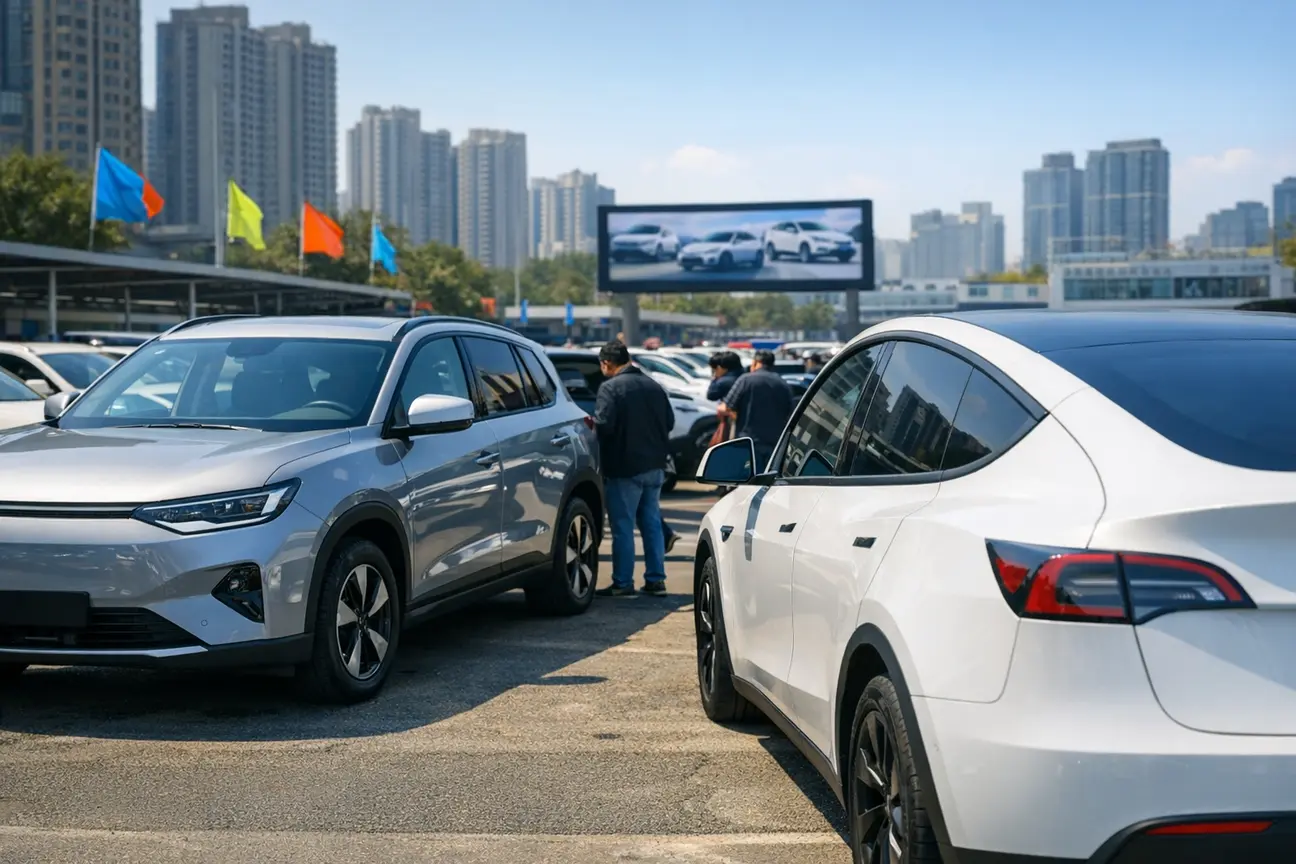
Xiaomi’s YU7 surged to the top of China’s auto market in January, selling 37,869 units and outpacing Tesla’s Model Y by more than two to one. The performance vaulted the YU7 to first place among all passenger vehicles, highlighting rapid momentum for Xiaomi’s young auto unit and the fluidity of monthly rankings in the world’s largest EV market.
Competitive dynamics
- Price and positioning: Xiaomi priced the YU7 about 10,000 yuan below a comparable Model Y, sharpening its value proposition in a fiercely contested family SUV segment.
- Features and claims: Xiaomi says the YU7 beats the Model Y on key specs like range (company claim), leaning on tech-forward features and tight integration with its digital ecosystem.
- Volatility: Model Y’s December lead flipped in January, underscoring how promotions, availability, and model refreshes can swing results month to month.
Market context
China’s EV growth has cooled after years of subsidy-fueled expansion, sharpening competition as domestic manufacturers accelerate development cycles and pack vehicles with features at aggressive prices. This environment pressures foreign brands to localize, partner, and iterate faster, while also challenging newcomers to sustain momentum beyond launch spikes.
Safety and regulation
Xiaomi’s market push coincides with heightened scrutiny following incidents involving its SU7 sedan. Regulators have banned hidden door handles and prompted automakers to add external signals when driver-assist is active, signaling a tighter safety posture likely to influence future designs and software updates across lineups.
Outlook
Analysts will watch the next few months for pattern confirmation, as single-month surges may not set lasting trends. For Tesla, the choice is between further pricing moves or leaning on brand and software to defend share. For Xiaomi, sustaining traction will depend on balancing output with demand, disciplined pricing, continued feature velocity, and addressing safety perceptions ahead of overseas expansion.