

Summary
Rising repair bills and ongoing parts shortages are heightening downtime risk for light commercial vehicle fleets, according to Warranty Solutions Group’s first Commercial Vehicle Market View Report. Based on 1,000+ claims paid across January–December 2025, the costliest failures centered on engines, turbochargers, diesel particulate filters (DPFs), and electronic control units (ECUs). The single highest claim reached £6,086 for a Mercedes Sprinter. Vehicles aged four to nine years were most prominent in high-value claims, reflecting exposure as warranties expire and fleets keep older vans in service longer.
Costliest failure areas
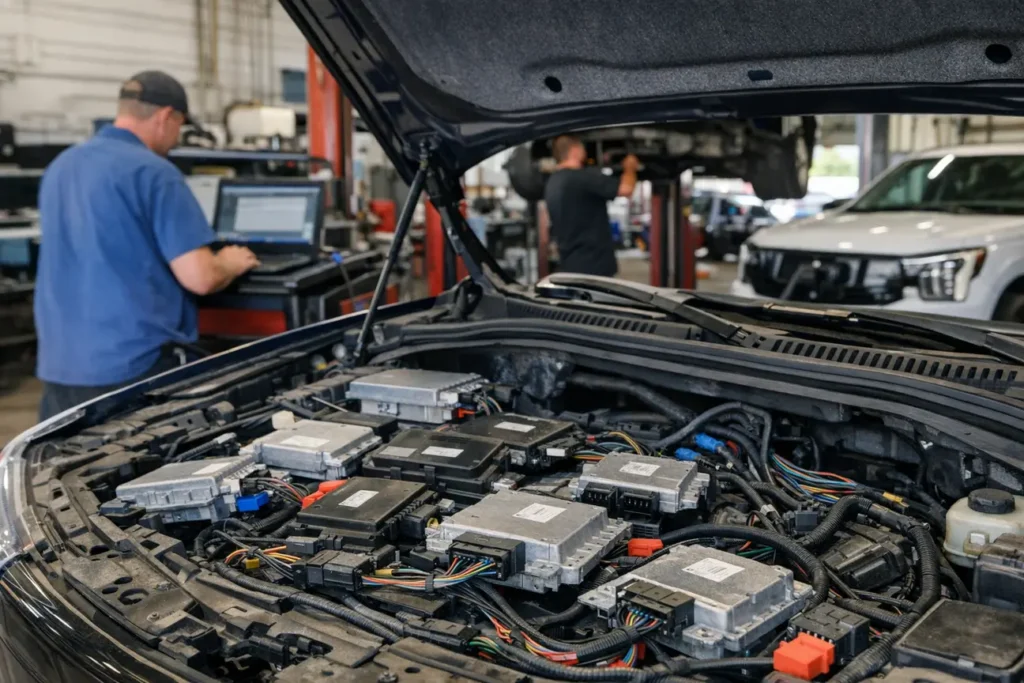
- Core powertrain and emissions components (engines, turbos, DPFs, ECUs) dominate the highest payouts.
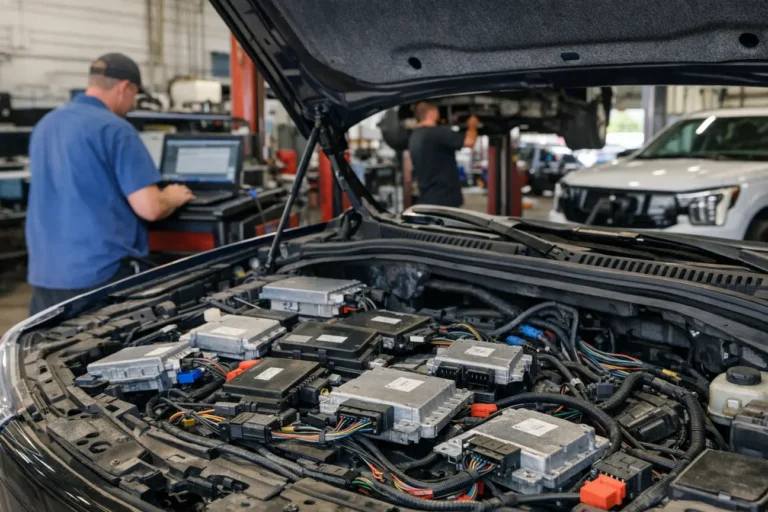
- Newer emissions tech and onboard electronics drive complex software/sensor faults and longer diagnostic times.
- Parts availability uncertainty extends time off road, compounding repair costs.
Most common faults and typical costs
- Diesel injectors and alternators: >8% of claims combined; average repairs of £622 and £543, respectively.
- Batteries: nearly 3% of claims.
- Emissions items (NOx sensors, AdBlue injectors, DPFs) frequently cited, often triggering limp modes or compliance issues.
Why 4–9-year vehicles are most exposed
As manufacturer warranties lapse, operators bear full repair costs just as emissions and electronics-heavy components accumulate mileage. WSG’s data points to a “double hit” of higher-cost failures and slower repairs due to supply constraints in this age band.
Operational implications
- Downtime is the primary constraint: Every hour off road harms productivity and profitability.
- Specialist skills, up-to-date diagnostic software, and compliant procedures are increasingly essential.
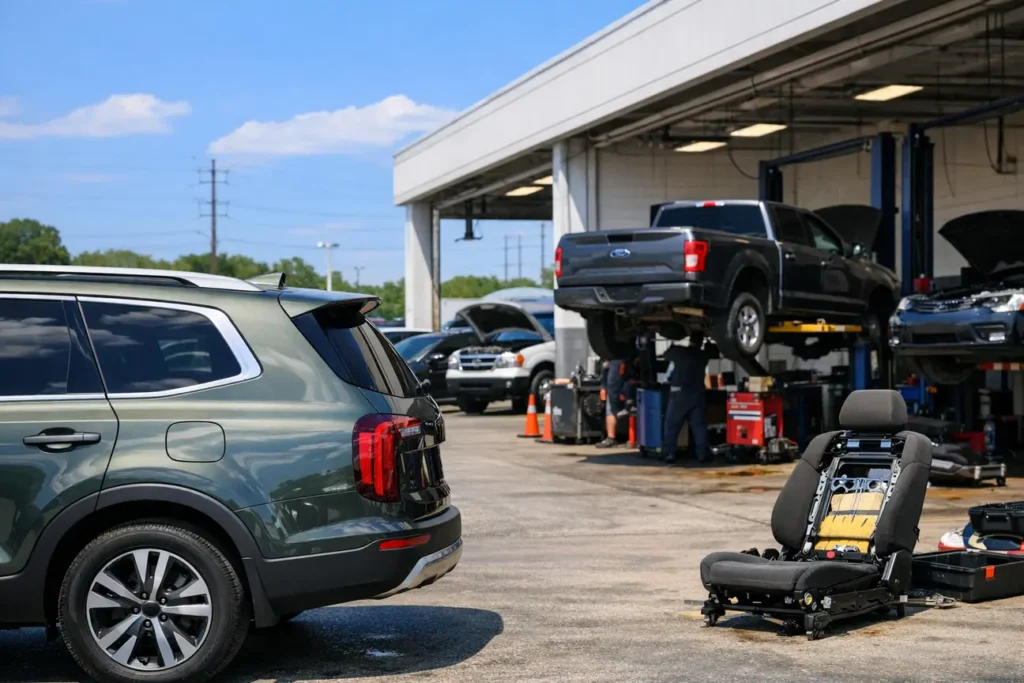
- Workshop capacity and parts shortages can turn routine fixes into schedule-disrupting delays.
Actions for fleet managers
- Budget for elevated repair costs and longer lead times; time maintenance around parts availability.
- Strengthen diagnostic capability and ensure access to specialist workshops and tooling.
- Stock quick-turn items (injectors, alternators, batteries) and plan preventive checks for known-failure components.
- Monitor emissions systems proactively to avoid compliance-related downtime.
- Consider extended warranties or service contracts as vehicles enter the 4–9-year window.
- Build multi-supplier parts strategies and SLAs to mitigate shortages.
Scope and timing
WSG analyzed 1,000+ LCV claims paid through December 2025 and published its snapshot at the start of 2026. The report highlights components behind the largest payouts and frequent faults across multiple brands without ranking overall reliability. WSG expects the interplay of costs, supply constraints, and regulatory demands to continue testing fleets in 2026.