
Summary
A longtime automotive commentator urges GM and Ford to revisit deep parts consolidation and powertrain spinoffs to cut costs and address an affordability crunch that he says is pushing households out of the new-vehicle market.
What’s being proposed
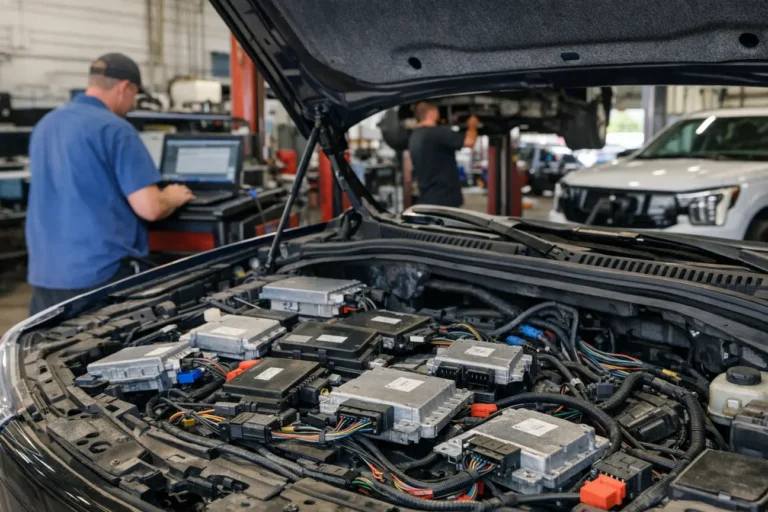
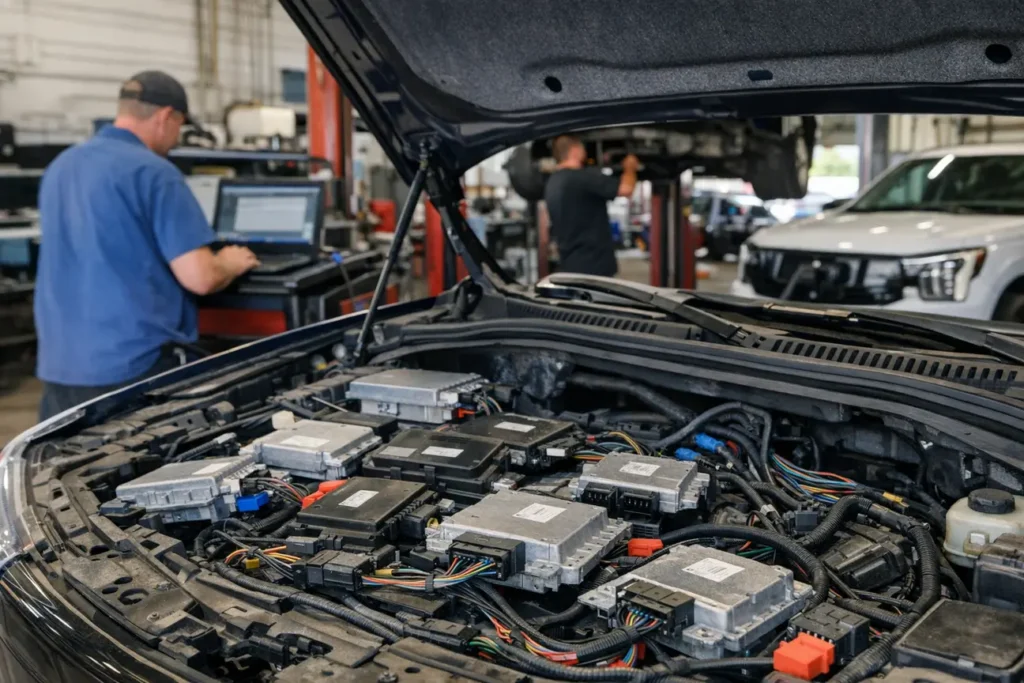
- Increase standardization of “commodity” parts (e.g., wiper motors, hinges, tire-pressure sensors) across brands and models.
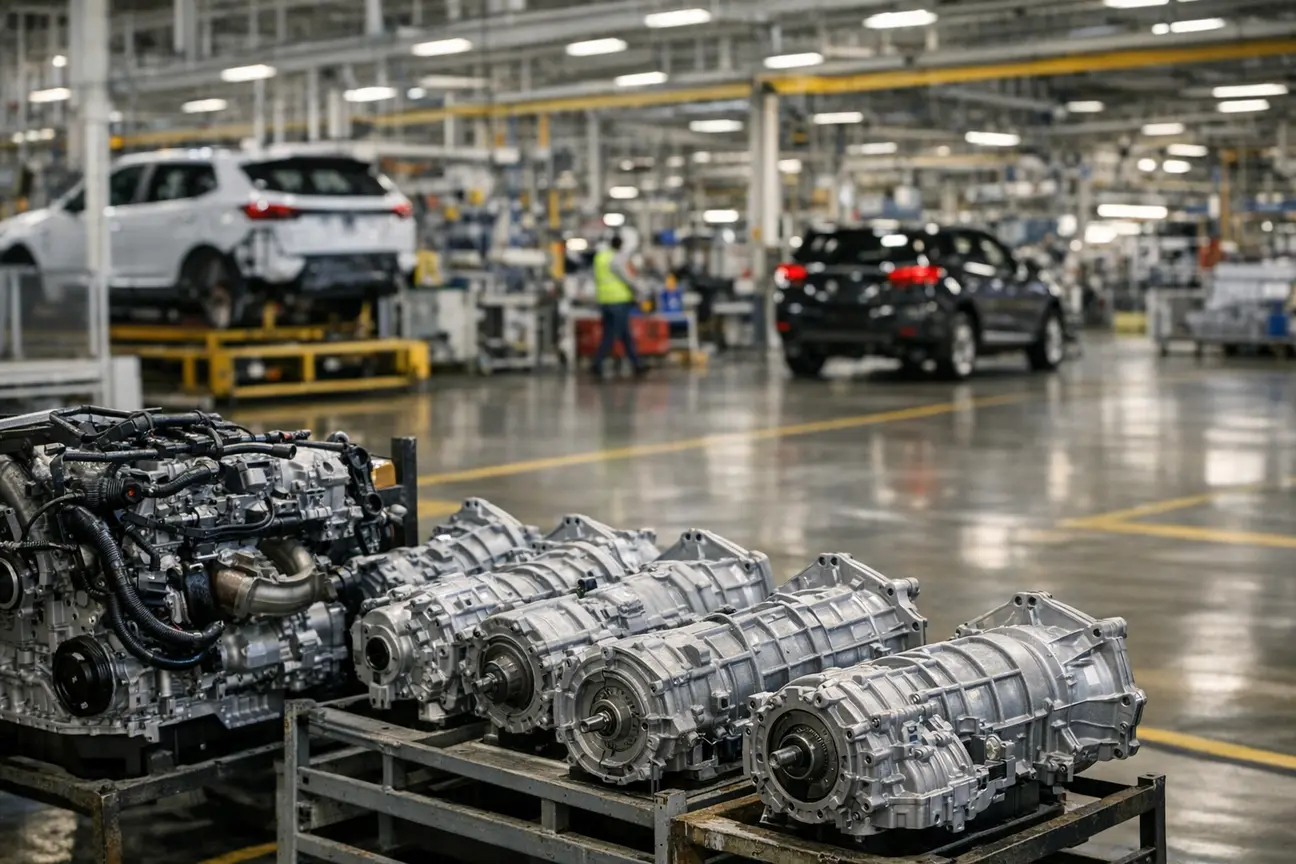
- Spin off internal-combustion engine and transmission operations into standalone or joint ventures supplying multiple automakers.
Rationale and expected benefits (as stated by the column)
- Reduce operational and capital expenses by “billions of dollars a year” through shared development and scale (claim).
- Use off-the-shelf components to shorten development cycles and speed launches (claim).
- Reallocate investment toward design, user experience, and visible features; most buyers purportedly pay little attention to what’s under the hood and transmissions rarely influence sales (claim).
Precedents and examples cited
- Sergio Marchionne’s 2015 “Confessions of a Capital Junkie” argued Detroit should stop duplicating near-identical engine/transmission programs.
- Renault’s carve-out of its ICE and transmission business into Horse, joined by Geely (which brought Volvo’s powertrains). According to the column, Horse supplies Mercedes, Nissan, and Mitsubishi and is producing about 8 million engines annually, enabling lower unit costs via scale (claims).
Obstacles and risks
- Cultural resistance to outsourcing core mechanicals; concerns from “purists” about brand dilution.
- Potential pushback from organized labor and anxiety among engineers about career paths in spinoff structures.
- Execution complexity in untangling plants, tooling, and organizations.
Market backdrop and urgency (per the column)
- U.S. new-vehicle sales have stagnated for nearly a decade despite population growth; the column says more vehicles were sold in 2000 than in 2024.
- If the 2000 purchase rate had held in 2024, the industry would have sold ~21 million vehicles instead of ~16 million—an opportunity gap of ~5 million units (claim).
Implications for strategy
- Consolidation could complement existing platform/parts commonality efforts by going deeper into powertrains and widely shared components.
- Open questions remain about how such moves intersect with ongoing EV strategies and software/electronics standardization.
Bottom line
The column contends that broader parts standardization and powertrain spinoffs could restore scale, cut costs, and improve affordability, citing Horse as a working model. Significant cultural and labor hurdles remain, but the author frames the current market as a window to act (claims).