
Overview
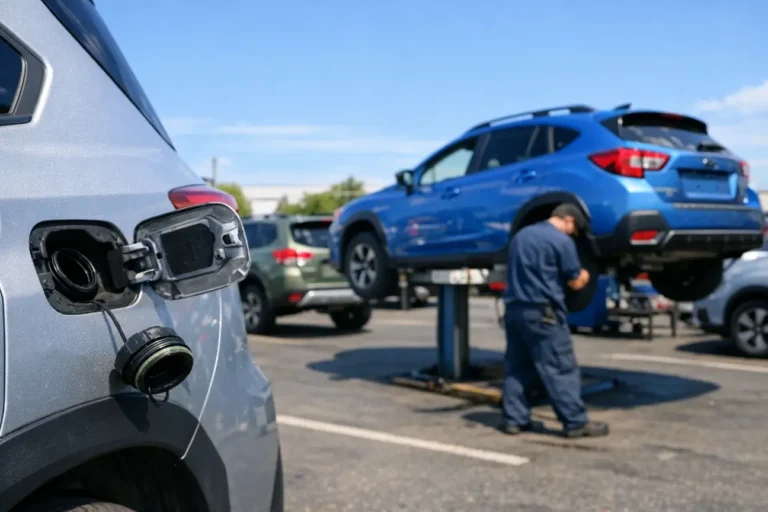
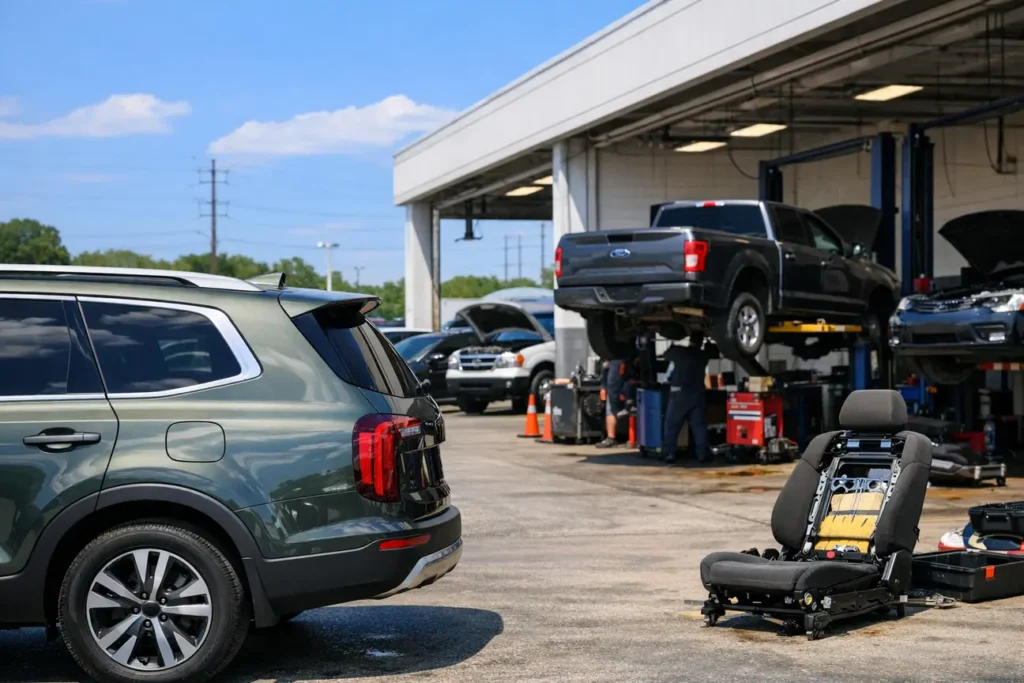
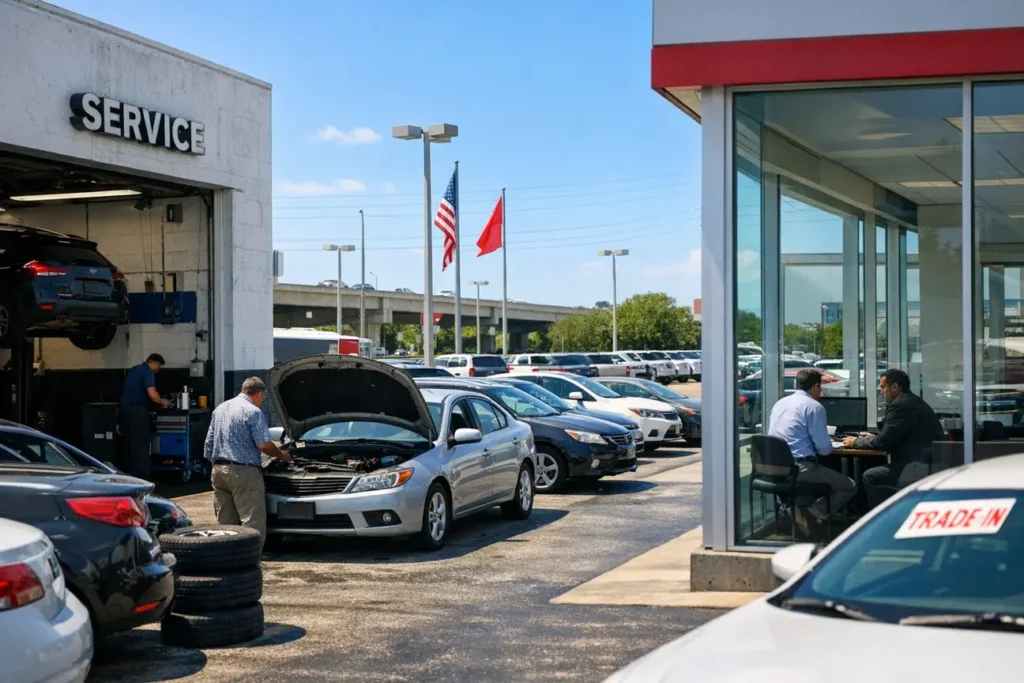
Pohanka Automotive Group runs its service departments with no appointments across all 23 stores, relying on walk-ins and on-demand capacity. Leaders say the approach boosts repair-order productivity, flexibility and transparency by emphasizing what happens “when the car hits the lane.”
How the walk-in model works
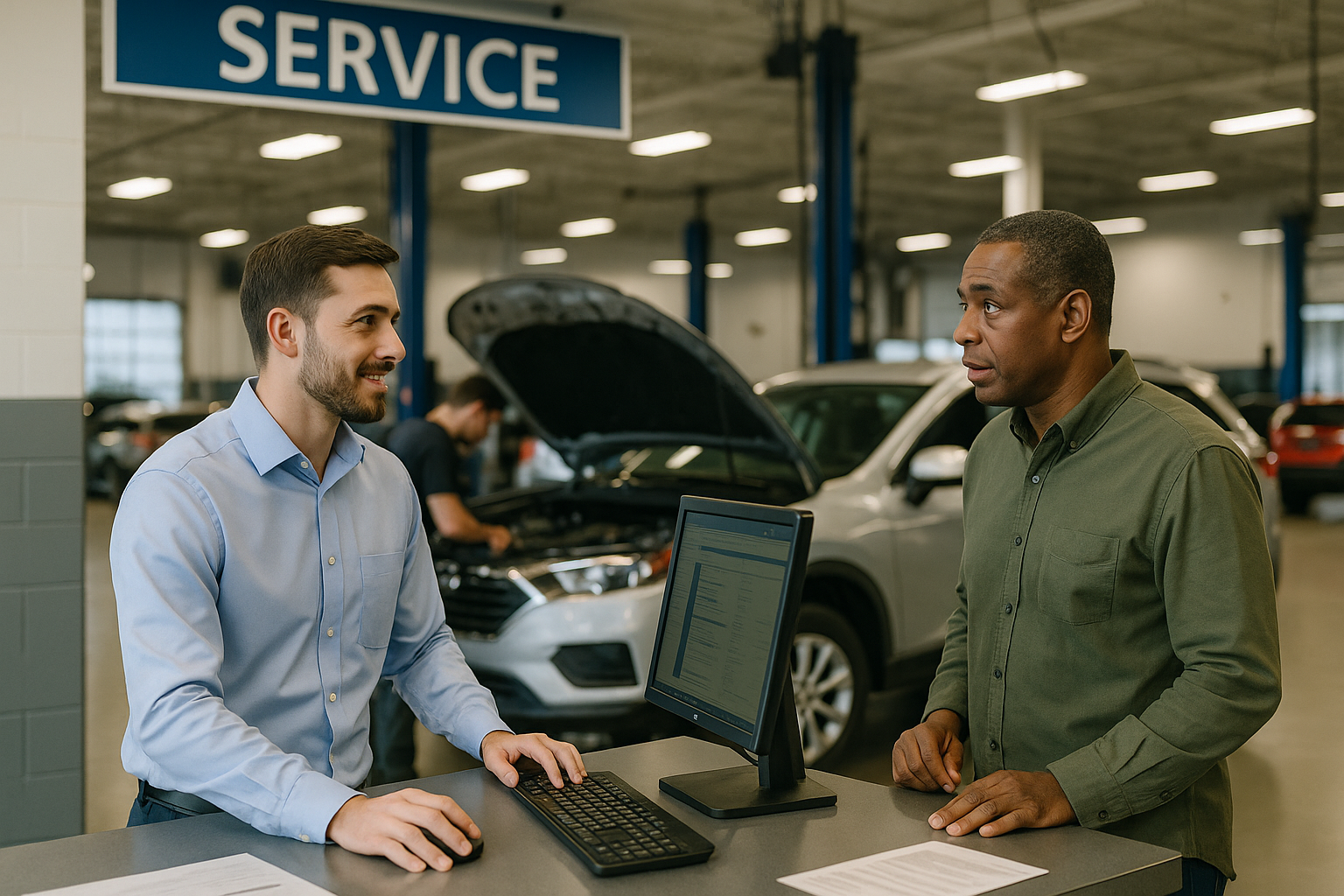
- Expectation-setting on arrival: Advisors immediately explain current workload, capacity and options so customers know whether to wait, leave the car or choose transportation alternatives.
- Transportation options: Loaner fleets plus Uber/Lyft/shuttle agreements keep customers moving when same-day work isn’t feasible.
- Intake discipline: If the shop is slammed, advisors say so and present choices; if it’s light, they set quicker-turn expectations. The emphasis is on transparency and control.
- Availability pledge (claimed): The group says it doesn’t turn customers away, relying on transportation and a structured front-end process to absorb variability.
Changes behind the scenes
- Advisor training and pay: Sales-style language and structure were applied to fixed ops. Advisors are treated like salespeople, not tellers, with F&I-like compensation tied to clear objectives on each repair order.
- Standardized presentations: Core product categories must be discussed on every RO to lift throughput and consistency.
Technology and accountability
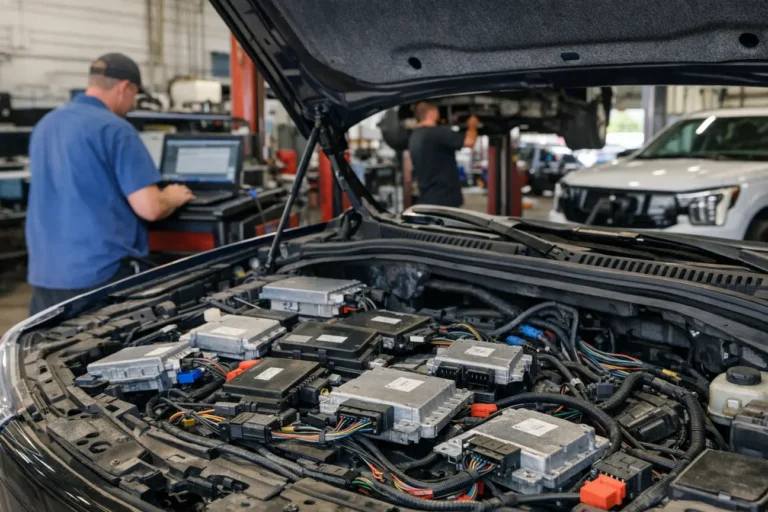
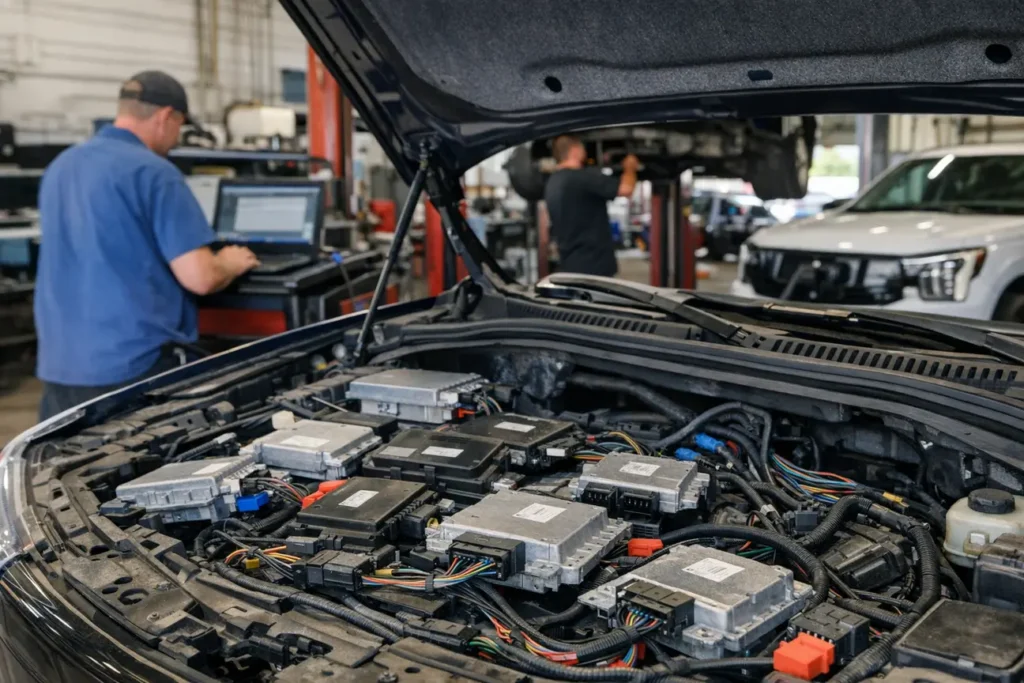
- Video MPIs via Xtime: Customers see what technicians see, speeding trust and approvals. The group reports a 94% video completion rate and links the format to higher approval rates (claimed).
- Mandatory adoption: Video is standard operating procedure across lanes; participation is expected from technicians and advisors.
Reported outcomes
- Higher production: The group cites “huge increases” after aligning training, pay and process.
- More hours per RO: A reported 0.4% year-over-year increase is attributed in part to video inspections (claimed).
- Smoother operations without appointments: Less friction from no-shows and fewer timeline debates versus appointment-driven systems.
Why it matters
Dealers are seeking steadier fixed ops revenue amid shifting inventory cycles. Pohanka’s model reduces variables the store can control—intake, communication, transportation and proof of need—so it can handle variable customer arrivals without relying on a tightly managed appointment book.
What’s next
The group is exploring AI to standardize explanations of complex repairs, pairing video evidence with consistent, plain-language descriptions so customers receive the same clarity at any store.
Key steps to enable a no-appointment service lane
- Invest in customer transportation (loaners, rideshare, shuttles).
- Standardize the first-minute intake conversation and expectation-setting.
- Train advisors on sales-style presentations and align pay to RO objectives.
- Deploy and mandate video MPIs to build trust and speed approvals.
Bottom line: The first minutes on the service lane—clear communication, options, and visual proof—determine whether a no-appointment day runs smoothly while maintaining customer convenience and productivity.