
Key takeaways
- Volkswagen’s Cupra Tavascan secured a first-of-its-kind EU exemption from extra China-made EV tariffs in exchange for a minimum price, a sales quota, and EU investment commitments.
- The deal creates a model-by-model exemption pathway, prompting Chinese automakers to explore similar applications.
- The EU is shifting from blanket levies toward negotiated price undertakings to ensure price comparability with European-made cars.
- Approvals are expected to be slow and case-specific, with confidentiality around exact prices and quotas.
What changed
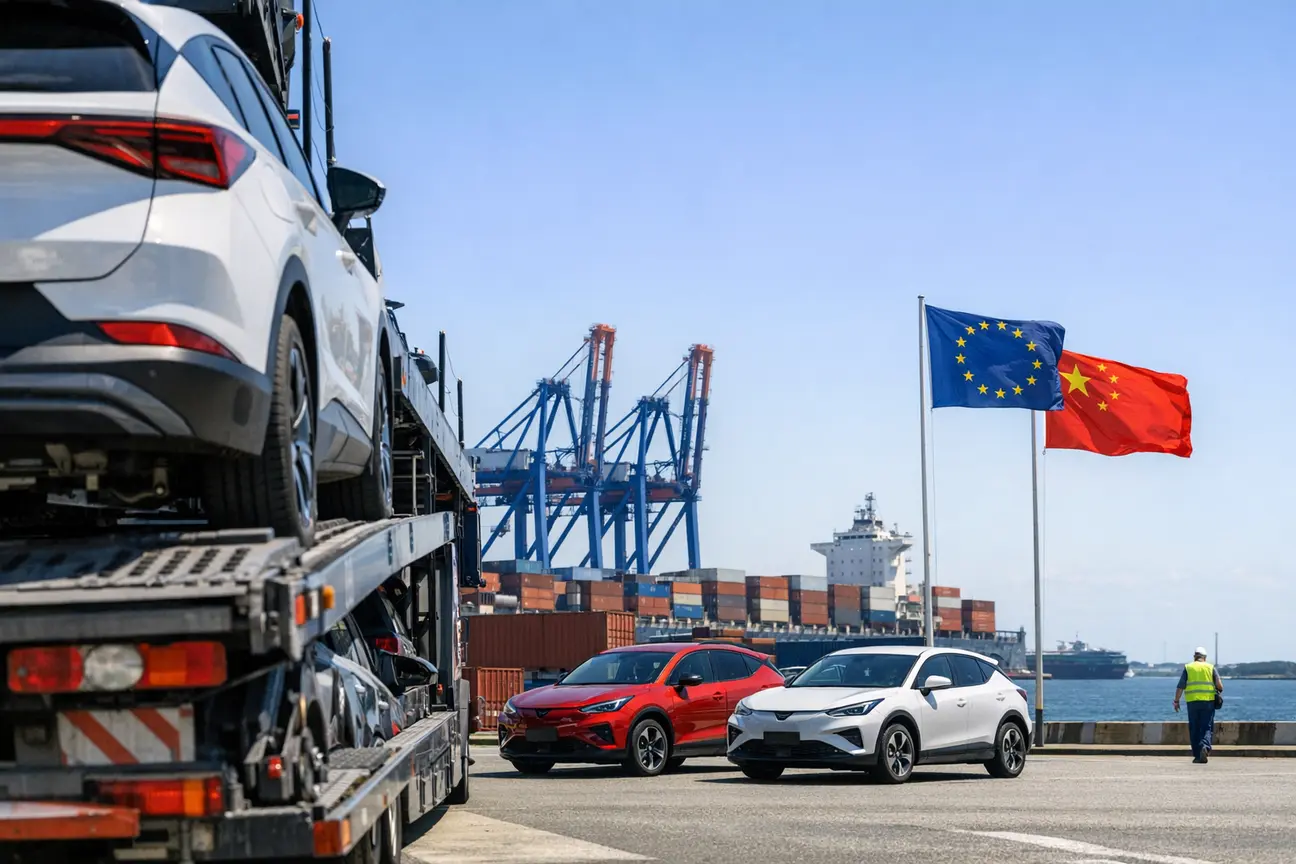
The European Commission approved Cupra’s request to replace additional anti-subsidy duties on the China-built Tavascan with commitments on pricing, volumes, and investment. This marks the first exemption since the EU’s 2024 tariff regime on Chinese-produced EVs and sets a procedural template for others.
Why it matters
- Opens a controlled channel for China-made EVs to enter Europe without full punitive tariffs.
- Supports European brands that source EVs from China while tightening scrutiny of purely Chinese brands’ EU pricing.
- Gives Brussels tools to calibrate market access while addressing concerns about subsidized undercutting.
How the exemption works (as described)
- Model-specific: exemptions negotiated per vehicle model, not per company or sector.
- Price floor: commitment to sell at or above an agreed minimum price.
- Quota: a sales volume cap tied to the arrangement.
- Investment link: consideration of EV-related projects inside the EU when assessing applications.
- Confidential terms: exact prices, quotas, and commitments were not disclosed.
Context and market dynamics
- Before the deal, the Tavascan faced an extra 20.7% anti-subsidy duty on top of the 10% car import tariff, pressuring Cupra’s profitability.
- Chinese automakers, hit by a prolonged price war and excess capacity at home, are prioritizing exports as the U.S. and India markets remain largely closed to them.
- Early tariff impacts were muted as Chinese brands accepted thinner margins and emphasized non-EV models (not covered by EU measures).
- EU duties on China-made EVs can reach up to 35.3% under the current framework; trade tensions with Beijing are escalating.
Implications for stakeholders
- Chinese automakers: New access route, but with administrative burdens, transparency requirements, and sales constraints; calculus vs. paying full tariffs.
- European brands producing in China: Potential relief via undertakings that preserve EU market viability for select models.
- EU policymakers: Greater leverage to manage entry volumes and price comparability while encouraging local investment.
- Production strategy: VW may consider shifting future Tavascan production to Europe, which could remove it from China-related duties.
- Other exposed brands: For example, BMW’s China JV building the electric Mini faces a 21.3% duty absent similar undertakings.
What to watch next
- Wave of model-by-model applications from Chinese manufacturers and joint ventures.
- Approval timelines and consistency of the Commission’s case-by-case reviews.
- Stringency of price floors and the scale of quotas across different vehicle segments.
- Whether EU investment commitments become a de facto requirement for exemptions.
- Potential production relocations to Europe to bypass China-origin duties.
- Trade responses from China, including sector-specific probes, as tensions evolve.
Source: Source