
Summary
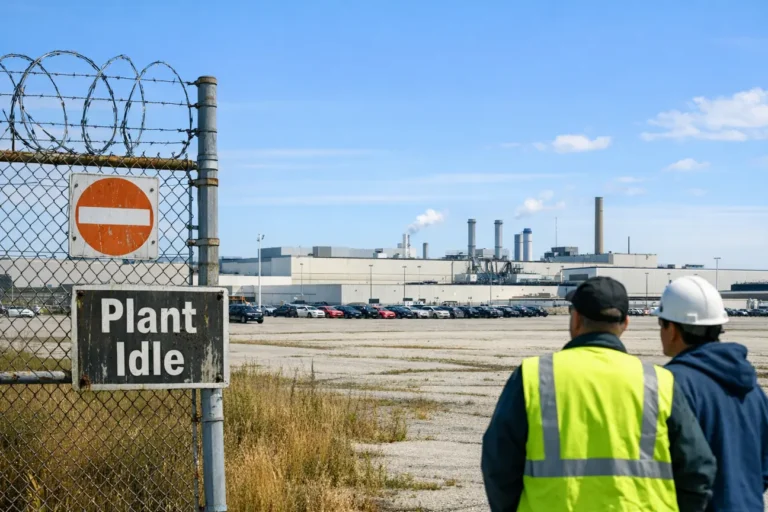
U.K. vehicle manufacturing fell 15.5% in 2025 to 764,715 units as a monthlong cyberattack on Jaguar Land Rover (JLR) and a new U.S. 25% import tariff disrupted output and exports. While overall volumes declined, production of electrified cars grew, setting the stage for a potential rebound in 2026.
By the numbers
- Total vehicles: 764,715
- Passenger cars: 717,371 (down 8% year over year)
- Commercial vehicles: 47,344 (down 62.3% year over year)
- Electrified cars (BEV/PHEV/HEV): 298,813 (up 8.3%)
- U.S. share of U.K. auto exports: 15% (second-largest destination)
What drove the decline
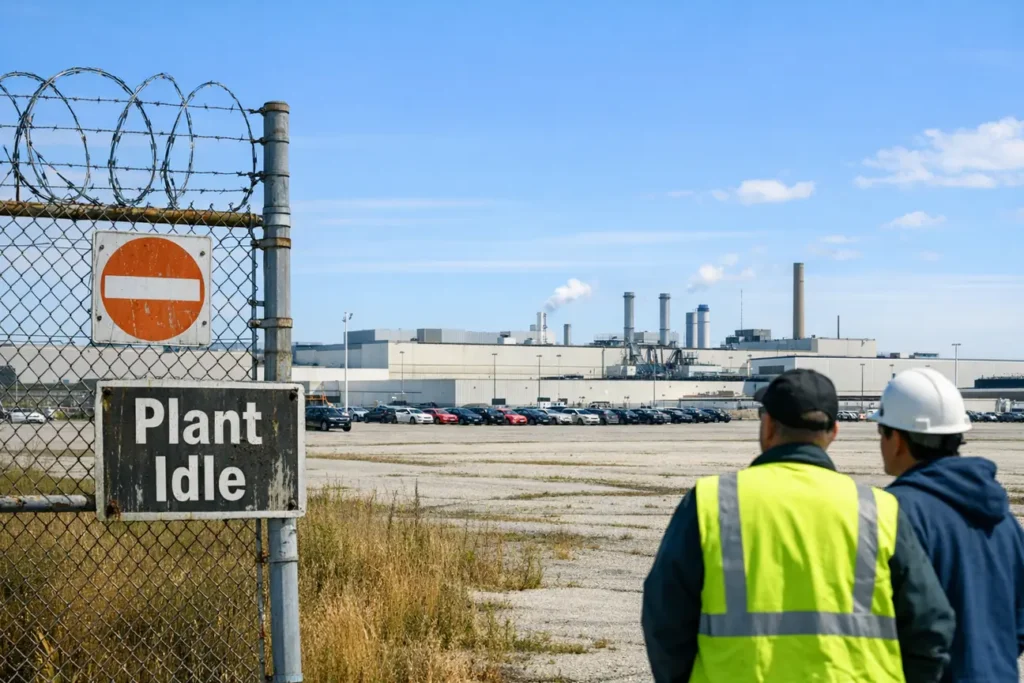
- Cyberattack on JLR: Forced more than a month of global production shutdown at the U.K.’s largest automotive employer, rippling through suppliers and depressing late-year sales.
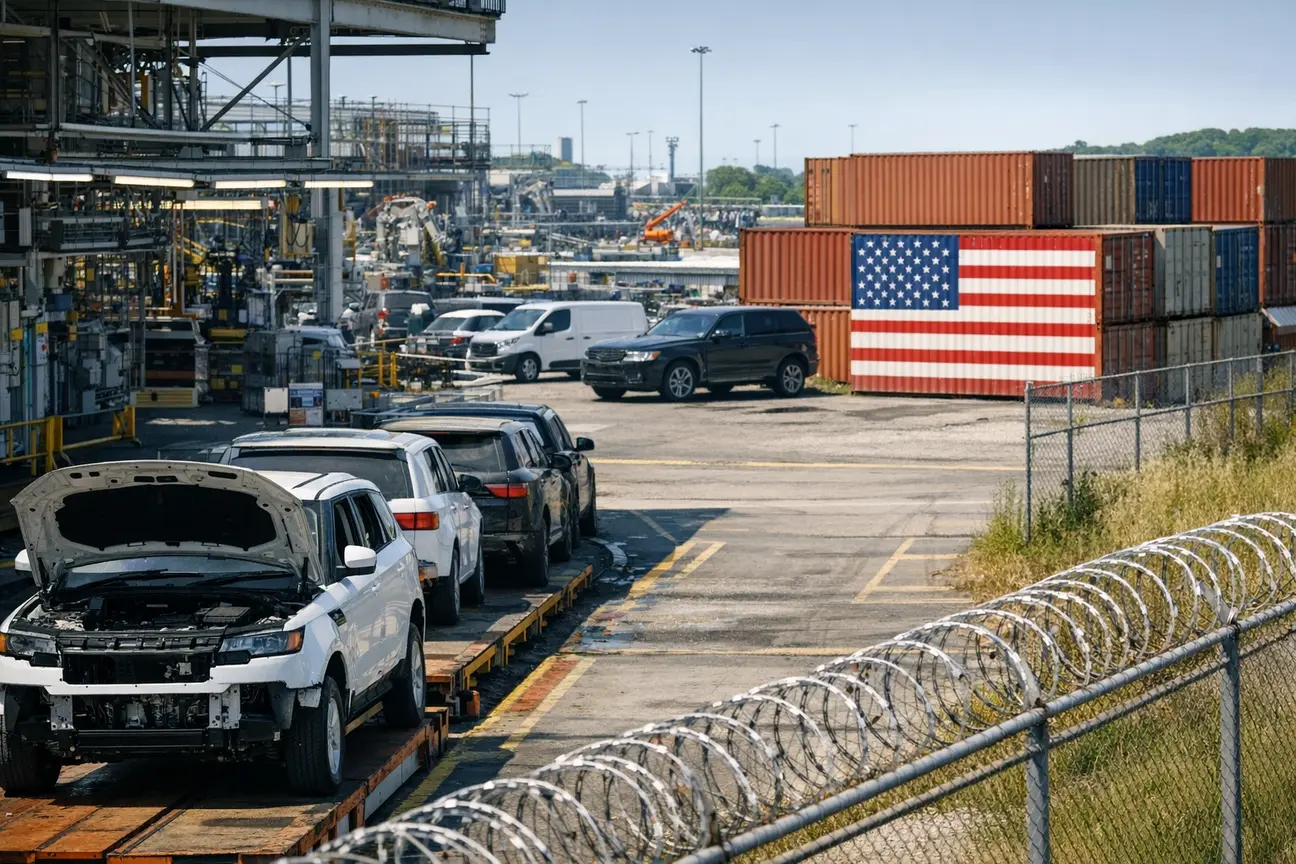
- U.S. tariffs: A new 25% levy on imported vehicles (introduced by the Trump administration) led JLR to pause U.S. shipments, adding costs and uncertainty to a key export market.
- Export exposure: With the U.S. taking 15% of exports, British makers were vulnerable; some production was curtailed rather than rerouted.
- Model changeovers: Planned wind-downs of legacy models, especially at JLR, magnified downtime and constrained build schedules.
JLR impact and recovery
JLR reported fiscal Q2 wholesale volumes of 66,165 (down 24.2% year over year) and retail sales of 85,495 (down 17.1%), reflecting the cyber incident and planned phaseouts ahead of a new Type 00 battery-electric luxury sedan. The company said production has returned to normal and it will adjust allocations by market as conditions evolve.
Segment dynamics
Passenger car output fell 8%, while commercial vehicle production plunged 62.3%, highlighting the smaller van and truck segment’s sensitivity to disruptions among major producers and their suppliers.
Electrified momentum
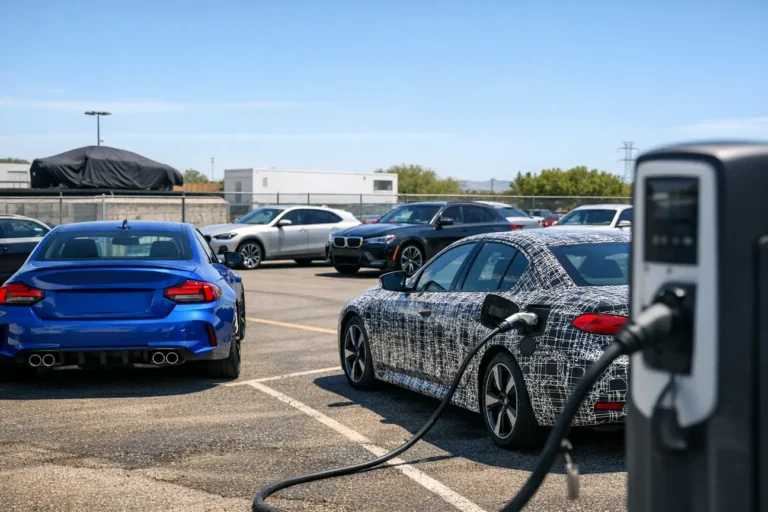
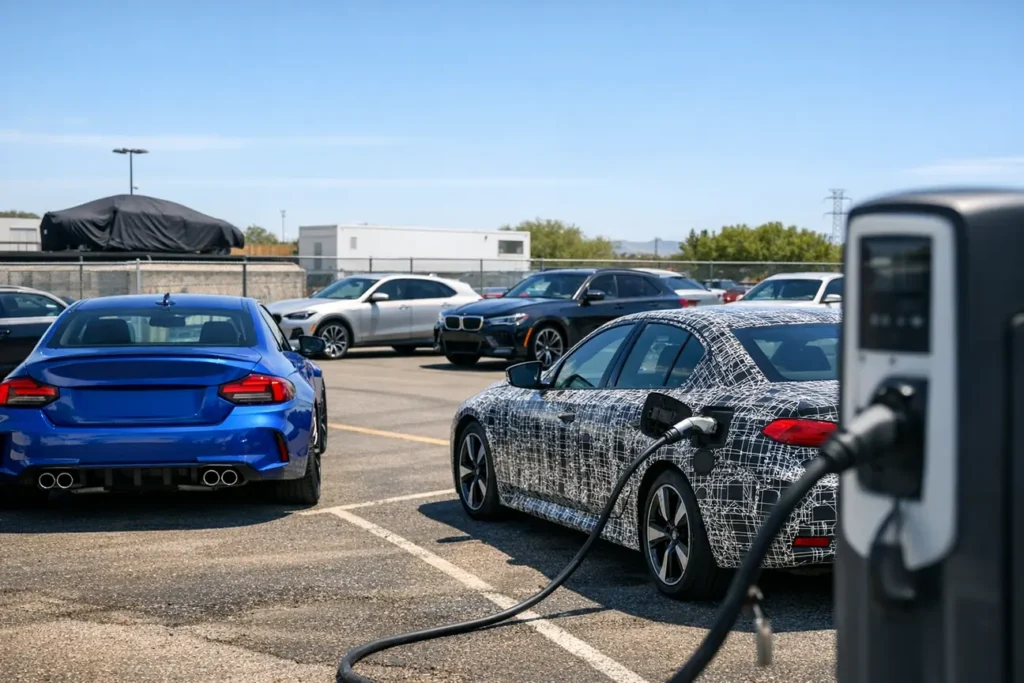
- Combined BEV/PHEV/HEV car output rose 8.3% to 298,813.
- Nissan’s Sunderland plant began next-generation, high-volume electric car manufacturing.
- Seven additional battery-electric models are slated to launch into the U.K. market.
Outlook and policy priorities
SMMT Chief Executive Mike Hawes called 2025 the “toughest year in a generation.” He said sustained growth hinges on creating competitive conditions for investment: lower energy costs, avoiding new trade barriers, and supporting a healthy domestic market. SMMT expects growth in 2026 as new EV capacity ramps and model launches proceed, though outcomes will depend on trade policy stability and plant ramp-up speed.