

Overview
U.S. auto dealers are converting safety recalls into a steady stream of service revenue as retail margins tighten. With an estimated 60 million vehicles carrying unresolved recalls (a reported 16% increase in recent years) and lingering backlogs such as airbag campaigns where roughly 22% remain unfixed, stores are using proactive outreach and mobile operations to pull lapsed owners back into the service lane.
What dealers are doing
- Data-driven recall mining: Dealers are flagging unrepaired recalls inside their own customer databases and directly contacting owners by text, email, or phone. One store uses an AI platform (BizzyCar) to run nightly scans, identify vehicles with open recalls, and surface “dormant” customers who haven’t visited in 497, 900, or 1,000+ days—reporting a 15% fixed-ops revenue lift from 2024 to 2025.
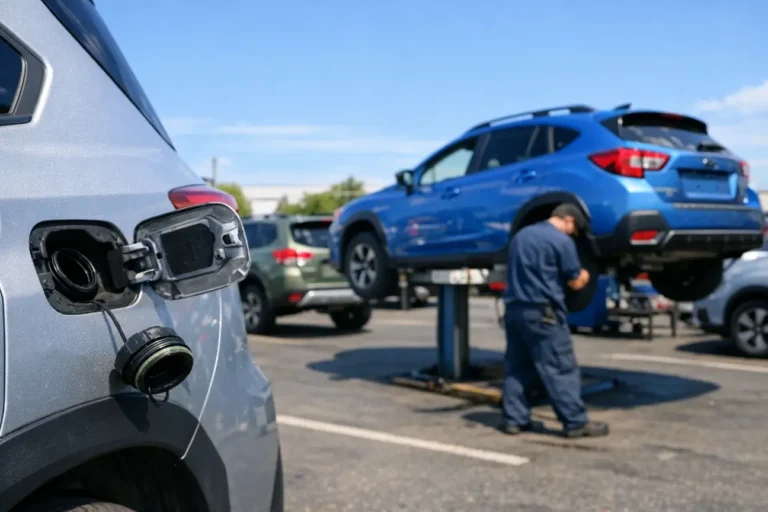
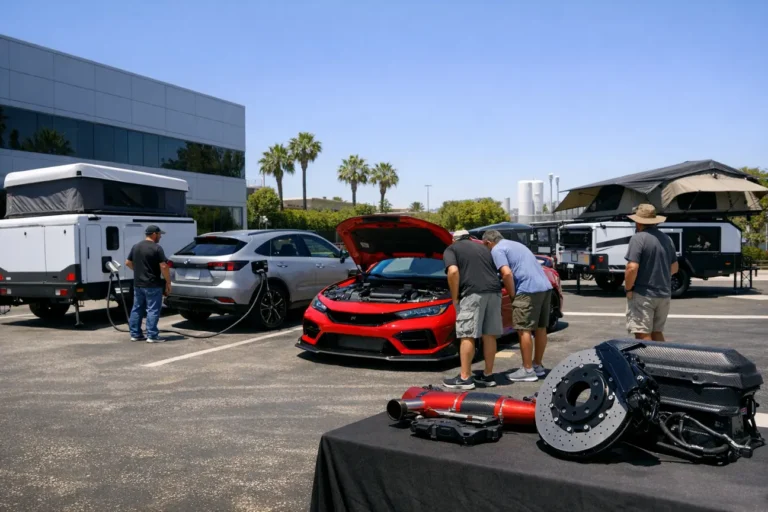
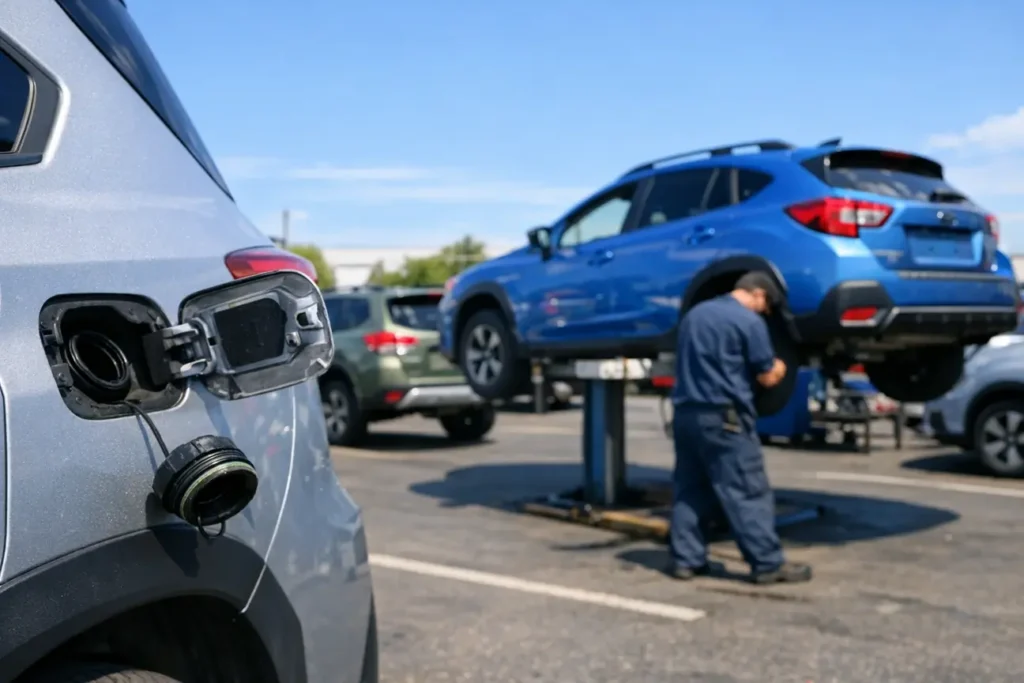
- Mobile service at scale: Shops are expanding mobile units to complete simple recall fixes without clogging bays, with strong results among commercial fleets (rental and auction partners) where work can be done in bulk.
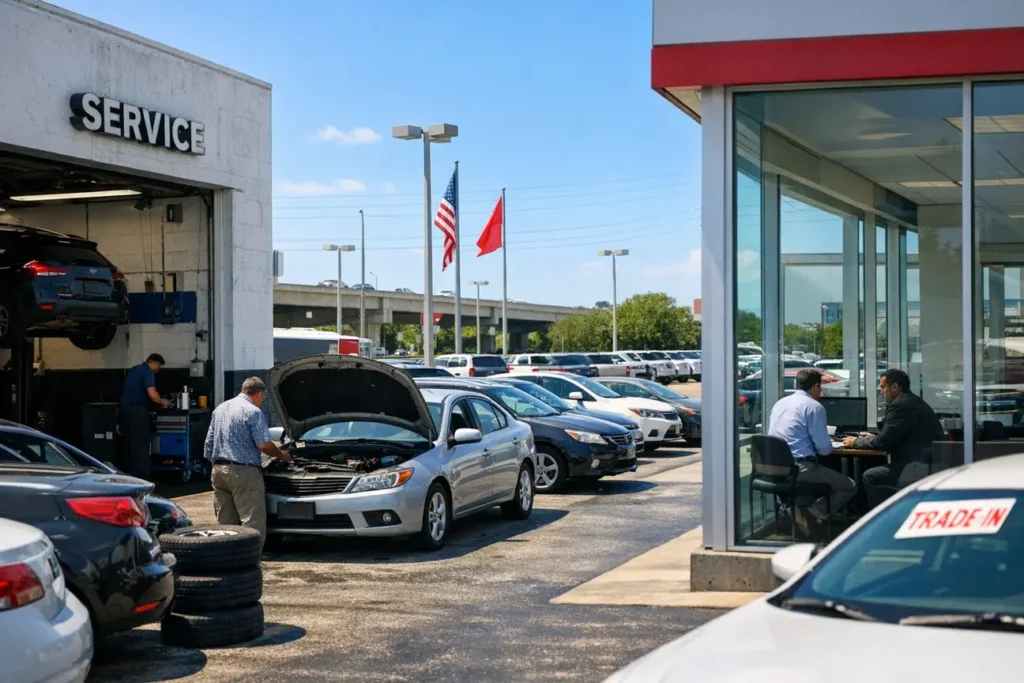
- Turn recall visits into broader opportunities: Advisors perform quick inspections, discuss maintenance needs, and gauge equity for potential trade-ins. CDK Global data cited indicates 40% of recall customers purchase additional services during the same appointment.
- Service-lane triage: Teams assess whether work can be completed immediately, requires drop-off, or needs scheduling to capture more work and reduce leakage.
Why it matters
Fixed operations remain a critical profit center as sales margins compress. Recalls offer a low-cost reacquisition channel because manufacturers must notify owners and pay for repairs. Dealers see recalls as a structured way to reconnect owners post-warranty—important given that less than 31% of customers continue servicing with brand dealers after warranty, and that “two-thirds” reportedly favor independents due to convenience.
Operational realities
- Awareness gaps: Many automakers still rely on physical mail, so owners may not realize they have open recalls. Dealers are filling the gap with direct, multichannel outreach while NHTSA and OEMs push toward digital notifications.
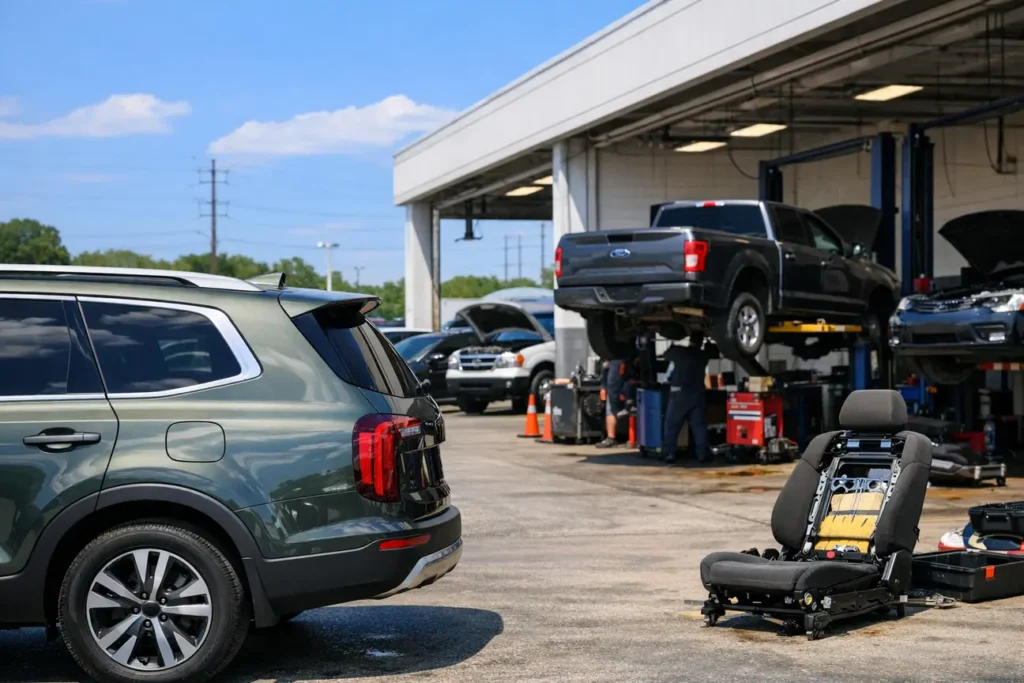
- Capacity balancing: High-volume, repetitive recall work is shifted to mobile units to preserve shop bays for complex and customer-pay repairs.
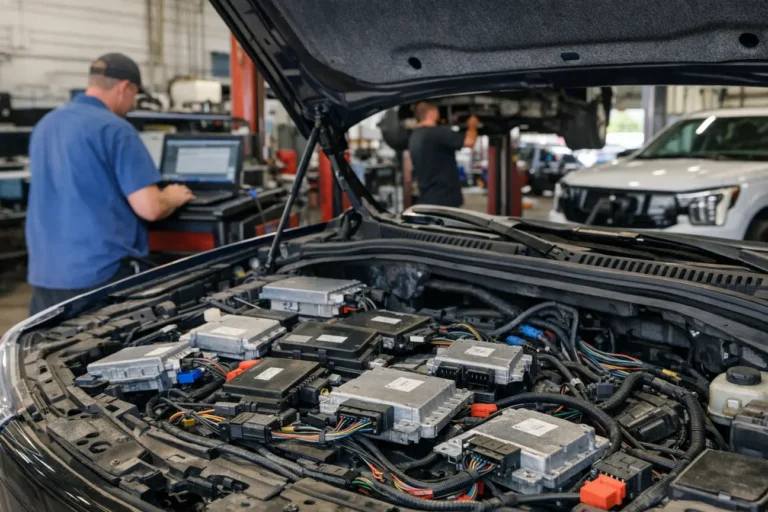
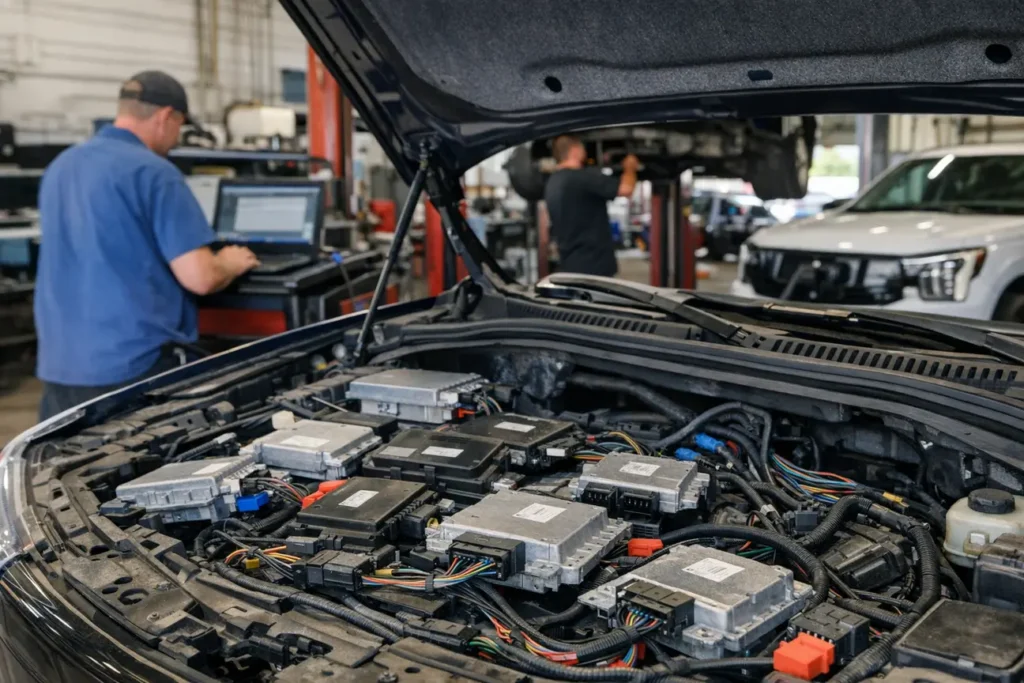
- Parts and labor constraints: Elevated recall volumes can strain components and technician availability. Stores with recall coordinators or scheduling software that aligns parts to appointments manage flow more effectively.
Examples from the field
- A Florida CDJR store leverages nightly database scrubs and targeted outreach to bring back long-dormant customers and boost fixed-ops revenue.
- Mobile units focus on commercial fleets for batch recall jobs, freeing main-facility capacity and building referrals via on-site presence.
- At a large Ford-Lincoln operation, a field team of 165 technicians and 37 advisors serves about 2,000 customers monthly through mobile service—using recalls to reintroduce the dealership to lapsed owners.
Outlook
Recall volumes are likely to stay elevated as vehicles grow more complex and OEMs revisit prior issues. As digital notifications become standard, dealers will still need to differentiate on convenience and follow-through—streamlined scheduling, reliable parts availability, and technician deployment—to keep both the work and the customer in-house.