
Overview
Toyota retained the top spot in global auto sales in 2025, helped by strong U.S. demand for hybrids that offset the impact of U.S. tariffs. A high share of North American production and cost controls allowed Toyota to limit price increases and maintain volume.
Key numbers
-
Global sales: 10.5 million vehicles (+3.7% for Toyota and Lexus brands).
-
U.S. deliveries (Toyota + Lexus): 2.93 million (+7.3%).
-
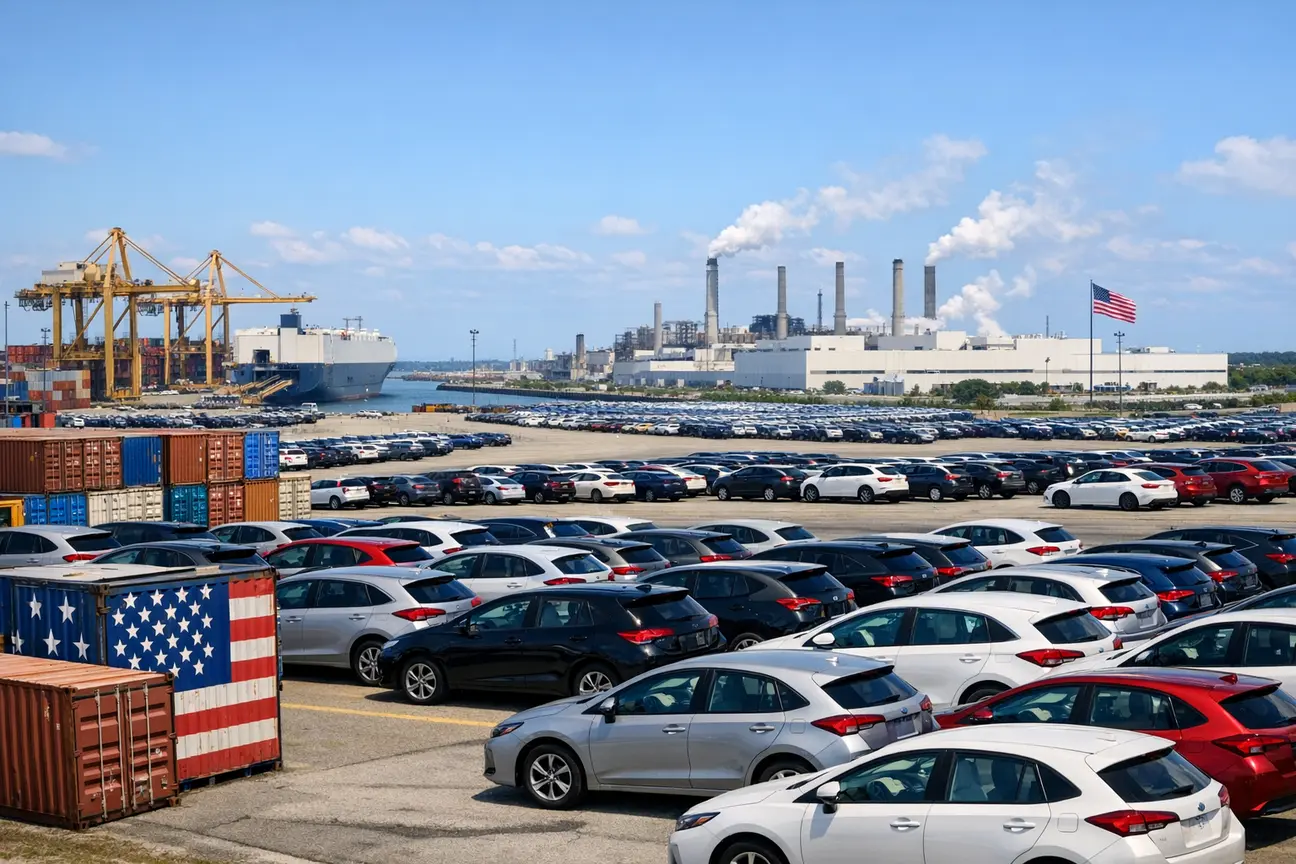
Import exposure in the U.S.: about 20% of 2025 sales.
-
Estimated FY tariff cost through March 2026: ¥1.45 trillion (~$9.7 billion).
-
Global rivals: Volkswagen Group 9.0 million; Hyundai Motor Group 7.27 million.
What drove the performance
Hybrid models such as the Prius and RAV4 led U.S. gains, appealing to buyers seeking better fuel economy without charging requirements. Toyota’s U.S. manufacturing footprint, increasingly focused on hybrids, reduced exposure to import duties and supply disruptions.
Tariffs and Toyota’s strategy
-
Tariff trajectory: U.S. levies on Japanese auto imports started at 25%, later eased to 15%.
-
Toyota absorbed significant tariff costs, prioritized domestic production, tightened expenses, and avoided broad price hikes.
-
Despite higher costs, Toyota raised its full-year operating profit outlook, citing cost reductions and firm demand outside the U.S.
Competitive context
Hyundai’s 2025 results show the other side of tariff exposure. While global revenue grew more than 6%, operating profit fell 19.5% as U.S. tariffs (costing ₩4.1 trillion) pressured margins. About 40% of Hyundai’s U.S. sales were domestically produced in 2025; it targets >80% by 2030 (including Georgia facilities). Hyundai shares fell nearly 5% after a warning that tariffs could be restored to 25% from 15% if a trade deal’s implementation lags.
Investor reaction and outlook
Toyota shares rose about 3% on the sales news. Ahead of its Feb. 6 fiscal Q3 report, analysts expect operating profit to rebound nearly 30% year over year. Key watch items include U.S. production plans, hybrid mix, and cost strategies if tariffs persist or rise.
Why it matters
In a tariff-sensitive environment, a diversified production base and willingness to shield customers from sweeping price hikes can sustain volume and share. Hybrids remain a bright spot, giving manufacturers with mature hybrid lineups and local capacity a near-term advantage as electrification plans evolve.