
Summary
Tesla plans to more than double capital spending to $20 billion in 2026, pivoting from legacy EV models toward artificial intelligence, robotaxis, and the humanoid robot Optimus. The Fremont, California, plant will shift from the Model S and Model X to robotics, reflecting Elon Musk’s effort to reframe Tesla as a leader in “physical AI” amid rising competition and a weak 2025 auto performance.
Key numbers and facts
- 2026 capital spending target: $20B (vs. $8.6B in 2025, down 24% YoY).
- Automotive revenue (about 70% of business) fell 10% in 2025, marking Tesla’s first annual revenue decline on record.
- Shares fell 3.5% to $417.89; down over 7% in January.
- Model S/X to end production; together they were <3% of 2025 deliveries.
- Robotaxi coverage planned to expand to seven more U.S. markets in 1H 2026.
What’s changing
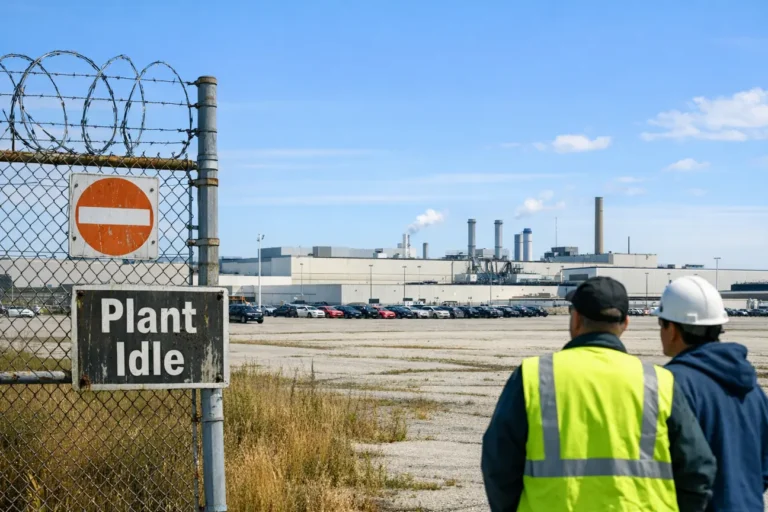
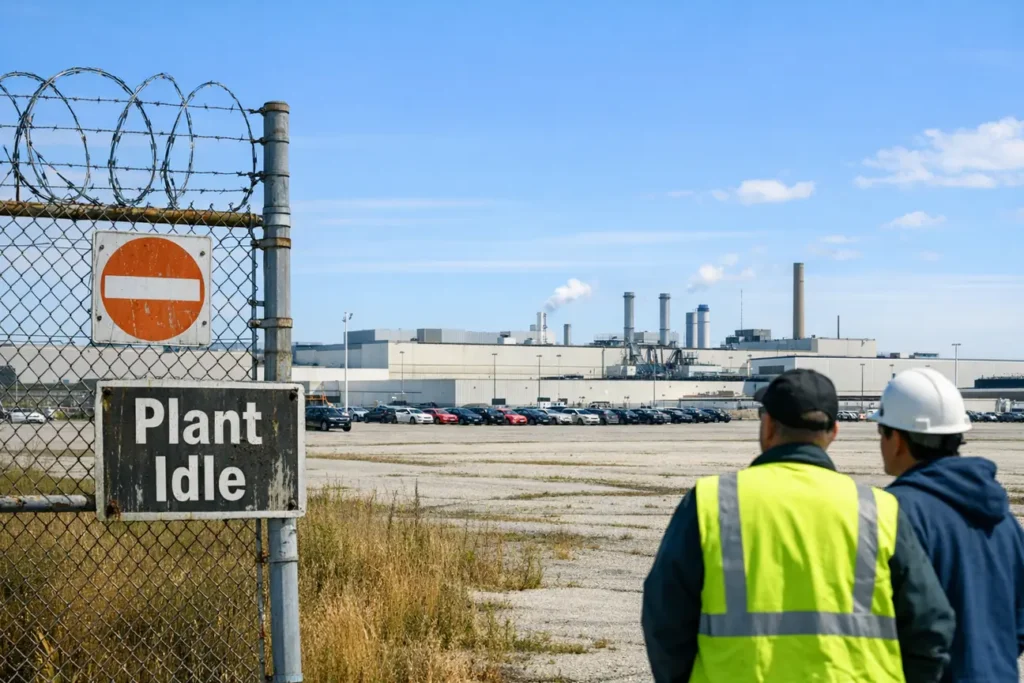
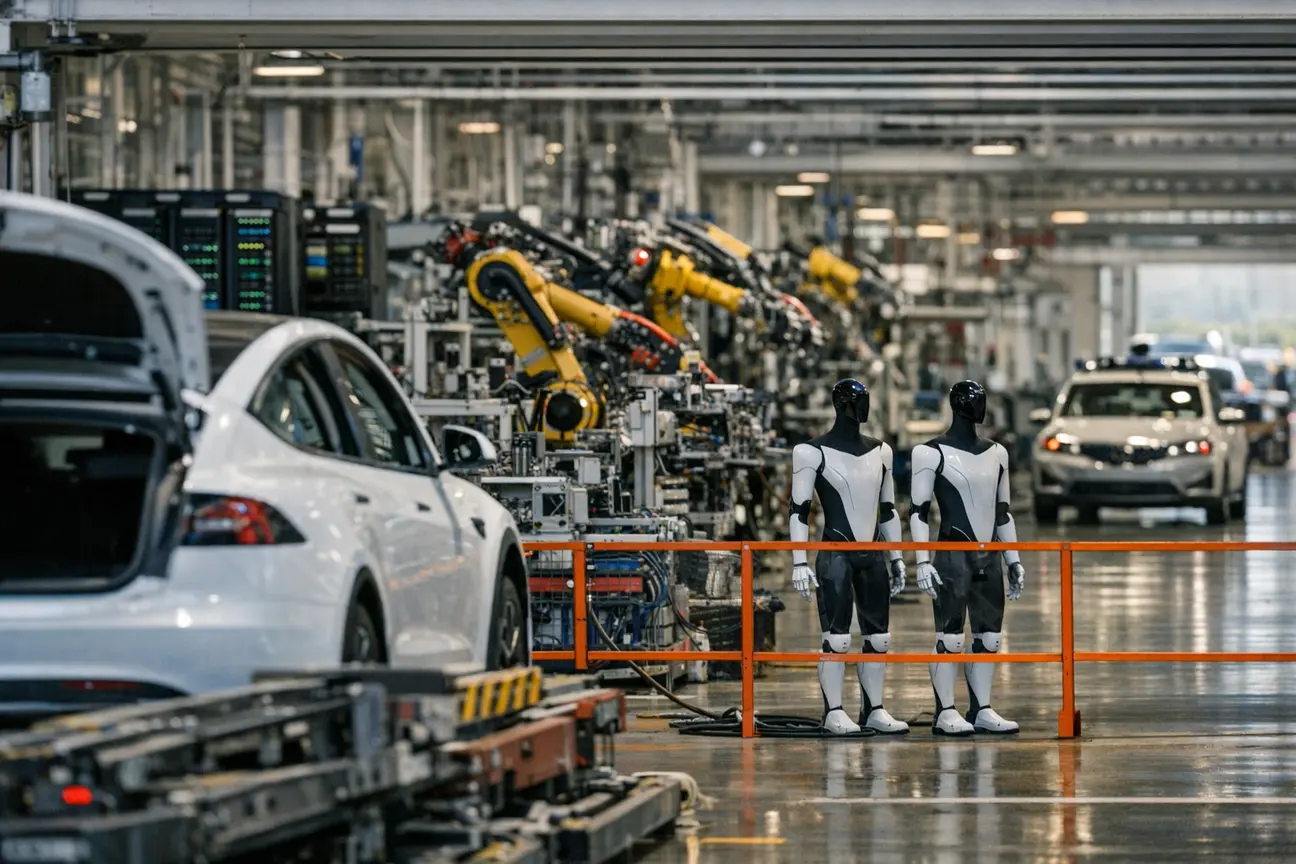
- Fremont conversion: Ending Model S/X production to build Optimus humanoid robots.
- Spending emphasis: AI and robotics programs, driverless systems, and supporting compute infrastructure.
- Portfolio build-out: Continued work on driverless Cybercab, Semi truck, and an Optimus facility; capacity expansions at existing plants.
- Chips: Suppliers (Samsung, TSMC, Micron) cited as constrained; Musk floated a domestic “Tesla TeraFab” concept for logic, memory, and packaging, though not in this year’s budget.
- Potential U.S. solar cell manufacturing is also outside the current-year plan.
Timelines and guidance
- Optimus: Line envisioned to support up to 1 million units per year, but Musk calls it early-stage R&D; expects no significant volume until possibly late 2026.
- Robotaxi: Pilot operating in Austin with a handful of fully driverless rides; service in San Francisco still with a driver. Expansion targeted for 1H 2026 to Dallas, Houston, Phoenix, Miami, Orlando, Tampa, and Las Vegas.
Competitive landscape
- Autonomous ride-hailing: Waymo expanding in the U.S.; Baidu’s Apollo Go in China.
- Humanoid/general-purpose robotics: Apptronik, Boston Dynamics (U.S.), and China’s Unitree and Agibot.
- EV competition: Intensifying from BYD (China) and European automakers like Volkswagen and BMW.
Risks and uncertainties
- Execution risk in standing up Optimus production and scaling AI compute.
- Regulatory and safety hurdles for fully driverless operations.
- Semiconductor supply constraints; domestic fab concept is unbudgeted and long-dated.
- Narrower consumer lineup near term as S/X exit, while rivals add new EVs.
Market and analyst reaction
Canaccord Genuity called the strategy a decisive pivot and recommended buying the stock, while Barclays described it as a symbolic handoff from autos to “physical AI.” Musk’s long-term projections for Optimus and robots driving most of Tesla’s value remain forward-looking statements.
What to watch next
- Evidence of Optimus line setup and any early deployments in Tesla factories.
- Robotaxi safety performance and regulatory progress as new cities come online in 1H 2026.
- Details on AI compute buildout and allocation of the $20B capex across programs.
- Updates on chip sourcing strategy and any movement toward a domestic fab.
- Signs of stabilization in automotive revenue amid heightened competition.