
Key update
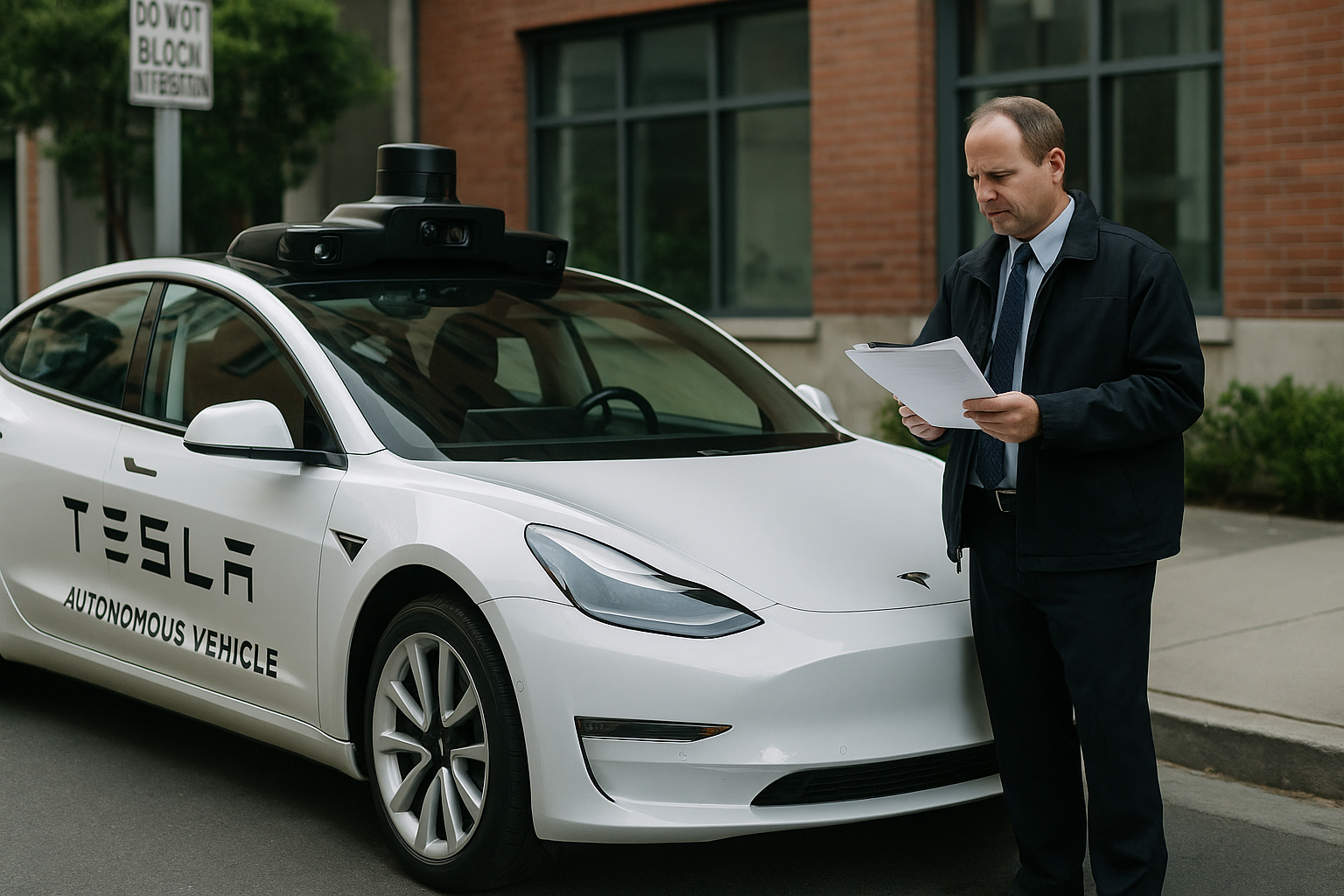
Tesla is conducting unmanned testing of its self-driving robotaxis on public roads, with a vehicle spotted operating in Austin, Texas and Elon Musk confirming that “testing is underway with no occupants in the car.”
Why it matters
- Marks a shift from supervised to fully unattended trials in Tesla’s robotaxi program.
- Raises fresh questions about safety oversight, incident reporting, and permitting across jurisdictions.
- Moves Tesla closer to potential commercial, driverless ride-hailing if trials prove reliable.
What’s confirmed vs. unknown
- Confirmed: Unmanned tests are happening in Austin; prior phase used in-car safety monitors with an emergency stop switch.
- Unknown: Scope and locations beyond Austin, specific safeguards when no one is inside, and whether remote monitoring is used.
Safety and regulatory context
During the supervised phase, The Drive reported multiple crashes; earlier coverage cited four crashes despite in-car safety monitors. Regulatory permissions vary by state; The Drive noted Arizona approval for service without in-car monitors even after those incidents. Details on Texas permitting in the current phase were not provided.
Technical considerations
Tesla’s approach leans on camera-based vision and neural networks trained on fleet data rather than lidar-heavy stacks. Removing in-car monitors and kill switches places more pressure on perception, prediction, and planning to handle edge cases like construction zones, unprotected turns, and emergency vehicles.
Industry backdrop
Volkswagen is also testing robotaxis on public roads in Wolfsburg, Germany, underscoring a broader push toward geofenced, driverless operations that can scale if performance and regulatory conditions allow.
What to watch next
- Any additional incidents and Tesla’s transparency in reporting outcomes.
- Regulatory responses and permits for fully unattended testing or limited commercial service in more markets.
- Evidence of remote oversight, operational design domains, and safety mitigations when vehicles run empty.
- Timeline for offering public rides without in-car attendants.
Bottom line
A Tesla robotaxi operating with no one inside was observed in Austin, and Musk confirmed unattended public-road testing is underway. It’s a pivotal but riskier step following a supervised phase that included multiple reported crashes, and its trajectory now depends on performance and regulatory tolerance.