

Overview
Artificial intelligence is rapidly shaping the car-shopping journey, with a new Cars.com survey (reported by Digital Dealer on Dec. 18) indicating that nearly half of consumers have tried AI tools and that the vast majority of those users say AI will influence what they buy. The findings suggest shifting research behaviors, new pathways to dealer websites, and evolving roles for sales teams.
Key findings
- 44% of consumers have used AI-powered tools to shop for a vehicle.
- 97% of AI users say the technology will influence their purchase decisions.
- 73% report AI saves time by turning natural-language questions into targeted results.
- 59% view AI as a starting point for deeper research, while 30% say AI alone can provide a satisfactory final answer.
- 71% have at least moderate confidence in AI to deliver unbiased, accurate information, yet 63% worry about biased recommendations.
- Two-thirds still consider established shopping and review sites their most trusted sources.
- After using AI, consumers are most likely to visit a cited dealer or OEM website next.
- In-store, 64% are open to additional recommendations from a salesperson, and many prefer final budget/financing discussions at the dealership.
How shoppers are using AI
Consumers turn to AI to identify and compare models, estimate prices, and answer reliability questions. Cars.com emphasizes AI’s speed and relevance and links these behaviors to its assistant, Carson, which converts conversational questions into tailored results that guide early research.
Trust, bias, and verification
Confidence in AI is growing but conditional. Many shoppers verify AI-driven guidance by cross-checking vehicles and claims on well-known shopping and review platforms or specific dealer/OEM sites. Concerns center on how AI ranks and presents information and whether commercial incentives or training data introduce bias.
Implications for dealers and OEMs
- Keep inventory, pricing, and vehicle descriptions accurate and transparent so AI outputs surface reliable results.
- Ensure dealer and brand websites are optimized for shoppers arriving from AI-cited links.
- Strengthen online-to-offline handoffs to maintain continuity as buyers move from research to the showroom.
- Equip sales teams to engage AI-informed customers whose make/model/trim choices may already be narrowed.
In-store dynamics remain critical
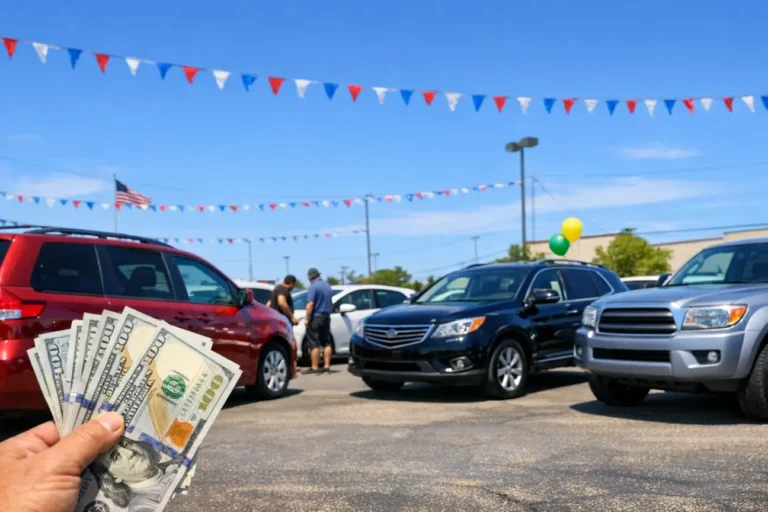
The human element still matters. Many shoppers welcome expert guidance on the lot and prefer to finalize budget and financing in person, indicating AI sets expectations while dealerships anchor the close.
Methodology note
Digital Dealer did not provide survey methodology details such as sample size, field dates, or question wording; key percentages are attributed to Cars.com’s “AI in Car Shopping Consumer Survey.”
Bottom line
AI has moved beyond novelty in auto retail: usage is widespread among shoppers who find it efficient, yet skepticism about bias persists. The journey increasingly starts with AI, flows to dealer and OEM websites, and culminates in the showroom—rewarding brands and stores that publish clear, trustworthy data and align sales processes with AI-informed research.