
Key takeaways
- Stellantis will begin to phase out U.S. plug-in hybrid (PHEV) programs with the 2026 model year.
- Models affected include the Jeep Wrangler 4xe, Jeep Grand Cherokee 4xe, and Chrysler Pacifica PHEV.
- The company will pivot to conventional hybrids and range-extended vehicles amid softer PHEV demand.
What’s changing
Stellantis plans to end U.S. sales of PHEV versions of the Wrangler, Grand Cherokee, and Pacifica as it restructures its North American electrification strategy. The company says it will concentrate on “more competitive electrified solutions,” namely conventional hybrids and range-extended offerings.
Why the pivot
- Conventional hybrids don’t require charging and have proven more appealing to many U.S. shoppers, lowering barriers to adoption.
- Automakers are reassessing EV investments and timelines amid policy shifts under President Trump, evolving consumer interest, costs, and regulatory pressures.
- Hybrids typically use smaller batteries than PHEVs and EVs, helping reduce costs and ease supply constraints.
Compliance and product mix context
PHEVs had helped Stellantis meet federal fuel-economy targets, offsetting a lineup with a number of V8-powered models. As PHEVs are phased down, the burden of meeting efficiency and emissions goals will shift more toward conventional hybrids and range-extended systems.
Safety backdrop
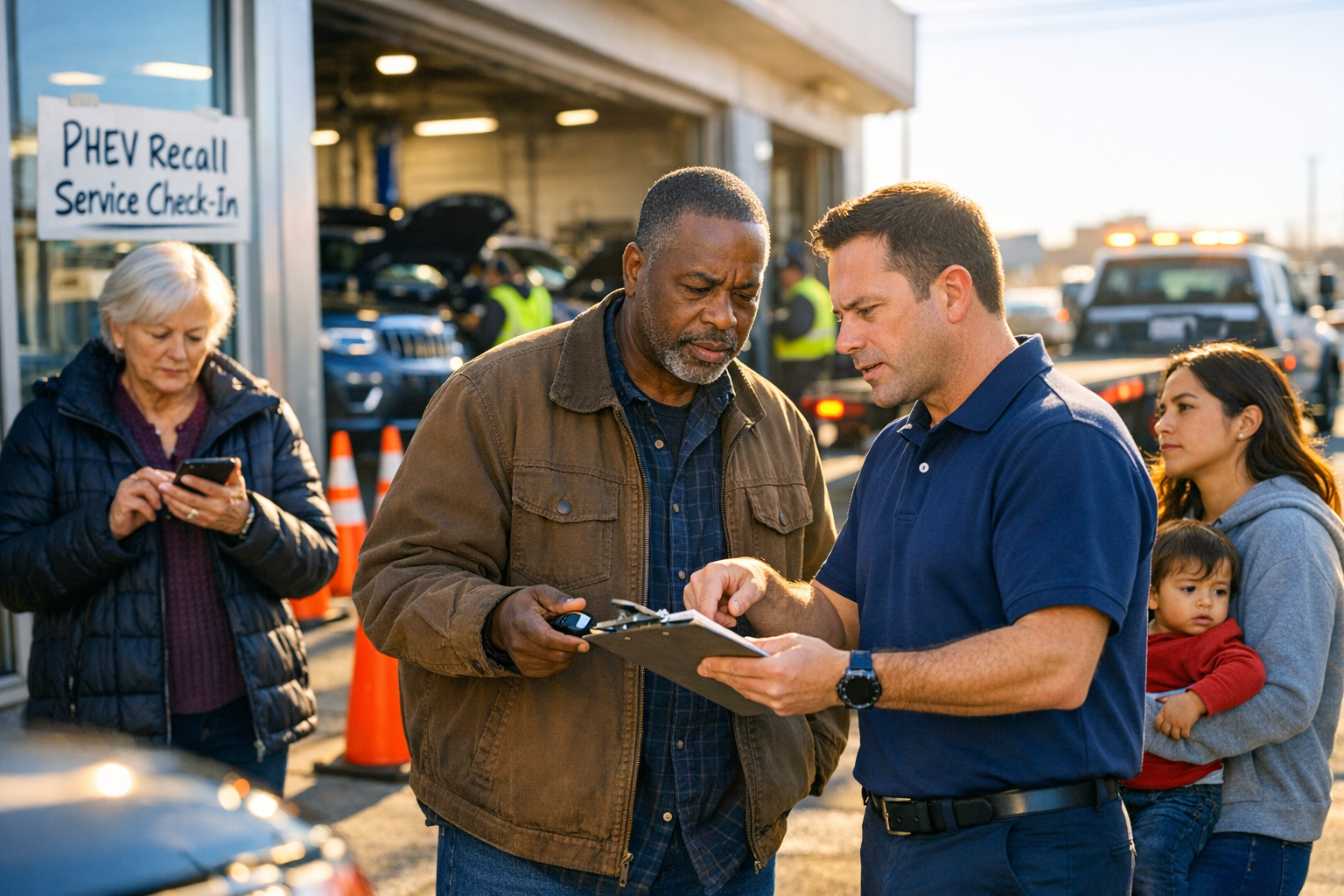
In the prior year, Stellantis recalled roughly 375,000 Jeep PHEVs over potential battery failures and reported fire risks. While the company did not tie that action directly to the strategy shift, the timing places the move amid heightened scrutiny of battery reliability and safety.
What it means for shoppers
- As the 2026 model year approaches, U.S. inventories and ordering will adjust away from the Wrangler 4xe, Grand Cherokee 4xe, and Pacifica PHEV.
- Stellantis will direct buyers toward non-plug-in hybrids and future range-extended options, which use an onboard gasoline engine to generate electricity and extend range.
- Specific replacement models and rollout timelines were not detailed.
Bigger picture
The shift reflects a broader industry recalibration: manufacturers are prioritizing technologies that better match U.S. buyer preferences and deliver near-term emissions reductions at scale. Hybrids serve as a bridge while charging infrastructure and full-EV demand continue to develop.