
Overview
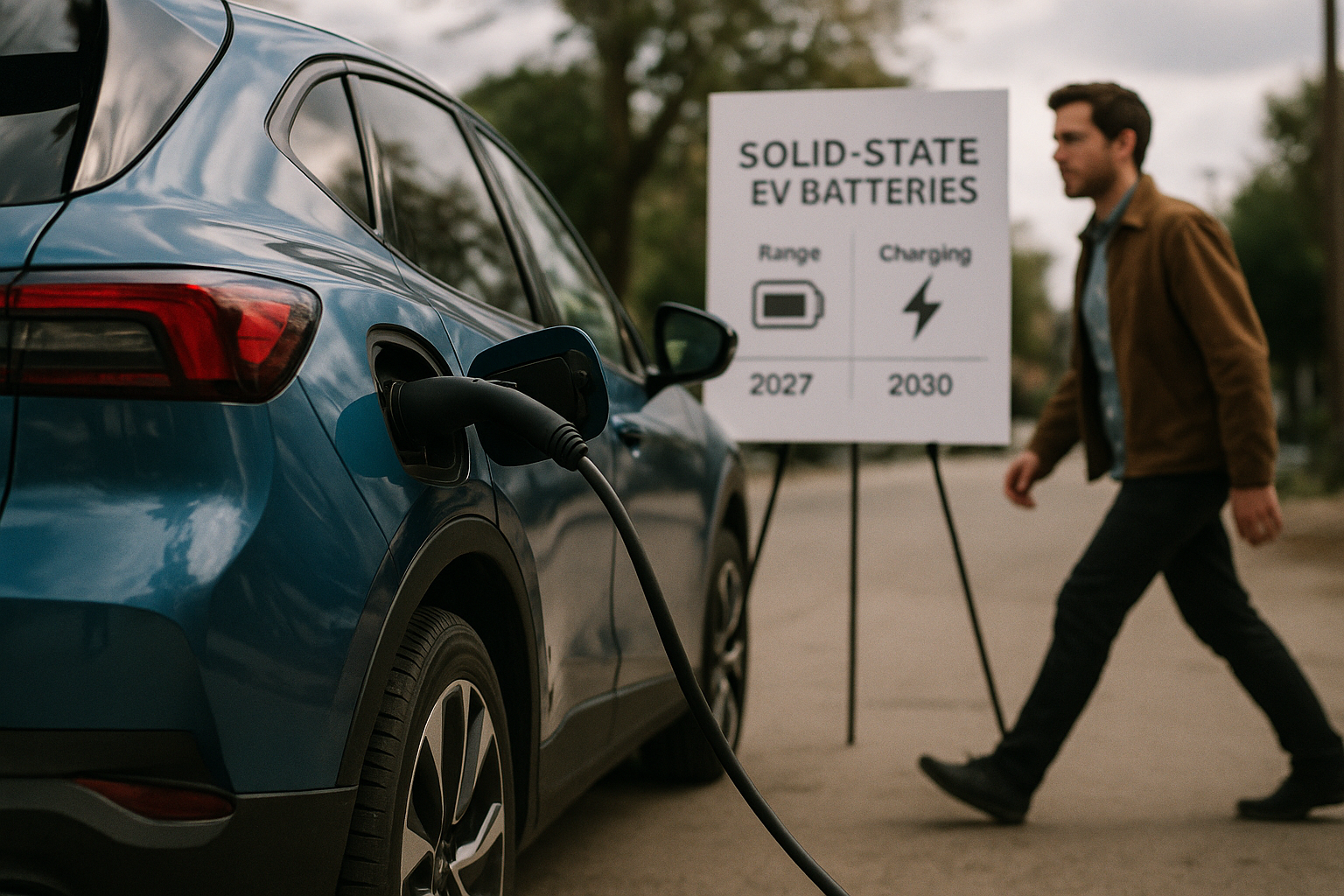
Automakers are accelerating solid-state battery development that promises longer range, faster charging, and improved safety, with mass adoption targeted for 2027–2030. A Cars.com report cited by CBT News notes U.S. consumers will likely wait several years for widespread availability, while China is moving ahead with early commercial models.
Why it matters
- Range: Prototypes indicate potential for 600+ miles on a single charge.
- Charging: Rapid charging could meaningfully cut time at public stations.
- Safety: Solid electrolytes may reduce flammability and thermal runaway risks.
- Costs and packaging (claims): Some reports suggest production could become cheaper than today’s lithium‑ion and that higher energy density could enable smaller, lighter packs at similar range, but these outcomes remain to be proven at scale.
Automaker highlights
- Mercedes‑Benz + Factorial Energy: Prototype EQS reportedly drove 749 miles with ~85 miles remaining; no production timing yet.
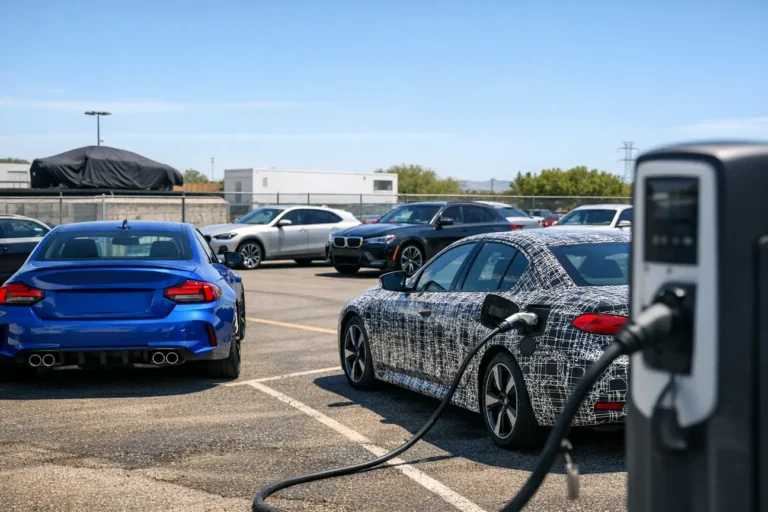
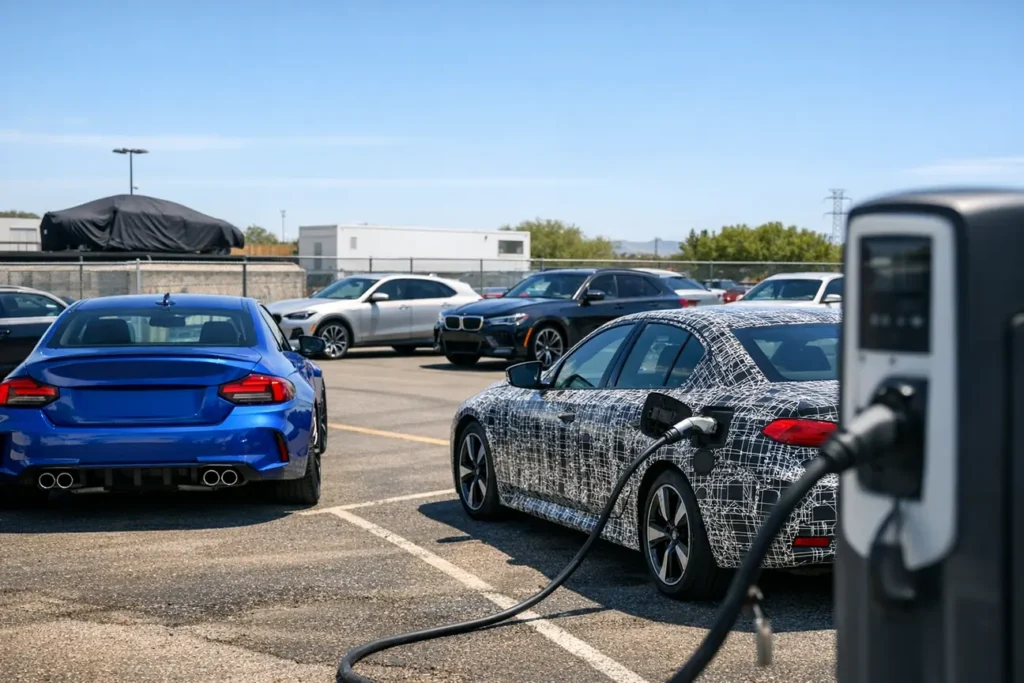
- BMW + Samsung SDI + Solid Power: Solid‑state cells under evaluation in i7 sedans to validate real‑world performance; no rollout date.
- Stellantis: Dodge Charger Daytona EV tests show 15%→90% in 18 minutes; scaling to production remains the hurdle.
- Volkswagen (incl. Ducati e‑motorcycle): 10%→80% in 12 minutes on a two‑wheeler, underscoring fast‑charge potential.
- Toyota: Prototypes target 10%→80% in 10 minutes and ~620 miles; mass production aimed for 2027–28.
- Honda: Aiming for ~620 miles; progress slowed by challenges scaling larger cells.
- Nissan: Plans late‑2028 vehicles, including hybrids to gather early learnings.
- Hyundai–Kia: Broad availability may not arrive before ~2030.
Key challenges to scale
- Prototype-to-production gap: Optimizing designs across environments and integrating new materials/assembly processes.
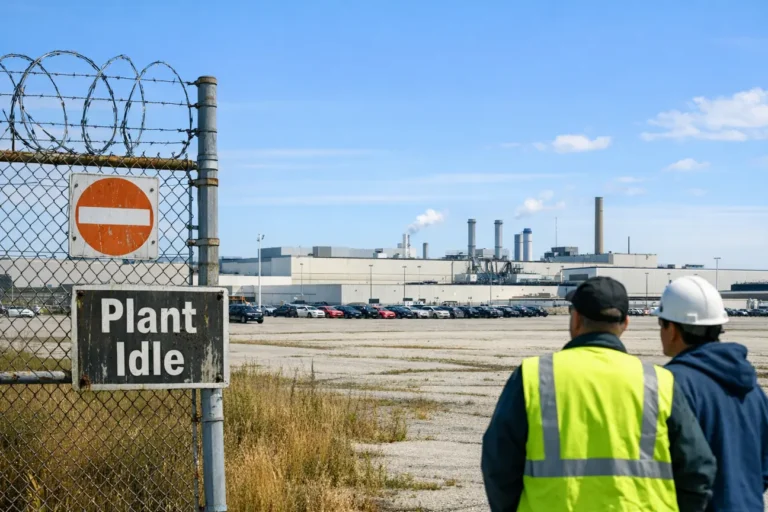
- Manufacturing readiness: Supply agreements, quality control, and factory tooling can take years.
- Materials trade‑offs: Sulfide vs. oxide solid electrolytes balance conductivity, manufacturability, and moisture sensitivity.
- Durability validation: Ensuring longevity over thousands of cycles and under rapid charging.
Market timing and availability
Near‑term U.S. availability is expected to be limited. Early commercial deployments are occurring in Asia, with broader U.S. rollout likely later in the decade as designs are validated and new battery lines come online.
Implications for consumers and retail
- Potential for substantially longer real‑world range and charging in minutes rather than hours.
- Higher energy density could free interior space or improve efficiency (claim pending mass‑production proof).
- If fast‑charge performance scales, public charging stops could feel closer to conventional refueling.
Outlook
Testing is intensifying across vehicle types, and partnerships are spreading technical and financial risk. Expect a staggered rollout: pilot lines, initial models (late 2020s), and wider adoption into the next decade as cost, durability, and manufacturability targets are met.