

Executive summary
Toothman Ford rebuilt its business around a used-first model and expanded fixed operations to match, prioritizing direct purchases from local sellers and its service lane. The approach reduced acquisition costs, improved inventory predictability, and fed finance and service, transforming a small-market constraint into a scalable advantage.
Market context
The dealership operates in a rural West Virginia county with average household income around $39,000, limited population growth, and tight inventory competition—conditions that constrain new-vehicle sales and margins.
Sourcing shift
Toothman Ford moved from a broad “shotgun” buying style to a targeted, data-informed “rifled” approach focused on controllable channels.
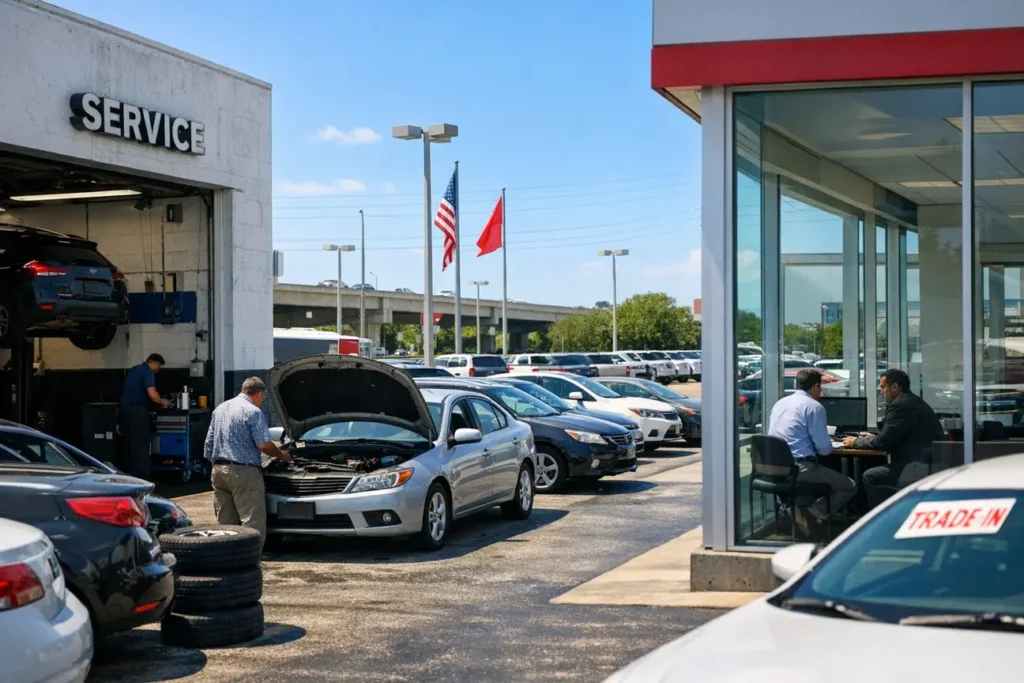
- Primary channels: “Off the street” purchases and acquisitions from the service lane.
- Auctions: Used selectively to backfill specific segments and price points.
- Goals: Lower wholesale and transport fees, increase visibility into vehicle history, and accelerate time-to-retail.
Operational investments
Used volume became the engine for finance and service, prompting capacity and capability upgrades.
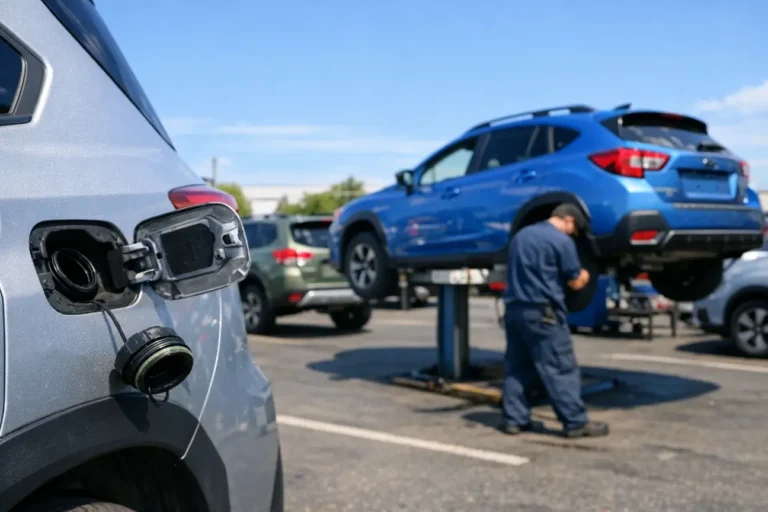
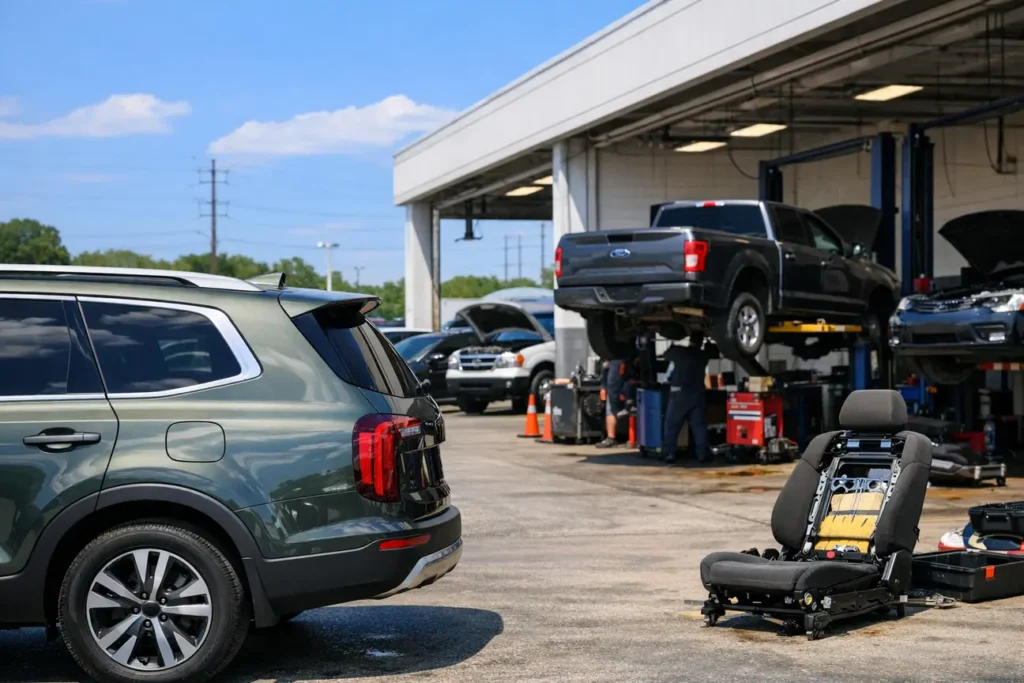
- ~$2.5 million invested to expand service, including a standalone reconditioning (recon) building.
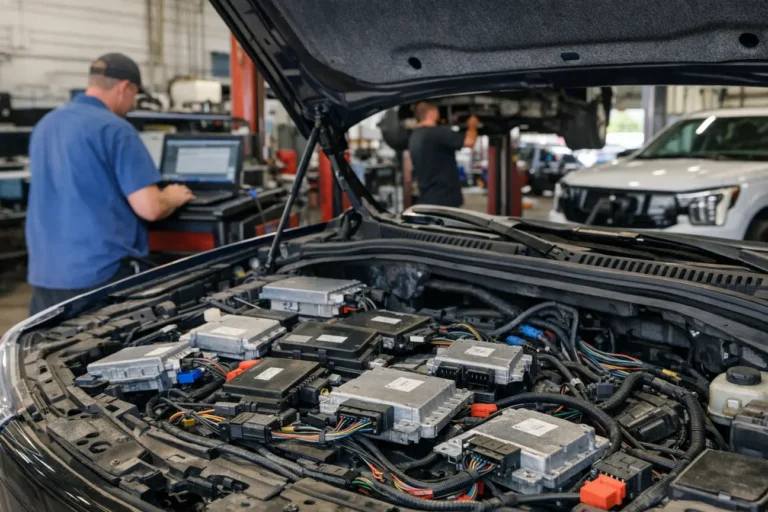
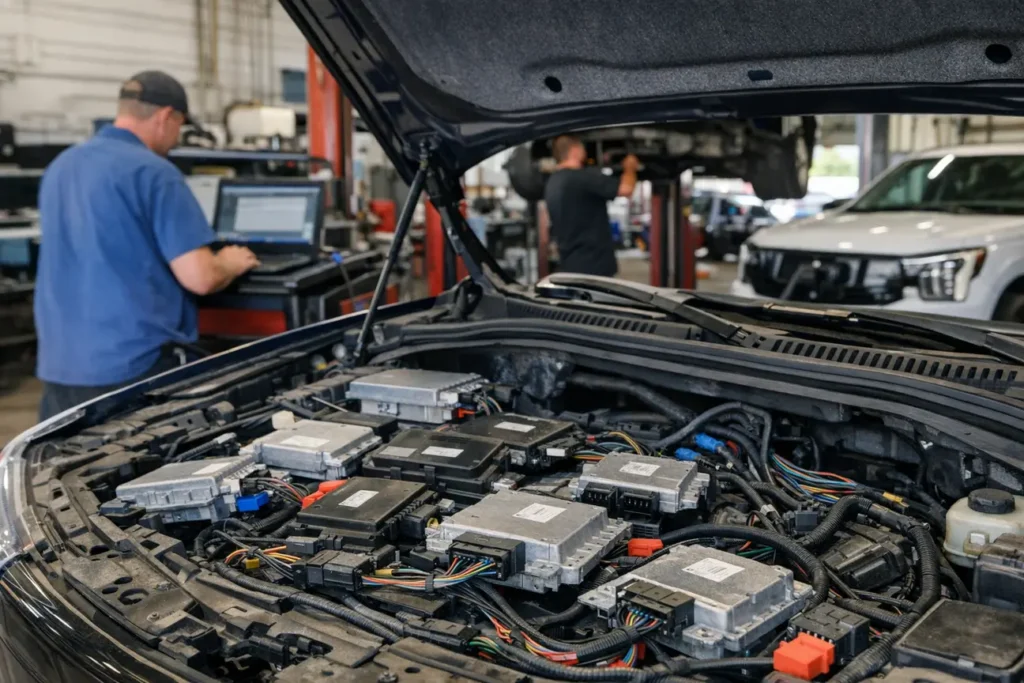
- Hiring and upskilling: six master-certified technicians to handle more repairs in-house and speed recon.
- Process focus: Standardized recon and tighter acquisition criteria to improve throughput and predictability.
Results and metrics
- Sales volume: 150–170 used units/month at the main store; an additional ~100 used units/month at a second Ford location.
- Fixed ops impact: Service and parts revenue now better absorb fixed expenses after previously “embarrassingly low” fixed absorption.
- Cross-department lift: More used sales drive more F&I opportunities and repeat service traffic.
Why it matters
The dealership aligned its model with local affordability and demand realities rather than chasing ideal market conditions. By focusing on controllable variables—sourcing, reconditioning, and throughput—it built a repeatable system where used cars feed every other department and fixed ops provide durable margin in a thin-margin environment.
Repeatable playbook for similar markets
- Prioritize direct buying from local sellers and the service lane; use auctions to fill gaps.
- Invest in recon infrastructure and technician capability to speed time-to-frontline.
- Tighten acquisition criteria around vehicles you can recondition efficiently and retail confidently.
- Measure and manage fixed absorption; let used volume power F&I and service growth.