
Overview
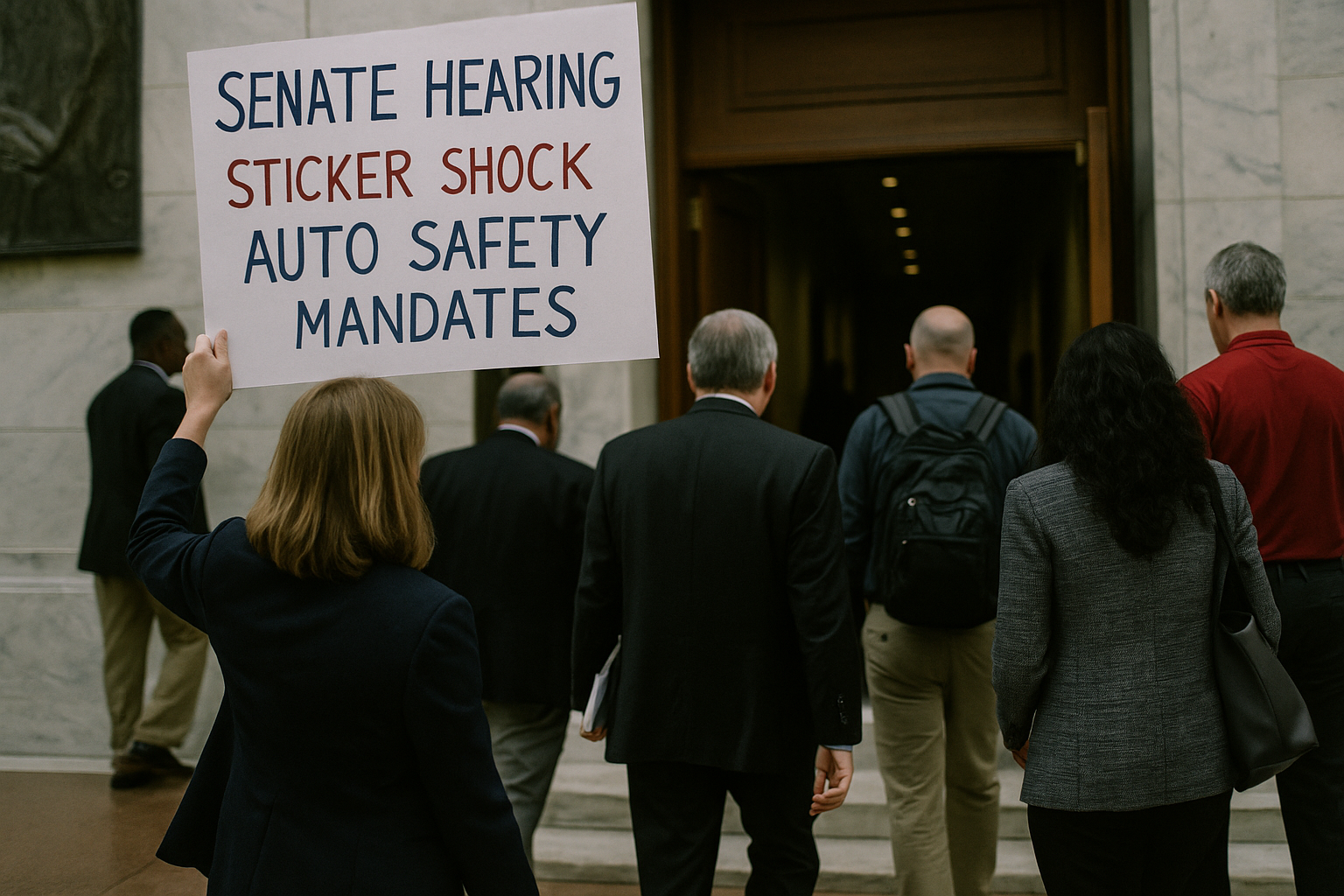
Senate Republicans will hold a Jan. 14 hearing to examine the costs and effectiveness of recent federal vehicle-safety mandates, questioning automakers and regulators on technologies such as automatic emergency braking (AEB) and rear-seat child alerts. Executives from Detroit’s Big Three and a senior Tesla leader are expected to testify, amid concerns about the average new-vehicle price hovering around $50,000.
Republican Focus
- Some rules may lack clear benefits and raise vehicle prices.
- New mandates could complicate autonomous-vehicle development.
- Emphasis that the largest safety gains came from the 1960s–1980s (seat belts, crashworthiness), while newer tech may offer incremental benefits with higher repair costs.
Safety Advocates’ Position
- Roughly 40,000 U.S. road deaths annually warrant stronger baseline protections.
- AEB and rear-seat alerts could prevent hundreds of fatalities each year, per the Insurance Institute for Highway Safety.
- Delaying or scrapping mandates would raise risks for drivers and passengers.
Key Rule Under Scrutiny: AEB by 2029
NHTSA’s rule would require AEB on new vehicles starting in 2029 to reduce front-to-rear crashes. Automakers warn that poorly tuned systems could cause unintended braking and rear-end collisions, urging revisions to technical specs and timing. The agency is considering extending the deadline.
Price Pressures and Market Context
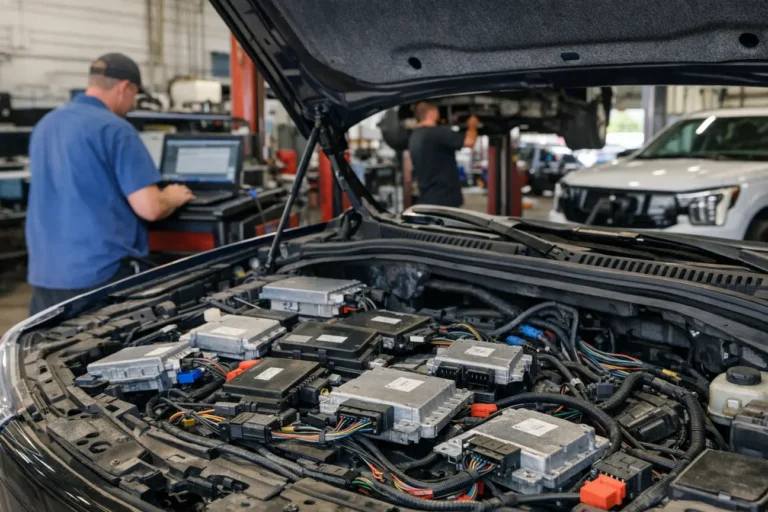
- Beyond mandates, prices are pushed higher by demand for larger vehicles, premium features, and increasing technological complexity (connectivity, driver assistance, larger displays).
- Lawmakers aim to parse how much of today’s sticker price stems from regulation versus market and product-content choices.
Intersection with Autonomous Vehicles
- Some argue added compliance obligations could divert resources or lock in immature technical approaches.
- Others counter that baseline protections (e.g., braking assistance) can coexist with AV R&D and reduce crashes in the interim.
Rear-Seat Child Alerts
- Designed to remind drivers to check the back seat to prevent hot-car tragedies.
- Supporters say they are low-cost and effective; skeptics question whether a uniform mandate outperforms automaker-led solutions or public education.
Voluntary Adoption vs. Regulation
Lawmakers will ask whether voluntary industry rollouts can deliver benefits faster or at lower cost than mandates, and will probe repair expenses, insurance impacts, and out-of-warranty costs tied to newer safety tech.
Legislative Stakes
The hearing precedes the reauthorization of a $300 billion federal highway bill that funds road/rail projects and backs NHTSA’s safety programs. Outcomes could influence NHTSA resources, compliance timelines, and future mandates.
Implementation and Performance Questions
- NHTSA must defend the scientific basis for rules and the compliance schedule.
- Industry seeks more testing and calibration guidance to prevent false activations.
- Lawmakers will examine real-world effectiveness, driver disable rates, and how companies address system limitations.
Implications for Consumers and Dealers
- Feature availability and standard equipment on entry-level models could shift with mandate timelines.
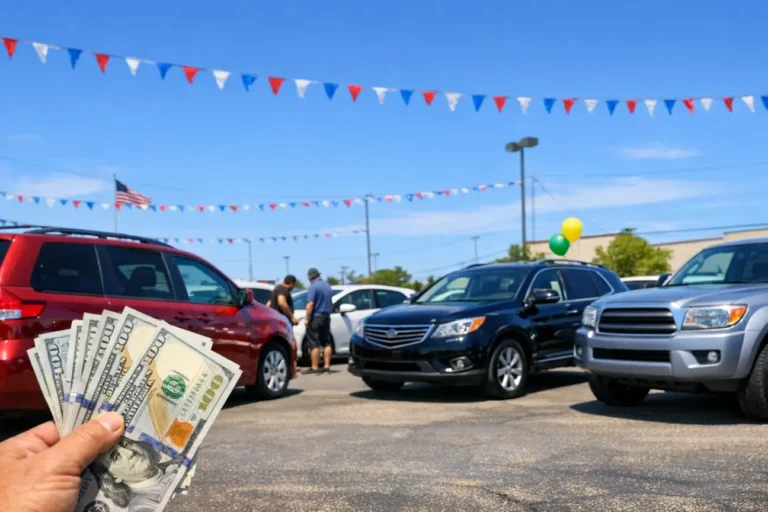
- Affordability pressures persist as buyers gravitate to used cars and automakers emphasize higher-margin trims.
What’s Next
After the Jan. 14 session, senators will weigh testimony from automakers and NHTSA on AEB timing. Any adjustments to deadlines or future requirements would likely appear in agency updates or legislative language tied to the highway bill reauthorization.