
Overview
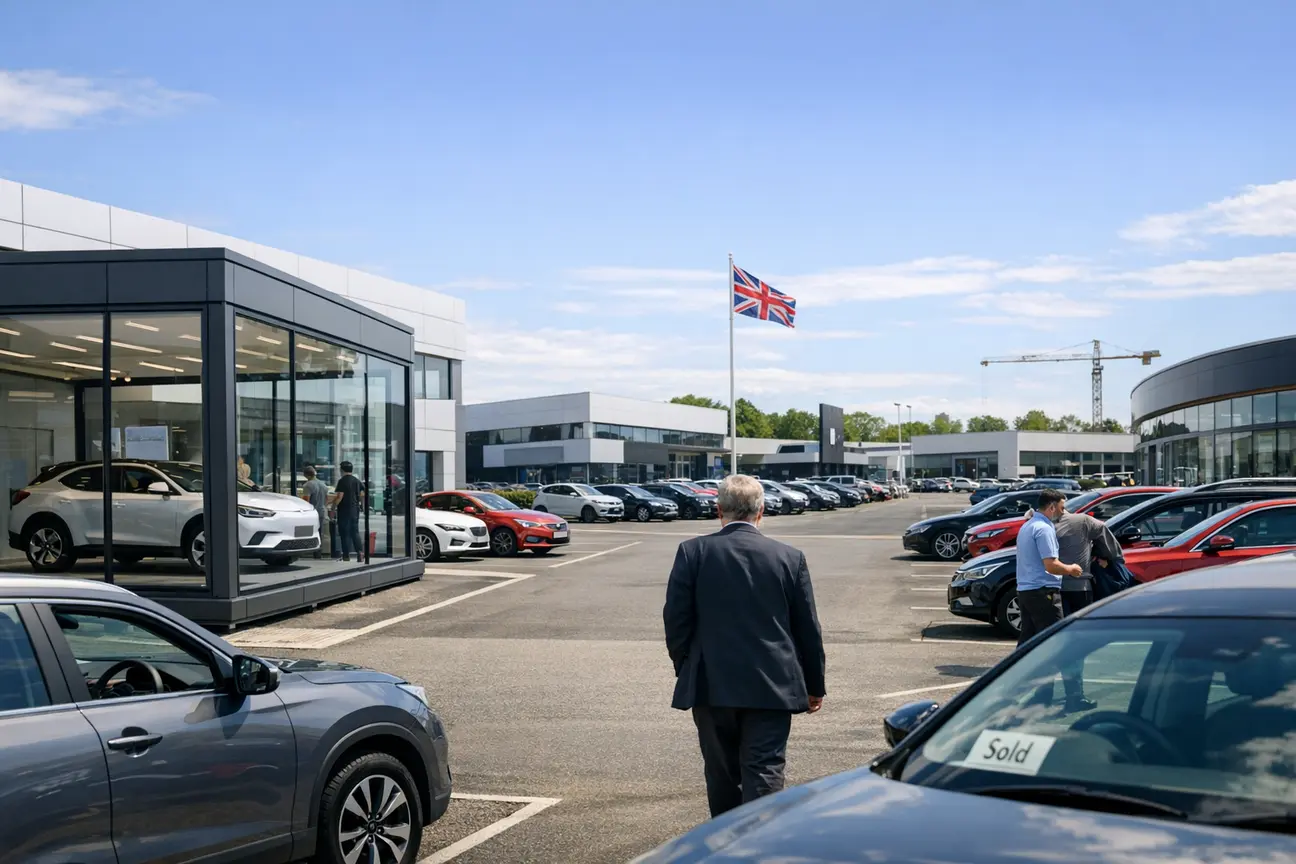
New Chinese marques and an active wave of overseas acquisitions are reshaping the U.K. auto retail property market. Savills’ latest outlook highlights a rapid shift toward flexible, multi-franchise, modular showrooms and a rebalancing of who owns dealership real estate, with more operators and private buyers acquiring sites as institutions sell down.
What’s changing
- Modular, multi-franchise formats: Showrooms are being redesigned with interchangeable modules to add or rotate brands quickly and reduce exposure to single-OEM cycles.
- Ownership shift: Financial institutions have been net sellers of mature dealership assets; operators and private investors are increasingly buying and occupying their sites.
- Cross-border M&A: Since 2022, there have been 15+ overseas acquisitions of U.K. dealer groups, led by buyers from the USA and the Middle East, alongside European and Asian investors.
Modular formats: purpose and benefits
- Accelerate brand onboarding and changeovers without full interior refits.
- Diversify risk by spreading floorspace and sales teams across multiple OEMs.
- Lower upfront capex, improve sustainability, and support compliant, on-brand presence at speed.
- Standardize back-of-house (lounges, delivery bays, digital zones) to carry multiple brand identities.
Example: AION’s drop-in display system
AION, a Chinese brand, illustrates the approach with a modular display system that retailers can insert into existing footprints. Partners can adopt the brand rapidly within current floor plans, minimizing capital outlay and avoiding wholesale refurbishments.
Property capital flows and lease dynamics
- Institutional sales are linked to shortening unexpired lease terms; many funds prefer recycling capital over re-gearing or funding OEM-specific refurbishments.
- About 90% of sellers in the past three years have been institutions releasing mature assets, opening opportunities for private investors, property companies, and especially owner-occupier dealer groups.
- Owner-occupation gives retailers greater control to reconfigure buildings, add/drop franchises, and phase works with local demand and product cycles.
Overseas acquisitions: strategic themes
- International buyers seek scale, technology, diversified brand mixes, regional density, and strong aftersales to underpin returns through cycles.
- Targets range from large platforms to regional groups, underscoring broad interest across the market.
Operational playbook for dealers
- Adopt flexible modules to pilot new brands, then resize allocation as demand evolves.
- Use standardized, re-skinable elements to meet changing OEM identity requirements.
- Evaluate owner-occupation for strategic sites to speed decision-making and align refurb cycles with franchise opportunities.
- Design layouts and leases for optionality, supporting agency/direct-to-consumer experiments and supply volatility.
Outlook for 2026
Flexibility and timing now rival location and size in importance. With more new entrants testing the U.K. market and established groups changing hands, multi-franchise, modular showrooms plus diversified ownership structures are becoming core strategies for resilience and speed to market.