
Summary
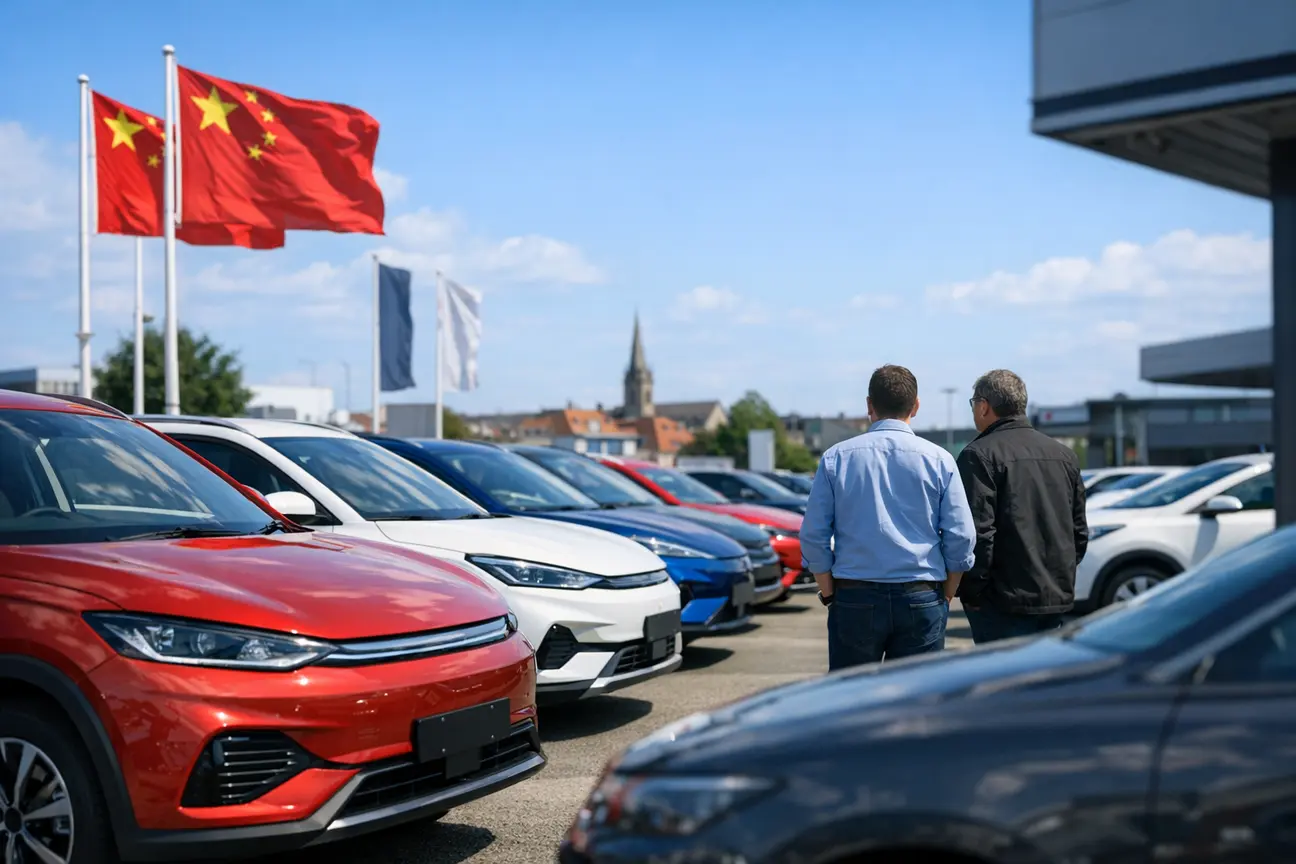
A Motor Trader guest blog argues that Chinese automakers surpassed 5% of the European car market in 2025 and are set to gain further share, urging European dealers and suppliers to adjust brand portfolios and partnerships rather than rely on defensive tactics or trade barriers.
Current position and momentum
- 2025 share excludes vehicles built in China by global brands (e.g., BMW, Dacia, Volvo) and brands owned by Chinese groups but managed in Europe (e.g., Polestar).
- Growth driven by newcomers and rapid advances from MG, BYD, and Chery Group across multiple European markets.
Product quality and durability
- Most lower-quality Chinese vehicles do not enter Europe; showroom impressions often surprise buyers on perceived materials, build, and reliability.
- Key unknown: long-term durability over 10–15 years; near-term question is how vehicles age rather than whether they meet standards.
Development speed
- Renault accelerated the Renault 5 to ~3 years (down from ~4), while Xiaomi launched its SU7 in ~1,000 days (<33 months).
- “China speed” is positioned as a meaningful advantage where technology cycles are fast.
Technology positioning
- The blog contends Chinese brands lead in BEV technology, rooted in long-term industrial policy (e.g., China’s 2012 New Energy Vehicle plan), with BYD cited as a pace-setter.
- Strengths also noted in autonomy and software (e.g., AI-enabled voice and infotainment), with the caveat that not every feature fits every buyer.
- Claim: Chinese brands hold a lead in battery-electric and autonomy-related technologies versus most rivals (claim).
Trade policy, pricing, and value
- Tariffs and regulation can only slow entrants if incumbents use the time to improve; protectionism alone risks complacency.
- Despite heavy incumbent investment and easing post-pandemic inflation, a significant value-for-money gap remains.
- Claim: Buyers can often get “one or two segments” more from leading Chinese brands at a given price point (claim).
Financing and residual values
- Monthly payments, not sticker price, often drive decisions; residual values will be pivotal.
- If used values lag, Chinese OEMs may need to support finance packages to keep payments competitive.
2030 outlook
- The blog dismisses expectations that early gains will fade or that incumbents will easily catch up without deep changes.
- Base-case view: Chinese brands could exceed the collective share of Japanese or Korean brands in Europe by 2030.
- Claim: In more open markets, Chinese brands could approach ~20% share by 2030—about double their estimated position today (claim).
Implications for incumbents, dealers, and suppliers
- Incumbents: Avoid a defensive posture; win loyalty with competitive products and ownership packages rather than barriers.
- Dealers: Actively manage brand portfolios; align with stronger entrants and be ready to drop weaker marques, including underperforming Chinese brands.
- Service/tech partners: Build clear account strategies for new OEMs; expect rapid, shifting demands in logistics, software, retail, and aftersales. Growth opportunities are large but zero-sum.
Core theme
The competitive landscape is shifting toward faster product cycles, software-led features, and strong value. While European manufacturers are investing and accelerating, the blog contends Chinese automakers are likely to extend advantages in EV platforms and digital features (claim). The closing metaphor: success may come from “riding the dragon”—working with or learning from the strongest entrants—rather than ignoring or confronting them without the right products.