
Dealer-Focused Summary
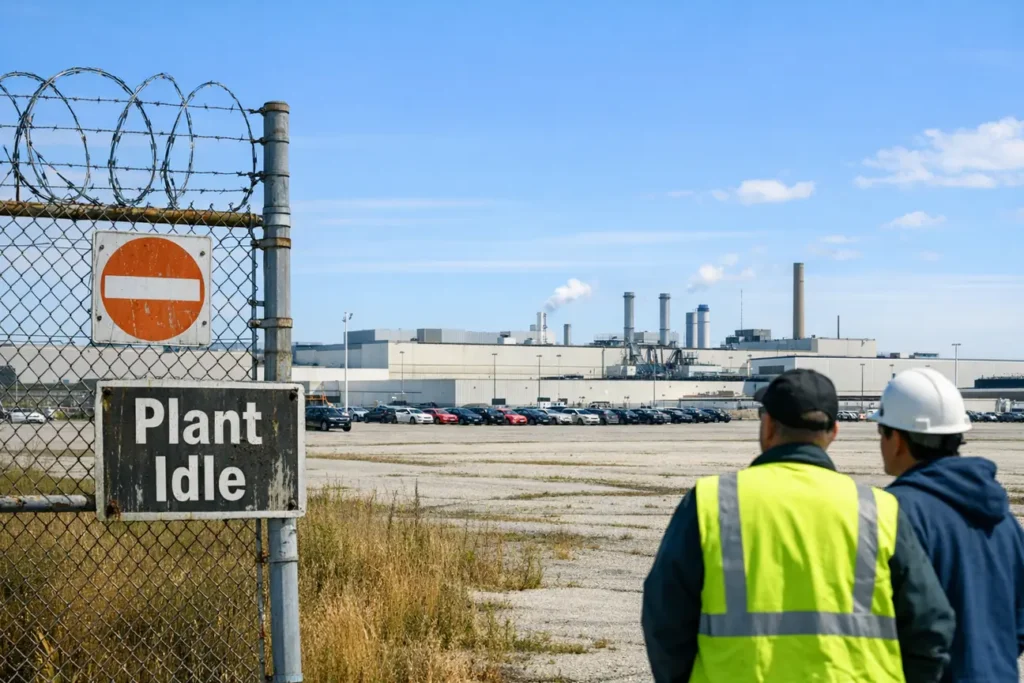
Automakers are recalibrating their electric-vehicle strategies amid shifting U.S. policy. The Drive reports that GM is moderating its near-term battery-electric rollout while reaffirming a long-term BEV destination, preparing to reintroduce PHEVs, and continuing ICE investment. Incentives are in flux, with The Drive reporting changes to the federal credit and a proposed California rebate. Demand signals are diverging by brand and segment, especially for three-row EVs, while software execution and autonomy initiatives add new variables for customer perception and resale.
Policy Snapshot
- The Drive reports that federal policy changes under the Trump administration loosened EPA and fuel-economy rules and that the $7,500 federal EV credit was killed (as reported). That reduces a nationwide affordability lever for many EVs.
- California: The Drive reports Gov. Gavin Newsom proposed $200 million for state EV rebates. If approved, expect stronger regional pull in CA and coastal ZIP codes.
OEM Strategy Shifts (as reported by The Drive)
- GM: Long-term BEV path affirmed; near-term slowdown; planning U.S. PHEVs; continued ICE spend (including next-gen V-8 and trucks).
- Kia: U.S. dealer council expects strong demand for the three-row EV9 despite reported loss of the federal credit.
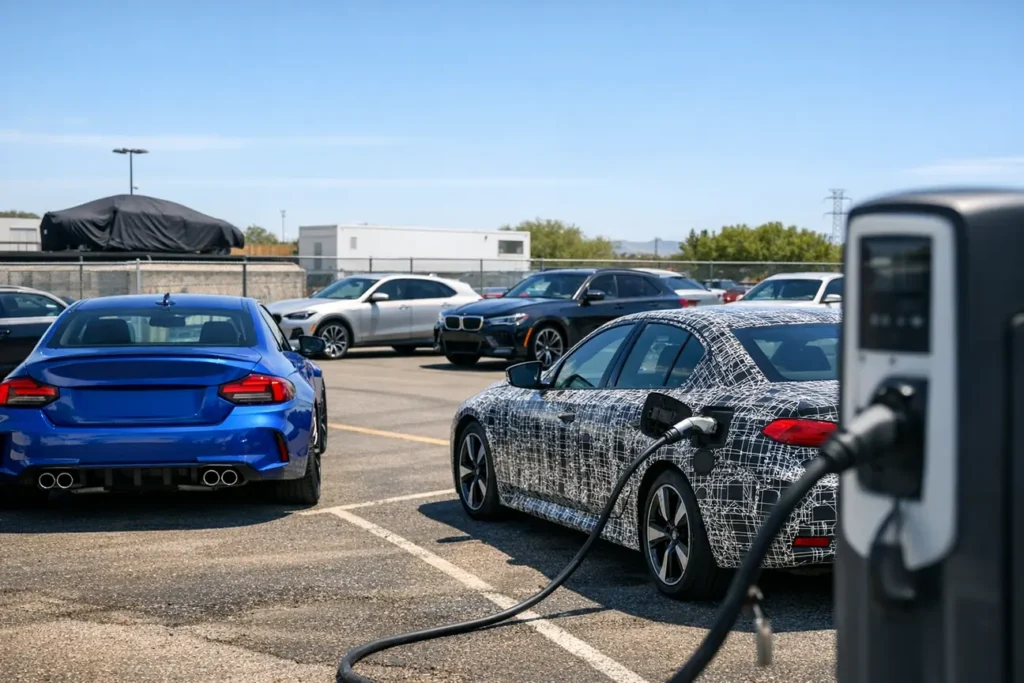
- Mercedes-Benz vs. BMW: Mercedes reportedly fell further behind BMW in EV sales (no figures provided).
- Tesla: Seven-seat Model Y returns, adding a family-oriented variant.
- Hyundai: Plans its own robotaxi service to compete with Waymo and aims to succeed where GM’s Cruise struggled (as reported).
- Lucid: Interim CEO acknowledged Gravity SUV software issues and replaced the software team.
Implications for 2026 Dealer Planning
- Inventory mix: Balance ICE, PHEV, and BEV. Expect near-term customer interest in bridge tech (PHEVs) plus family-size EVs (e.g., EV9, 7-seat Model Y).
- Incentive strategy: With the federal credit reportedly gone, lean into state/local programs. Prioritize allocation to incentive-rich regions (e.g., CA if funds pass).
- Pricing/TCO: Center conversations on total cost of ownership, charging habits, and fuel savings when comparing PHEV vs. BEV vs. hybrid.
- Software confidence: Address early software concerns transparently; emphasize update cadence, warranties, and service support to protect trade values.
- Charging readiness: Bundle home-charger referrals/installs; verify public-network partnerships that resonate by brand.
Action Checklist (Next 60–180 Days)
- Map incentives by ZIP; update payment stacks and CRM flags for state/local eligibility (especially CA if approved).
- Prep for GM’s PHEV additions: identify likely nameplates, build order guides, and train staff on charging use-cases and fuel savings.
- Allocate toward three-row EV demand pockets; position EV9 and 7-seat Model Y for family shoppers.
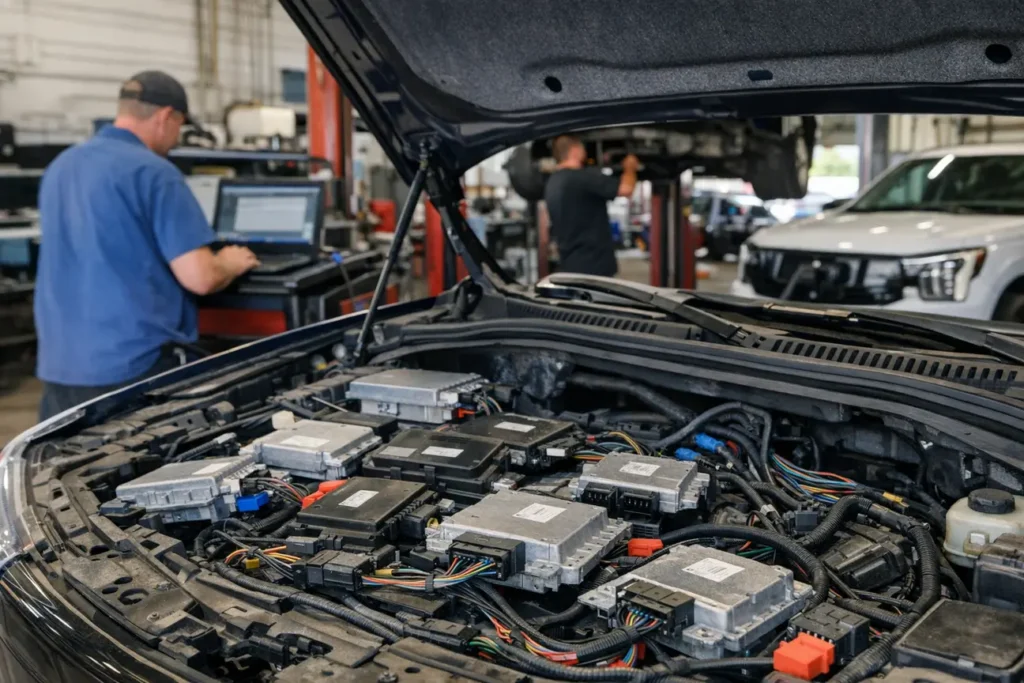
- Strengthen BEV/PHEV service capability: tools, safety training, and charging accessories.
- Create software QA talking points and an OTA-support flow for delivery and service.
- Set a cadence to review OEM bulletins on GM PHEV assignments and the CA rebate outcome.
Risks and Watch Items
- Policy volatility affecting affordability and compliance targets.
- Battery and component supply variability impacting trim availability.
- Charging network reliability by region and brand partnerships.
- Luxury-segment share shifts (e.g., reported Mercedes vs. BMW gap) affecting cross-shop flows.
- Software quality influencing CSI, resale, and trade valuations.
- Autonomy pilots shaping brand perception and potential fleet demand.
Customer Messaging Highlights
- “BEVs remain the end game; PHEVs are a strong bridge.” Match powertrain to driving profile.
- Highlight TCO and charging fit: daily electric miles vs. long-trip needs.
- Explain how state/local incentives can offset purchase cost in certain ZIPs.
- Compare family-size options and seating flexibility (EV9 vs. 7-seat Model Y).
Next Milestones to Watch
- California legislature decision on the proposed $200 million EV rebate funding.
- GM announcements on which U.S. models will receive PHEV variants.
- Updated luxury EV share trends clarifying the reported Mercedes–BMW gap.
- Availability and take-rate of the seven-seat Model Y configuration.
- Hyundai robotaxi pilots and any impacts on brand tech perception.