

Overview
Auto retail leaders say dealerships are losing service customers after warranties expire due to fragmented data and unfocused outreach. Executives recommend consolidating vehicle and customer information and shifting to targeted, opt-in messaging to keep more service work and protect margins.
What’s driving the leak
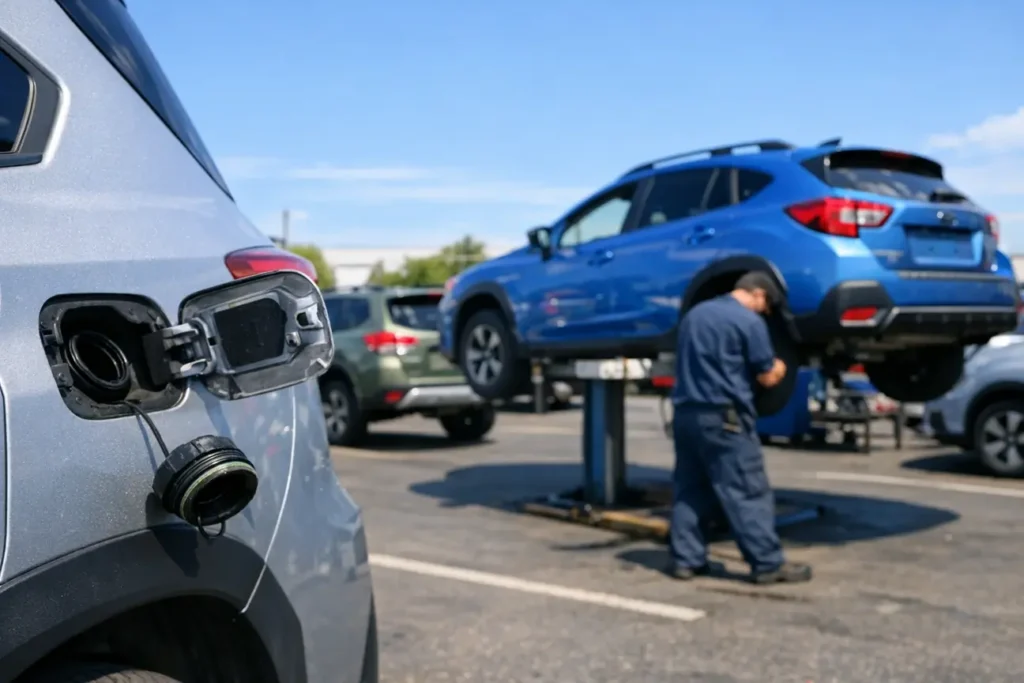
- 55% of buyers don’t return to the selling dealership for service in the first year (CARFAX data).
- Warranty work keeps bays busy but can mask poor retention once coverage ends and customers defect to independents.
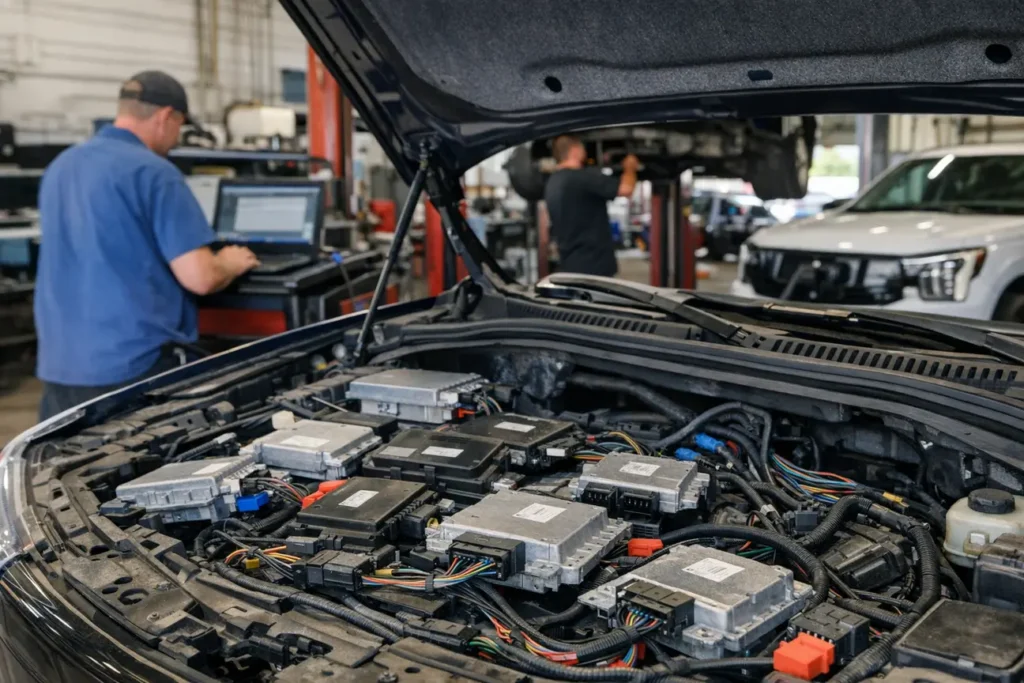
- Dealers struggle to measure retention because data lives in many disconnected systems (e.g., 9–13 databases per store at Jeff Wyler).
- Foundational data hygiene and a unified customer data platform are prerequisites before layering on AI—“AI’s favorite meal is data.”
Proposed solutions
- Unify DMS, CRM, service history, and marketing systems into a single view; establish baseline retention metrics and track over time.
- Use VIN-specific, mileage- and history-based maintenance tracking. Starting in 2026, CARFAX plans monthly files showing what each vehicle actually needs for dealers using comprehensive data.
- Prevent wasted outreach by avoiding services already performed elsewhere; this requires accurate current odometer readings and third-party service records.
- Adopt app-based, opt-in push notifications. Sustained open rates of 50–60% were cited when customers consent to receive messages, with a predictable monthly cadence.
- Send a concise monthly “dashboard” that bundles reminders: registration, emissions, recalls, oil changes, and recommended major service.
Execution tips for dealers
- Audit and consolidate data into a clean, governed customer/vehicle profile (CDP); define retention and track by cohort (e.g., first-year post-sale).
- Capture odometer updates at every touchpoint; ingest outside-shop service records where available.
- Prioritize permission-based channels (app push/SMS) and value-first content; keep cadence consistent (e.g., one useful monthly message).
- Coordinate campaigns around VIN-level needs to reduce spend and avoid irrelevant offers.
- On the sales side, prioritize leads showing high-intent behaviors, such as clicking the vehicle history report.
Risks and caveats
- Over-messaging can erode trust; value and consent should guide frequency.
- Data quality and access to third-party service histories vary; CARFAX says it can see about 80% of U.S. service activity (including independents), which improves VIN-specific recommendations.
- Implementing AI before data unification and hygiene can produce misleading insights and mistimed outreach.
Broader implications
As margins compress and fixed ops matter more, dealers must optimize across many signals and platforms—reviews, directories, and content that reflect what specific shoppers value—as search increasingly personalizes results using intent signals.
Timeline
- Now: Complete data consolidation, define retention baselines, and pilot opt-in monthly push “dashboards.”
- 2026: Dealers with comprehensive VIN-level service and mileage data may receive monthly maintenance-due files to align outreach precisely (per CARFAX).