

Overview
Scott Simons (Simons Chevrolet GMC) outlines a disciplined, step-by-step playbook for buying and rebuilding a small franchise dealership, stressing living below your means, targeting smaller total deal sizes, and leading on the ground during the first months. His account details preparation, cash volatility, staffing gaps, vendor dynamics, and how relationships accelerated inventory and recruiting. The recap reports the store showed a profit in its first full month.
Key numbers and context
- Personal liquidity: readiness to wire retainers; emphasis on saving “more than you make.”
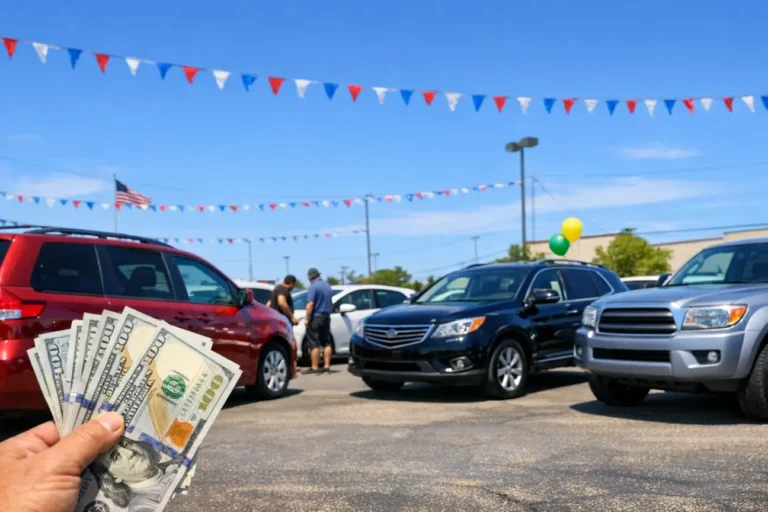
- First-store outlay: wrote a $2.8M check (down payment + operating capital), paid $2.5M in blue sky and $3.9M for real estate; targeted total deals at or under $10M.
- Operating capital: aimed for roughly $600,000, still experienced wide cash swings.
- OEM approval track record (as reported): 260% and 270% market penetration at prior stores, 24 consecutive President’s Awards, and 6%–8% net-to-sales profitability.
Playbook to buy and fix a small franchise store
- Save aggressively: avoid lifestyle creep; build liquid reserves to self-fund without partners.
- Choose smaller deals: keep total enterprise (blue sky + real estate) ≤ ~$10M to be a credible buyer for overlooked stores.
- Pre-build OEM approval: exceed 100% sales effectiveness and maintain top-tier CSI long before applying.
- Overprepare for cash volatility: secure ample operating capital and a personal sweep account as backup.
- Lead hands-on: act as dealer principal and interim GM; reconfigure the office to face the showroom; meet customers.
- Expect day-one surprises: licensing/inspection delays, thin staffing, and weaker systems than represented.
- Leverage relationships: use social media and industry networks to source inventory and recruit technicians; OEM allocations can lag 45–60 days.
- Be transparent and performance-driven: share financials with the team; tie advancement to results, not loyalty alone.
- Manage vendor leverage: negotiate fees but recognize single-point stores have less bargaining power than groups.
Early challenges and responses
- Cash stress: frequent balance checks; undercapitalization cited as a common first-time failure point.
- Staffing gaps: fewer experienced techs and salespeople than expected; rapid recruiting and process resets required.
- Administrative delays: initial days without the ability to sell or perform state inspections.
- Vendor costs: unexpected DMS integration fee despite retaining the same platform.
- Inventory shortfalls: bridged via Facebook/LinkedIn outreach and peer dealers; OEM assistance took time.
Results and message
Despite thin staffing, limited bank relationships, and startup delays, the store nearly matched the prior dealer’s monthly sales within a week and reportedly posted a profit in its first full month, attributed to processes, pace, and culture. The broader guidance to aspiring owners: save for years, define a realistic deal size, build OEM-approval metrics in advance, hold extra operating capital, and plan for operational turbulence on day one.