
Overview
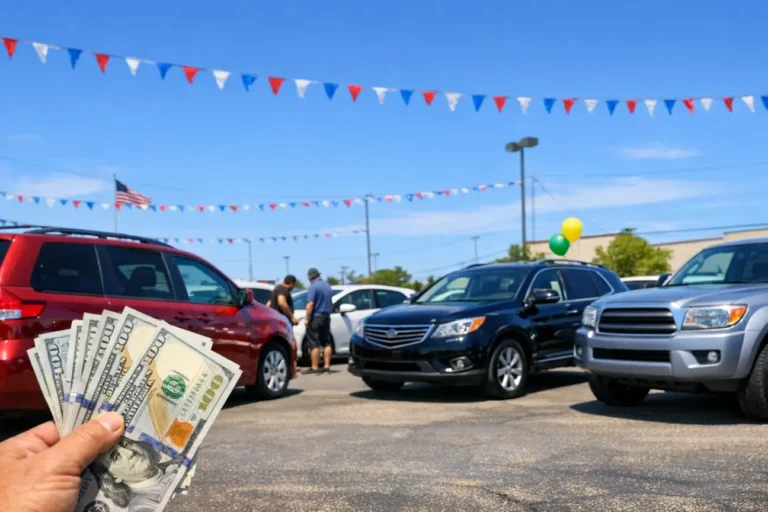
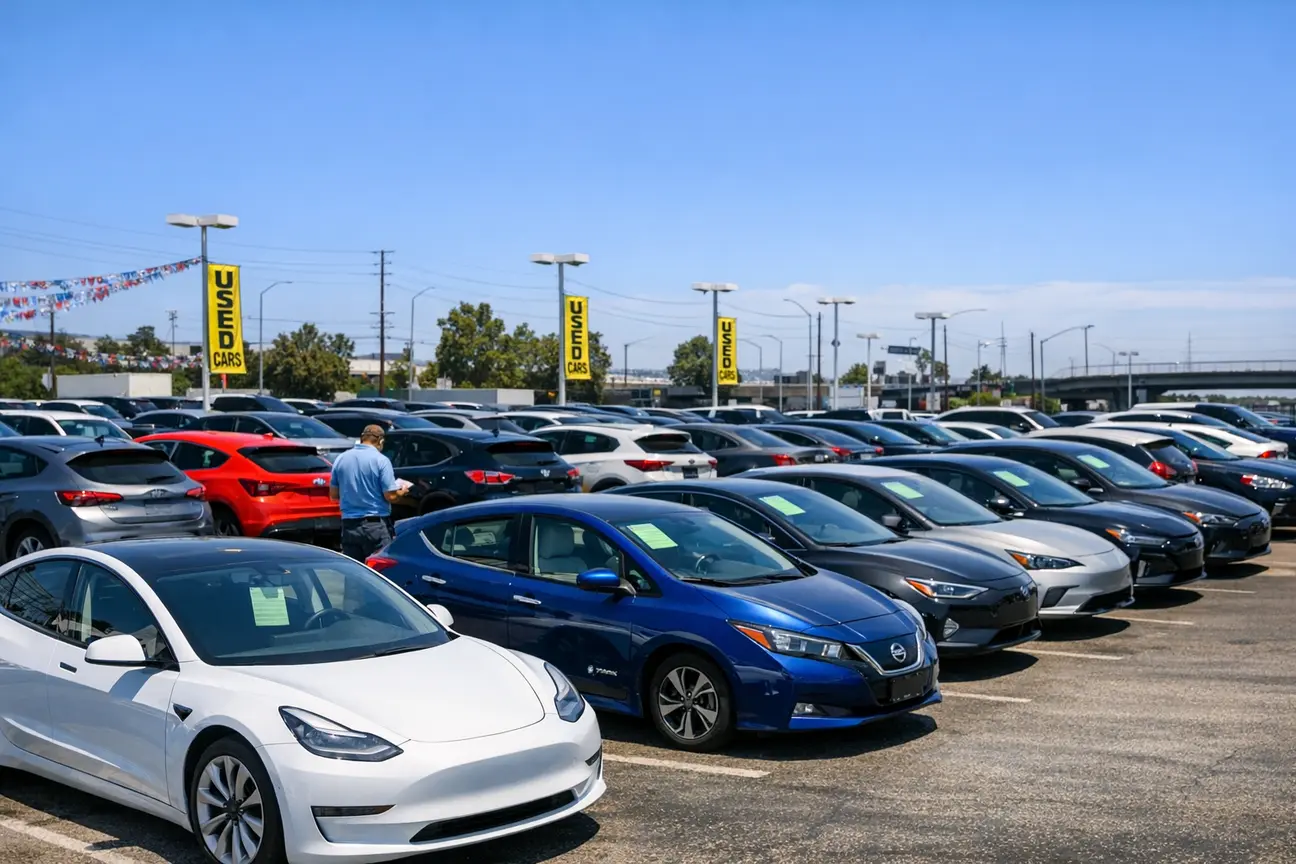
A large wave of off-lease electric vehicles (EVs) is set to enter the U.S. used market over the next two years, putting downward pressure on prices and expanding dealer inventories. The surge traces to inexpensive leases that took off in 2022 when automakers leveraged an Inflation Reduction Act (IRA) provision that treated leases as commercial sales, enabling full federal incentives regardless of content rules. In many states, those federal savings stacked with local subsidies, creating unprecedentedly low monthly payments.
Why a surge is coming
- Under the IRA, leases qualified as commercial transactions, so vehicles could access the full federal incentive without North American content requirements.
- Automakers and lessors often passed the full credit through to customers, then combined it with generous state programs (e.g., Colorado, California).
- Lease volumes spiked starting in 2022; typical 24–36 month terms concentrate returns into a tight window.
- Additional leasing activity before changing subsidy rules in late 2025 further bunches maturities a few years later.
Expected timeline
- Late 2024: First big wave of lease returns began.
- Next 12–24 months: Steady ramp of off-lease EVs hitting lots and online marketplaces.
- 2028: Potential crest in maturities due to clustered 2025 lease originations.
Market impacts
- More supply of similar EVs at once tends to push used prices lower, especially in segments already seeing faster depreciation.
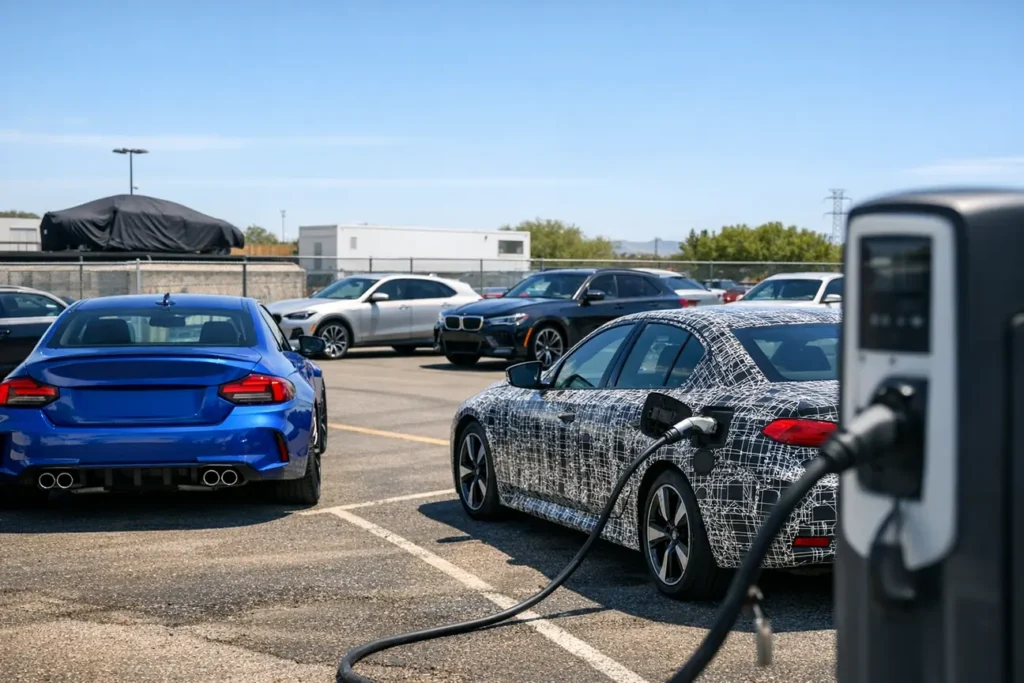
- Dealers (franchise and independent) will list more 2–3-year-old EVs, often still under battery/powertrain warranties.
- Greater choice may spur competitive pricing and occasional promotional financing.
- Over time, broader ownership experience could stabilize residuals if reliability perceptions continue to improve.
Battery performance and depreciation
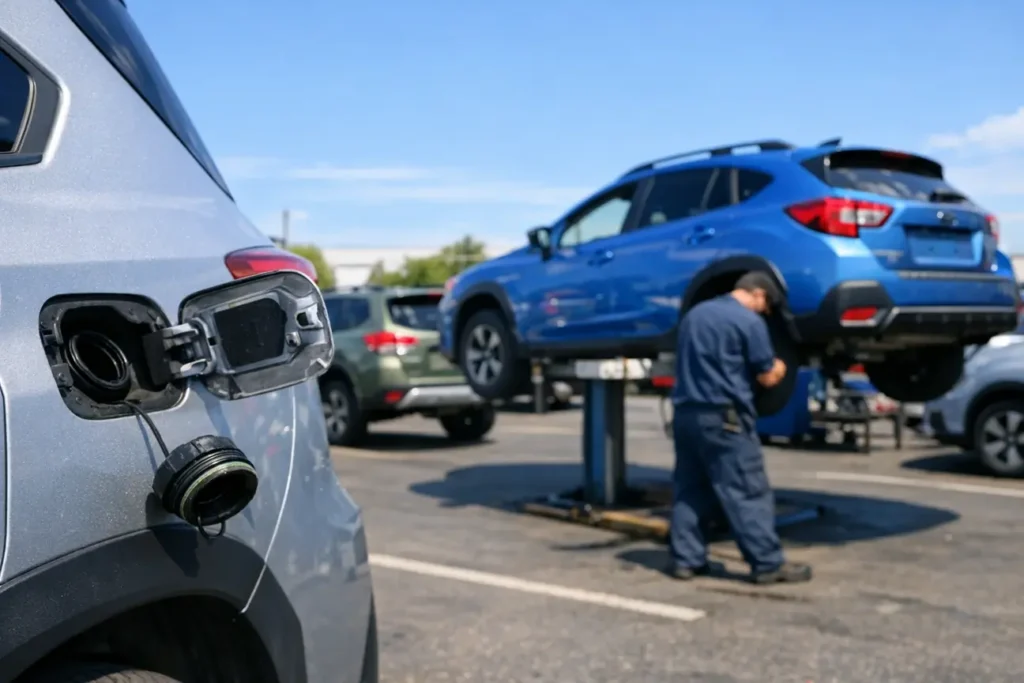
Concerns about battery longevity have historically weighed on used EV values. Field experience suggests many packs hold up well, with early exceptions like the first-generation Nissan Leaf. Newer models often feature improved thermal management and robust warranties, which can reassure second owners and narrow the valuation gap versus comparable gasoline cars.
Who stands to benefit
- Budget-minded shoppers who were priced out of new cars (average new transaction prices around $50,000) may find compelling values.
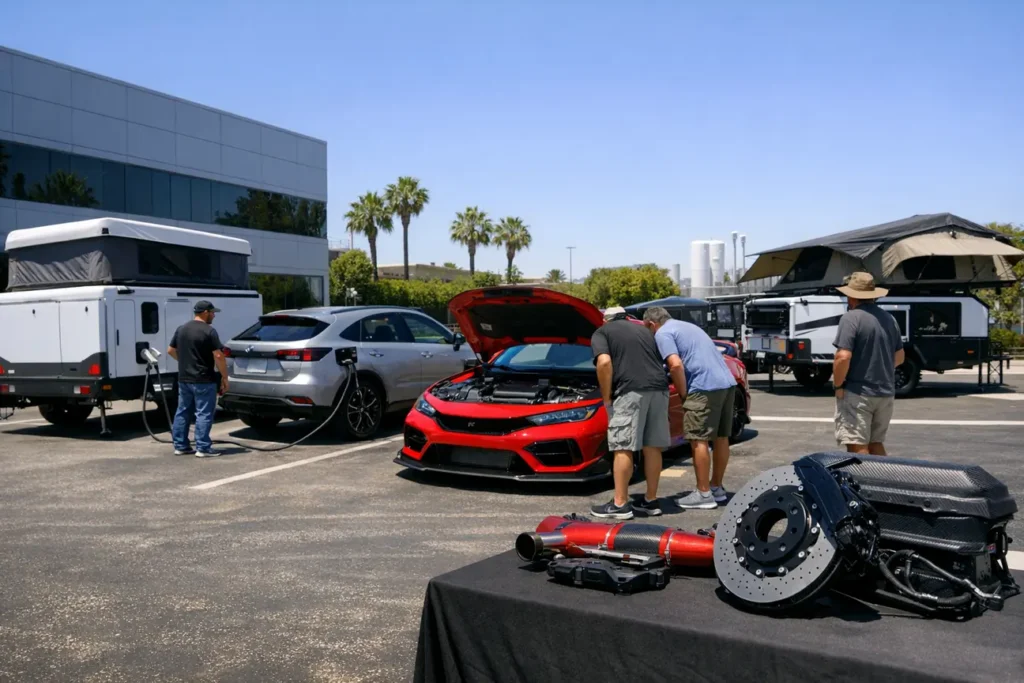
- Urban/suburban drivers with home or workplace charging, whose needs align with shorter-range, entry-level EVs returning from lease.
- Dealers adjusting inventory mix and pricing strategies to meet rising interest in discounted used EV options.
What to watch
- Changes in federal and state incentive policies that could alter future lease economics.
- The speed at which buyers absorb the added supply and its effect on pricing.
- Trends in residual values as more real-world reliability data accumulates.
- Warranty transfer terms and battery health transparency for second owners.
Practical tips for shoppers
- Request a battery health report and review any thermal management features for the specific model/year.
- Confirm transferable warranty coverage, especially for the traction battery.
- Evaluate charging access (home/work) and match daily range needs to vehicle capability.
- Compare total ownership costs (insurance, charging, maintenance) across multiple models and sellers.
- Prioritize later model years with stronger battery thermal management where possible.