
Overview
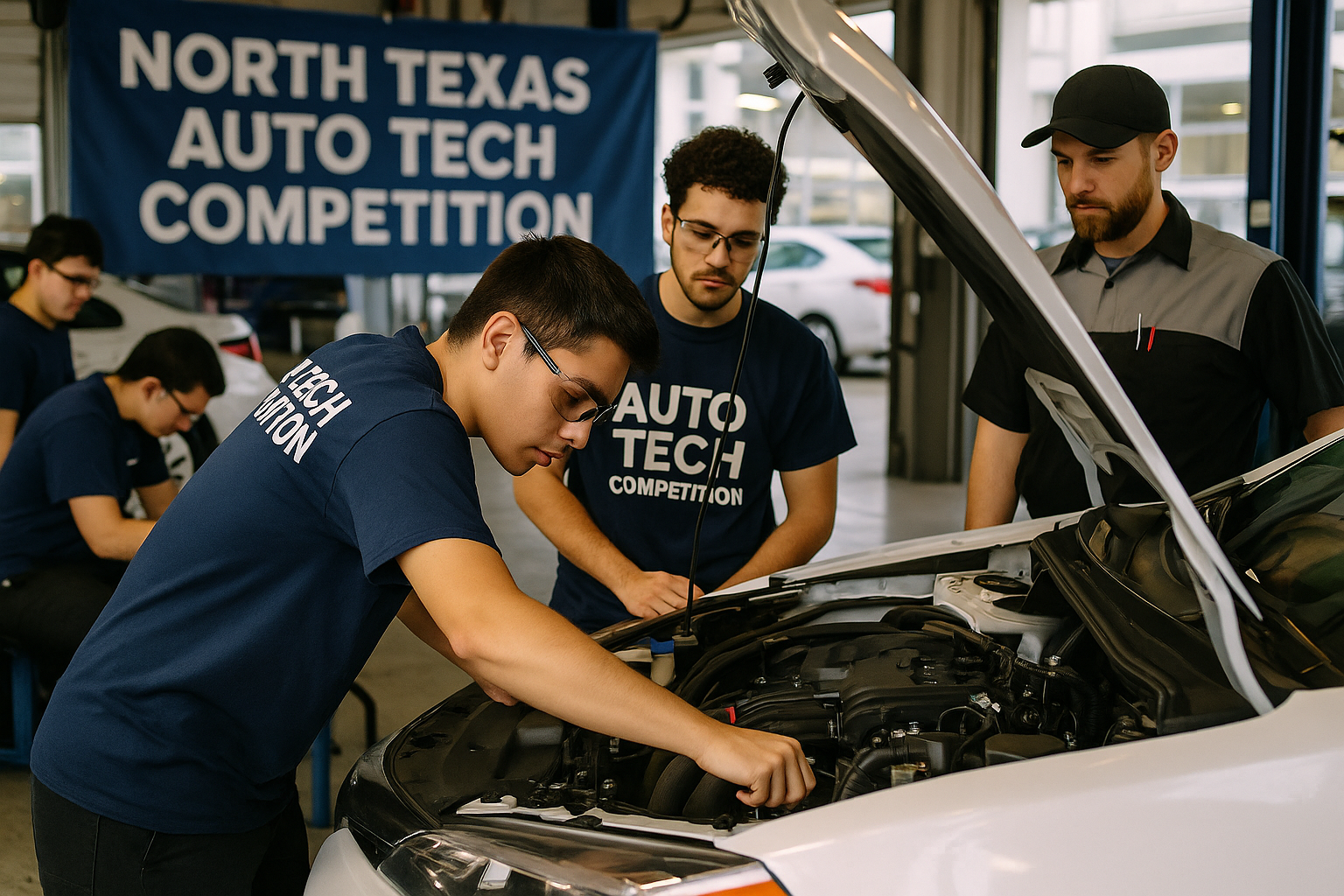
A record-setting field of 64 schools converged at Texas Motor Speedway for the North Texas Automobile Dealers’ sixth annual two-day auto tech competition, designed by NTXAD to connect students directly with dealership leaders and hiring managers amid a persistent technician shortage.
What Happened
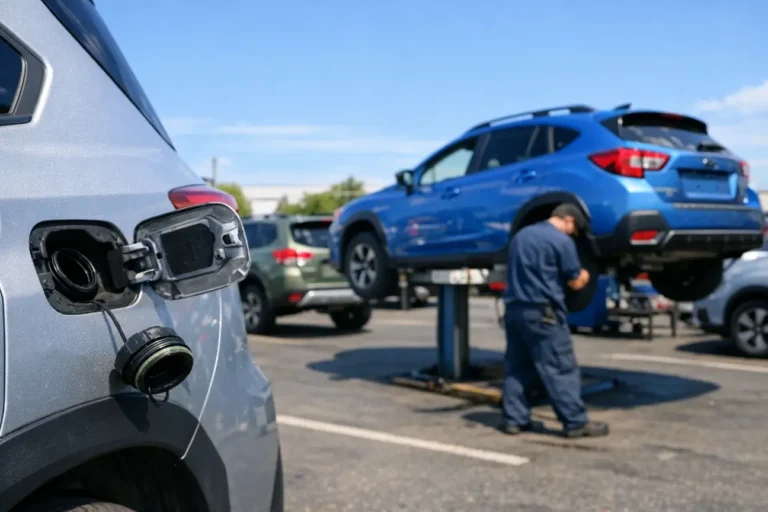
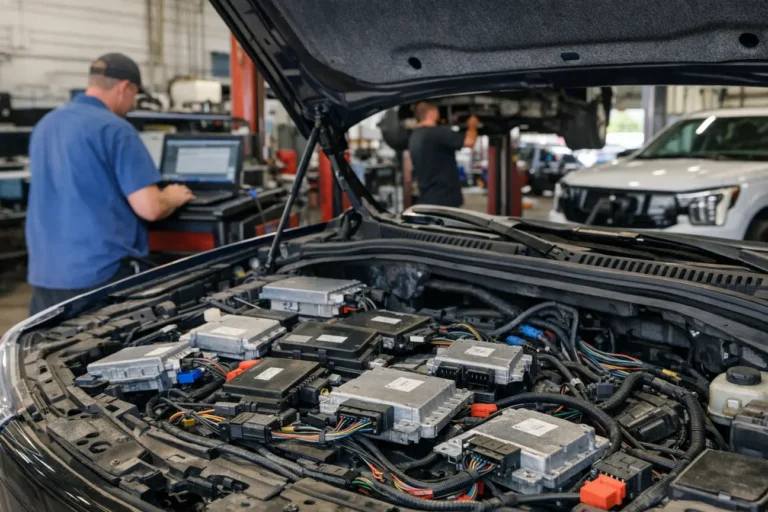
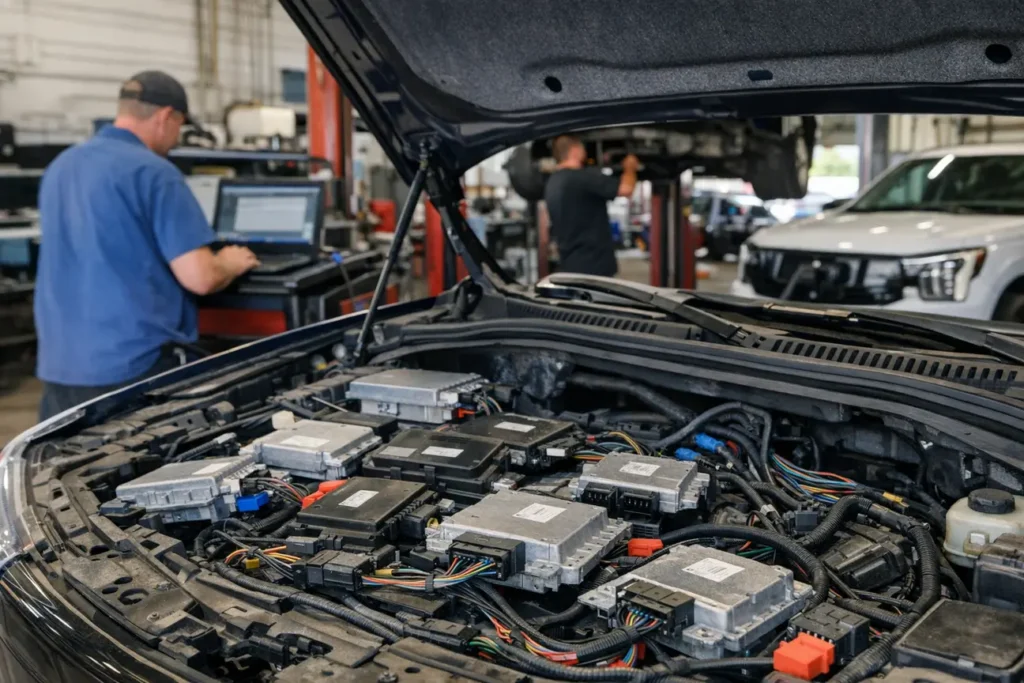
Students rotated through live, dealership-style challenges—diagnosing drivability issues, tracing electrical faults, and completing timed repairs—while a concurrent career fair hosted automakers, dealer groups, and equipment suppliers. Judges scored accuracy, process, and speed, reflecting real service-bay expectations.
Why It Matters
Dealers report urgent demand as vehicles grow more complex, requiring mechanical, electrical, and IT fluency. NTXAD highlighted a tangible pipeline impact: 139 former competitors have been hired by North Texas dealerships over the last two years. Dealers emphasized that retail automotive can offer high-paying, stable careers without the burden of college debt, and elected officials underscored the value of hands-on pathways into jobs.
Results
- 1st: Klein Cain High School — Avery Elijah, William Wilson, Samuel Rosalez
- 2nd: Hollenstein Career and Technology Center — Garrett Reeves, Kain Elmore, Giovanni Sanchez
- 3rd: Allen High School–Collin College — Adrian Mendoza, Erik Camargo, Jose Mejia
Student Opportunities
Winners received Snap-on tools and scholarships to NTXAD’s Fast Track Automotive Technician Training Program and were recognized at a luncheon with dealers and industry leaders. Many students gained on-site interviews, contacts, and in some cases pending offers.
Industry Participation
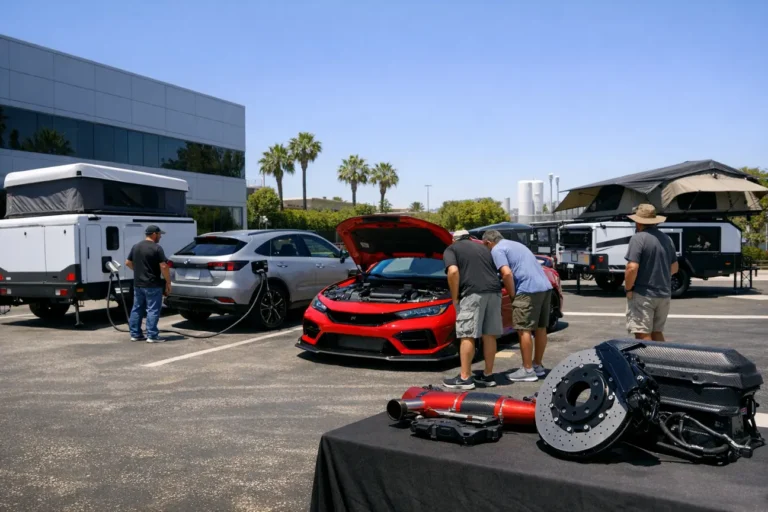
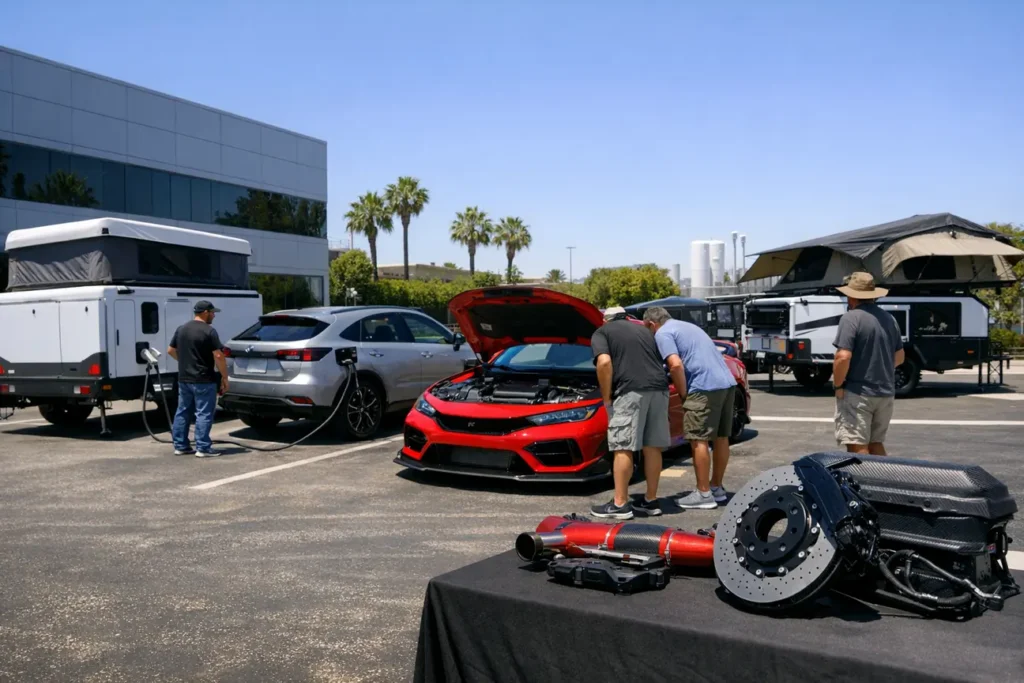
Automakers and equipment suppliers demonstrated diagnostics, telematics, connected service platforms, and ADAS workflows, clarifying how technicians can train and stay current as systems evolve.
Looking Ahead
With its largest, most geographically diverse field yet, the competition helps align classroom instruction with employer-tested skills and expands dealer access to talent beyond immediate metro areas. Organizers plan to track outcomes from the 2025 cohort to pinpoint which elements most effectively drive job placement.