
Summary
Nissan is expanding technology partnerships and reshaping its manufacturing footprint to blunt U.S. tariffs, a core element of its turnaround plan. CFO Jérémie Papin emphasized collaboration and targeted production shifts to stabilize costs and competitiveness, with clear implications for dealers as vehicles become more software-centric.
Partnership strategy
-
Renew and deepen the Renault relationship; talks to refresh the alliance are underway, with potential for new cooperation areas.
-
Explore a collaboration with Honda on software-defined vehicles after merger discussions fell through, focusing on shared software layers and faster feature deployment.
-
Broaden ties with tech firms, including the April announcement with Wayve (U.K. autonomous driving software) to enhance connected services and driver-assistance while sharing rising development costs.
“So much is needed in the auto industry to be competitive today… If you want to be relevant, you will need to cooperate with someone. If you want economies of scale faster or share entry tickets faster, you have to partner,” Papin said.
Tariff management and industrial shifts
Nissan initially expected gross tariff exposure of 450 billion yen (USD 1.77 billion), now revised to around 250 billion yen (USD 1.61 billion) under a 15% tariff, reflecting rate changes and ongoing supply chain adjustments.
-
Increase U.S. output of the Rogue to reduce tariff-sensitive cross-border shipments and bring production closer to customers.
-
Localize parts and rebalance production flows among China, Mexico, Japan, and the U.S. to limit future tariff shocks and protect margins.
-
Aim for steadier delivery pipelines and lower sensitivity to trade volatility.
“Ultimately, what we cannot eliminate as a flow, it will have to be dealt with through cost-cutting, somewhere in the business. Through fixed costs mostly,” Papin noted.
Implications for dealers
-
Opportunities: Greater post-sale revenue via over-the-air updates, subscription features, and data-enabled services; more tech-forward models potentially built in the U.S.
-
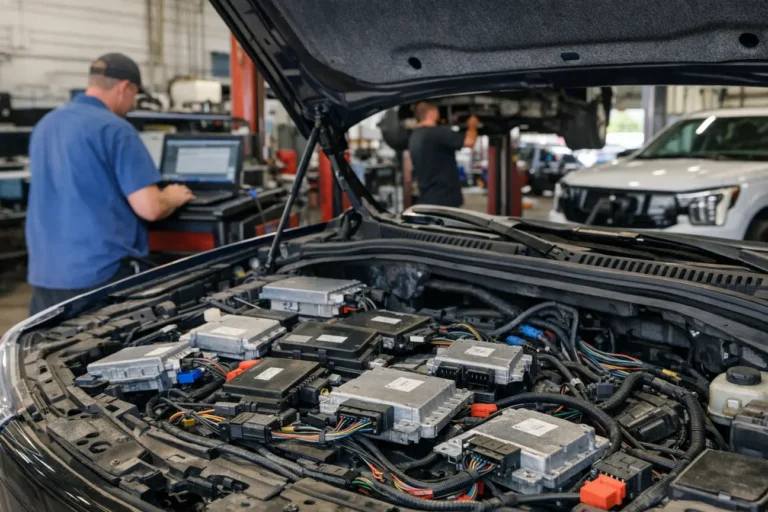
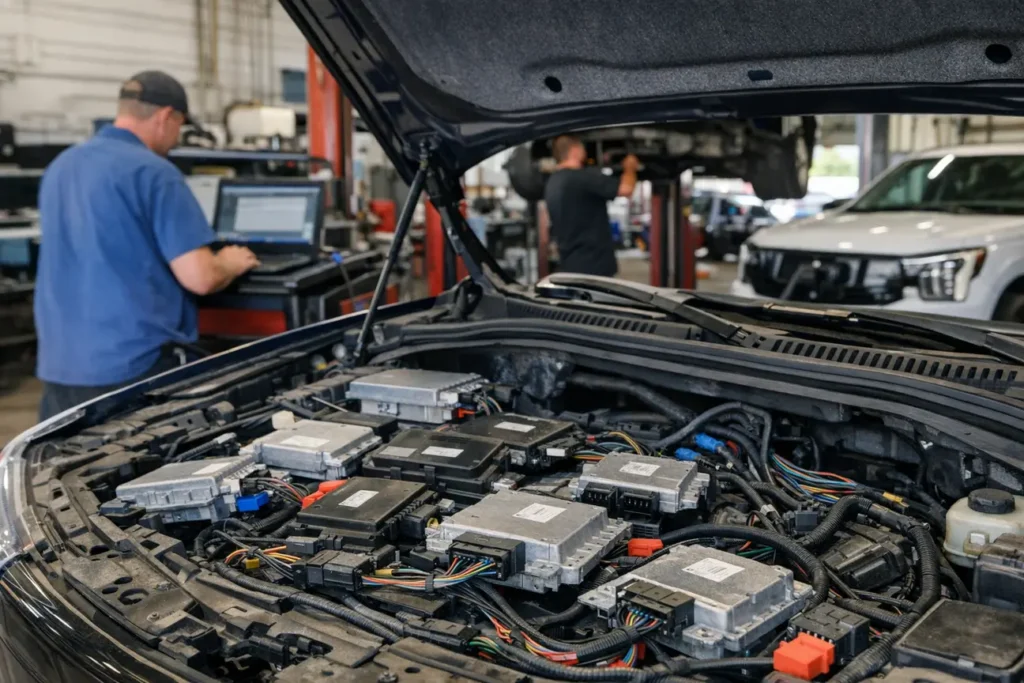
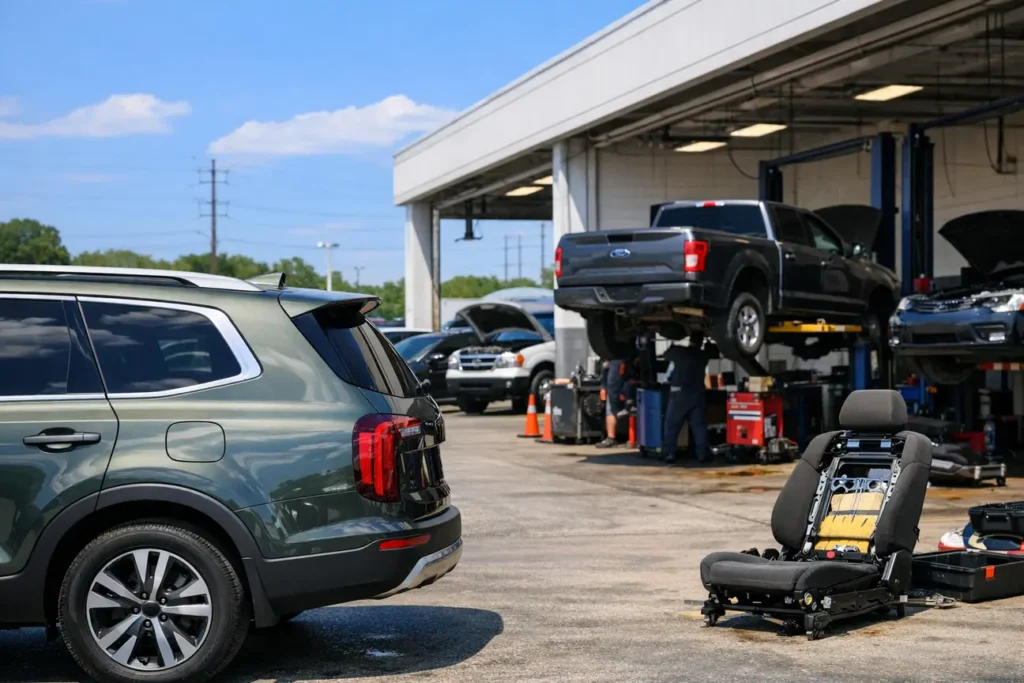
Requirements: Higher employee training levels, upgraded diagnostic and calibration tools, and tighter coordination across sales, F&I, and service to ensure feature adoption.
-
Incentives and costs: Ongoing fixed-cost reductions imply disciplined factory spending; dealers may face constrained incentive budgets and need to rely more on operational excellence, F&I performance, and service-driven profitability.
What to watch next
-
Progress on renewing the Renault alliance and any defined scope for shared architectures and digital platforms.
-
Clarity on a Honda software collaboration focused on common software layers and accelerated feature rollouts.
-
Visible North American production shifts, including increased U.S. Rogue output, supporting steadier allocations and fewer trade-related disruptions.