
Overview
The National Franchised Dealers Association (NFDA) is urging car retailers to intensify direct engagement with lawmakers in 2026 on three pivotal issues: the government’s ZEV Mandate targets, the proposed EV pay-per-mile tax, and a potential FCA redress scheme. The trade body wants dealers to work through its Parliamentary Engagement Programme to ensure MPs understand operational realities across the sector.
The three policy fronts for 2026
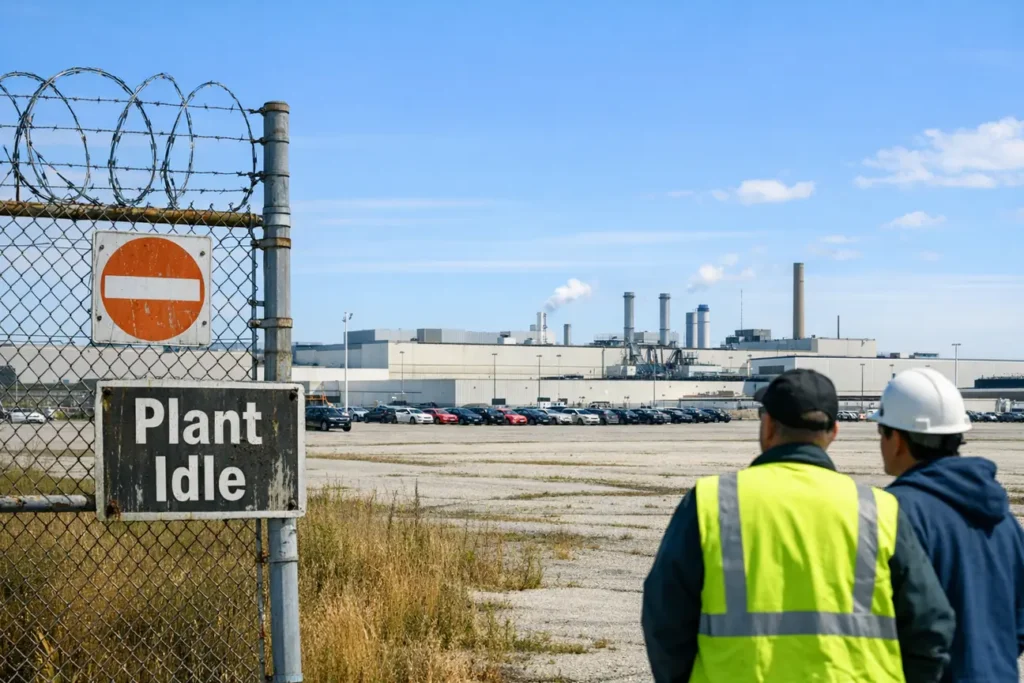
- ZEV Mandate: Annual zero-emission sales targets are tightening, and dealers warn the pace is challenging in a volatile market. Implications include inventory planning, pricing, and customer support as retailers balance transition goals with demand variability.
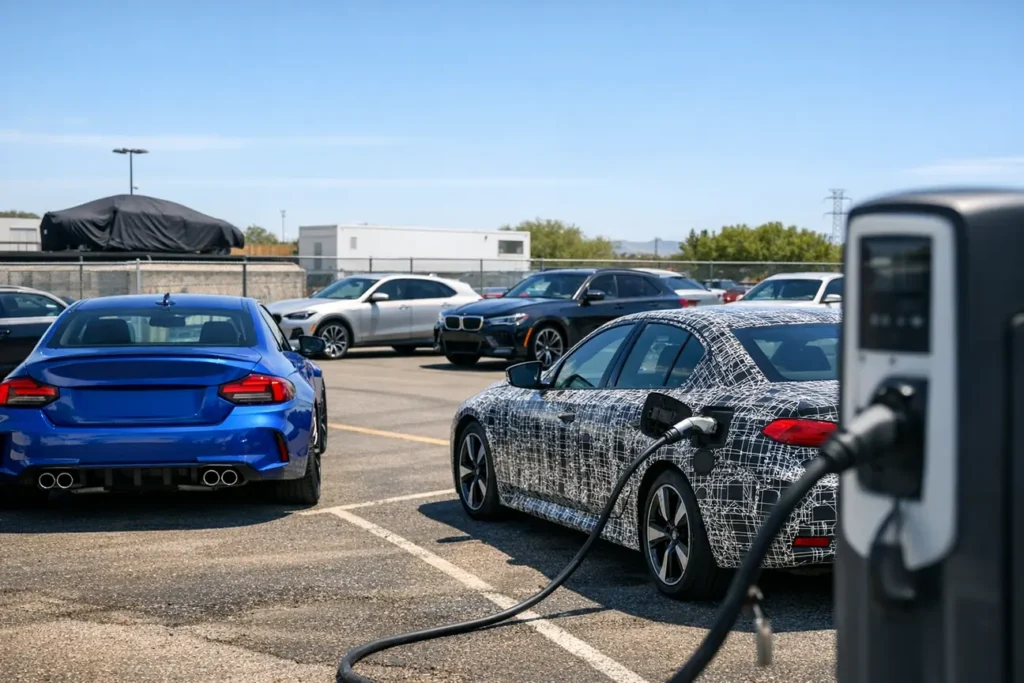
- EV pay-per-mile tax: The Autumn Budget’s announcement raises concerns that added running-cost complexity could dampen demand during a critical phase of EV adoption, making it harder for dealers to present clear total cost of ownership comparisons.
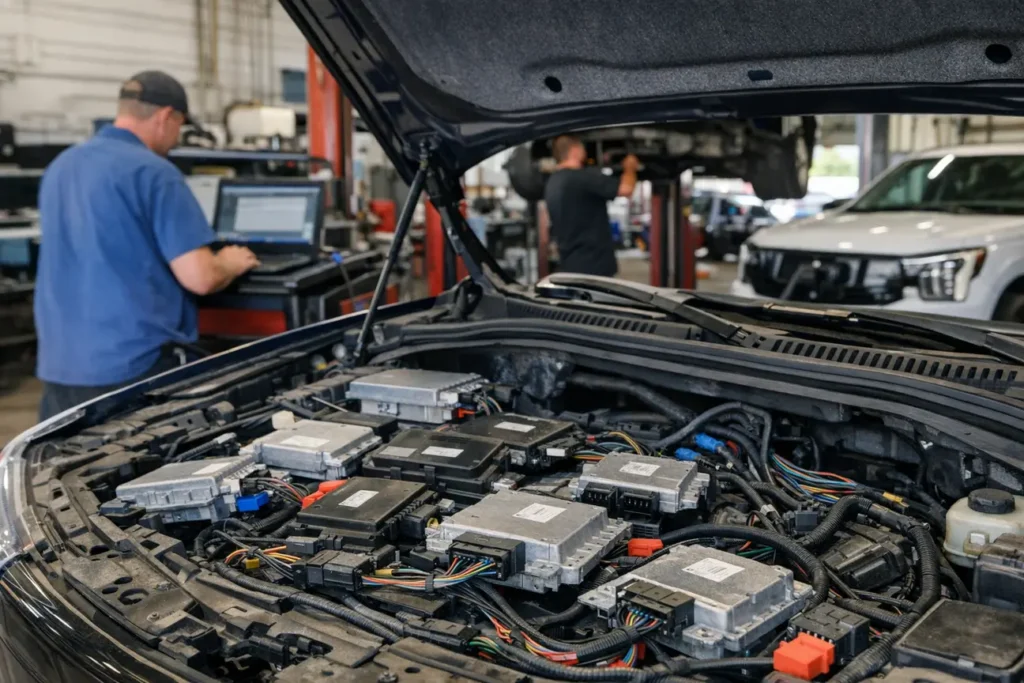
- FCA redress scheme: Uncertainty over potential liabilities tied to past finance and insurance practices poses operational and financial risks, especially for groups with large back books, prompting calls for visibility and input before any scheme is finalized.
NFDA’s engagement push
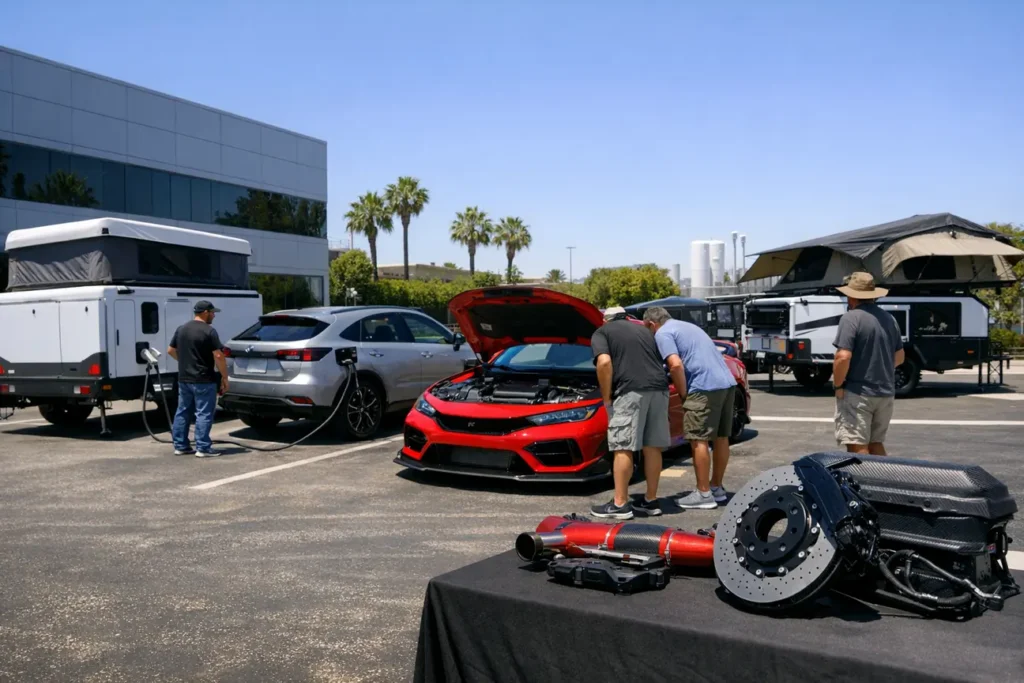
Building on constituency visits in which MPs met dealership leaders and staff, NFDA encourages more retailers to host on-site meetings to show how policies affect real businesses. The programme includes a parliamentary dinner to sustain dialogue with MPs and members of the House of Lords. NFDA has also pressed for a re-evaluation of the ZEV Mandate and is maintaining formal correspondence alongside local outreach.
Why it matters for retailers
- Policy timelines and market conditions intersect in 2026, increasing the stakes for stocking decisions, charging and service investments, and consumer education.
- Retailers act as the main interface between manufacturers and consumers; poorly calibrated policy can heighten inventory risk or slow adoption.
- The sector employs 600,000 people across the UK, so policy effects extend into aftersales, parts, logistics, and local economies.
Suggested dealer actions
- Invite local MPs for site visits via the Parliamentary Engagement Programme to discuss dealership operations and community impact.
- Share evidence on demand trends, charging experiences, and total cost of ownership to inform policy decisions.
- Detail investments and changes made to support EV sales, charging, and servicing.
- Offer practical input on calibrating ZEV targets, structuring EV taxation to support adoption, and designing any FCA redress scheme to be fair and manageable.
Outlook
NFDA plans continued constituency engagement and formal dialogue with government as ZEV targets tighten and clarity on EV taxation and redress emerges. The goal is to align policy with market realities so the transition advances without undermining retailer viability or consumer confidence.