
Executive Summary
Cox Automotive used the 2026 NADA show to urge dealers to move faster on AI adoption, prepare for a surge of off‑lease used EVs, and refine inventory strategies ahead of the spring selling season. Speakers emphasized practical AI that augments staff, data connectivity across systems, consumer discovery shifting to AI tools, and a tight‑supply market supported by larger tax refunds.
AI: From pilots to practical tools
Leaders framed AI as supervised, role‑based agents working alongside people, with the differentiator being connected, high‑quality data. Success depends on people and process as much as software, with change management and clear “what’s in it for me” benefits driving adoption.
Reported performance impacts (as cited in the article)
- VinSolutions users with generative AI convert 26% more appointments. [claim]
- Deal Central’s AI desking delivers +15% back‑end profitability and +17% productivity. [claim]
- On consumer platforms: Autotrader’s AI mode generates 3x more leads than standard search; its shopping assistant drives 6x more lead conversion; smart, natural‑language search increases lead rates by 50%+. [claim]
- Dealers that have fully adopted AI are 50% more likely to report revenue growth, efficiency gains, and higher profitability. [claim]
Consumer expectations vs. dealer readiness
More than 80% of consumers expect to use AI meaningfully in their next car‑shopping journey, while only 37% of dealers see AI as important to operations. As research begins in AI tools (e.g., ChatGPT), consistency across listings and channels and Generative Engine Optimization (GEO) are critical to maintain visibility.
Market outlook and inventory priorities
Cox Automotive’s economists forecast strong dealer profitability supported by tight supply and firm pricing. Average tax refunds above $4,000 (about $750 higher than prior years) may lift demand. The top priority: get inventory right ahead of the refund wave, with the right price points and mix to capture peak demand. Wholesale efforts aim to unify physical and digital auctions to reduce friction and guesswork.
Used EV surge and playbook
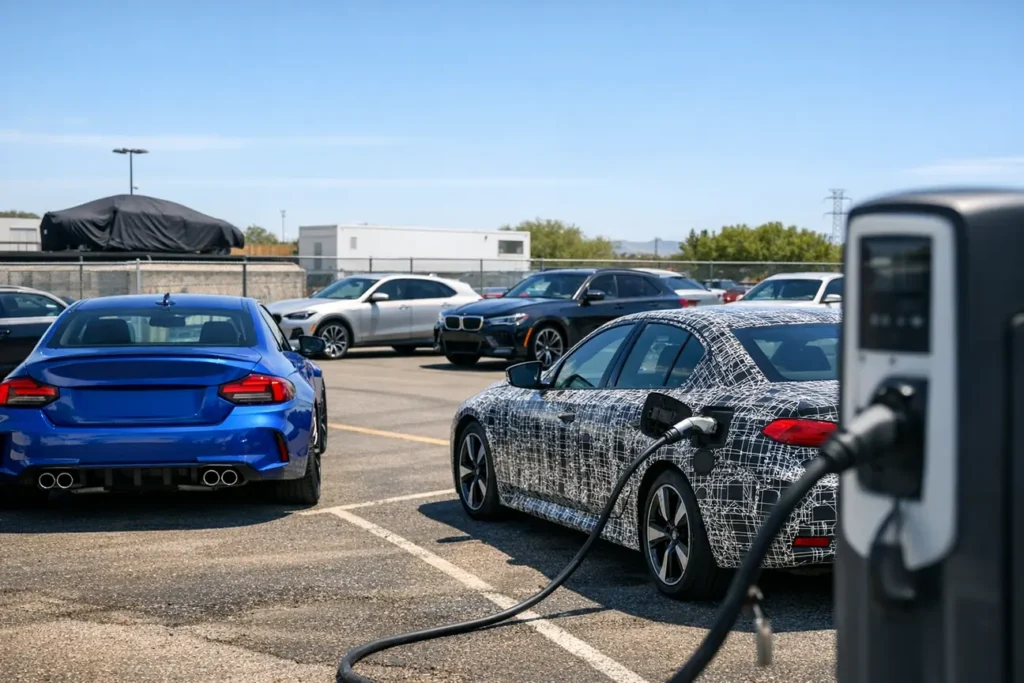
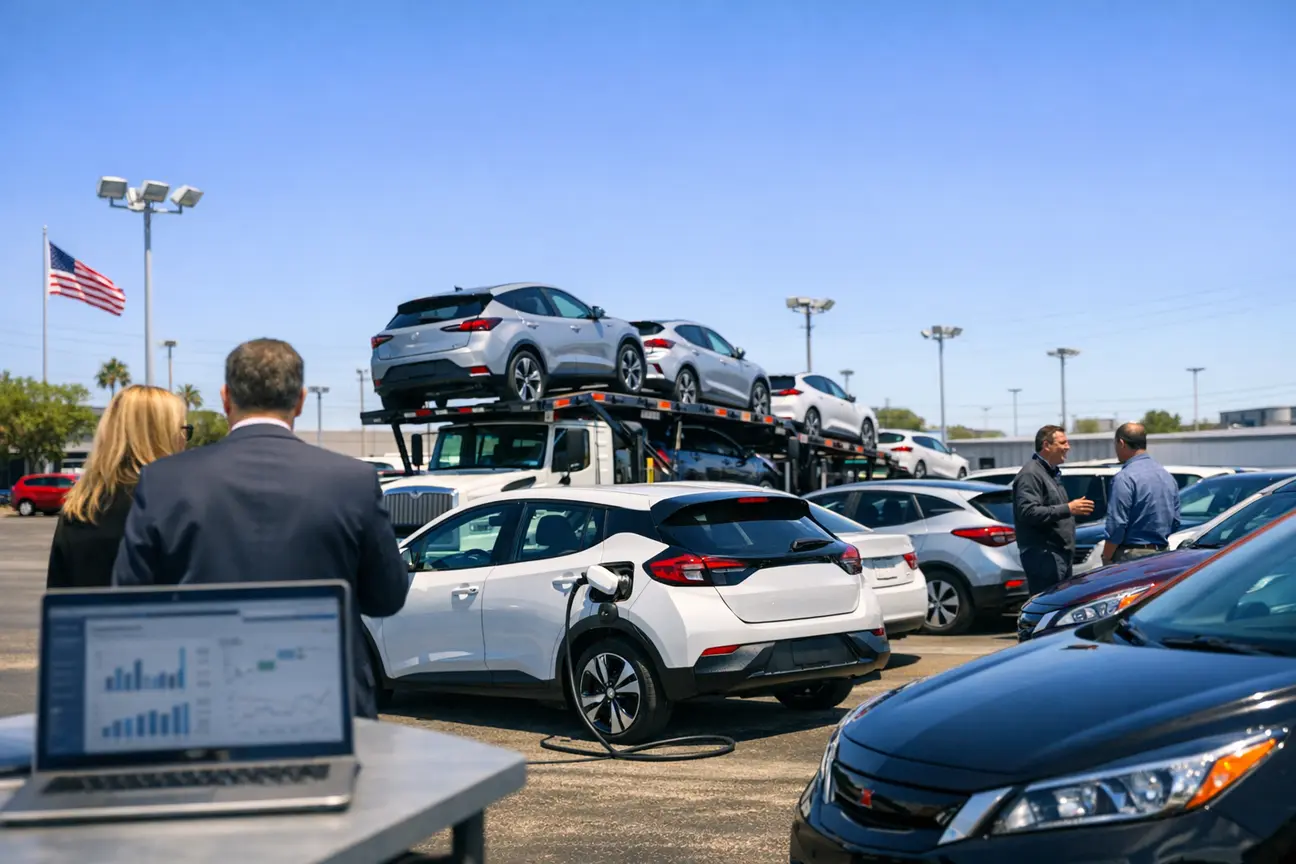
- Off‑lease EV volume is projected to climb 185% in 2026, from 106,000 to 300,000 vehicles; EVs to reach 12% of all off‑lease maturities (up from 5% in 2025). [claim]
- Opportunity in sub‑$25,000 used EVs, including in states like Virginia, Ohio, Kentucky, and Oklahoma.
- Winning stores invest in training, encourage staff to drive EVs, and use battery‑health scoring to educate customers and build confidence.
- Messaging on lower total cost of ownership can resonate with budget‑minded buyers.
Recommended dealer actions
- Start small with one high‑impact workflow for AI (e.g., lead response, desking, service triage), measure results, then scale.
- Connect data across CRM, DMS, inventory, service, and marketing so AI agents can coordinate and add value.
- Prepare for GEO: ensure consistent specs, pricing, availability, and media across all listings and channels; craft content that answers natural‑language queries.
- Plan inventory for refund season: stock the right price bands and trims before demand peaks.
- Build a used‑EV strategy: source sub‑$25K models, train teams, standardize battery‑health explanations, and offer transparent TCO comparisons.
- Simplify wholesale operations by leveraging unified physical/digital channels to reduce time and uncertainty.
Bottom line
The message was to act now: technology advantages compound, consumer behavior is already shifting to AI‑driven discovery, and a wave of used EVs is imminent. Dealers that implement, iterate, and scale early wins in AI and used‑EV operations are positioned to widen performance gaps in 2026.