
Summary
Lithia Motors’ CEO Bryan DeBoer said the company is not planning to retail China-based auto brands in the United States (or likely Canada) in the near term. The reasoning centers on cost and return on investment under restrictive North American franchise rules—not politics or consumer backlash.
Key points
- Lithia already sells three China-based manufacturers in the U.K. across at least 10 stores.
- In the U.S., state franchise laws often require standalone facilities and OEM approval, increasing capital needs and elongating payback periods.
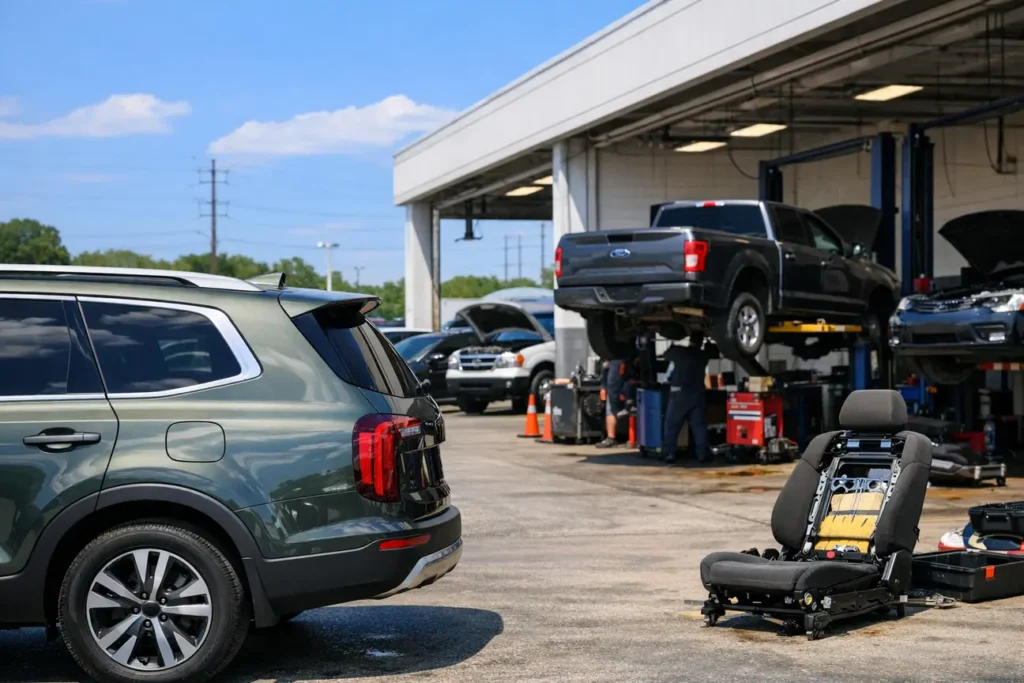
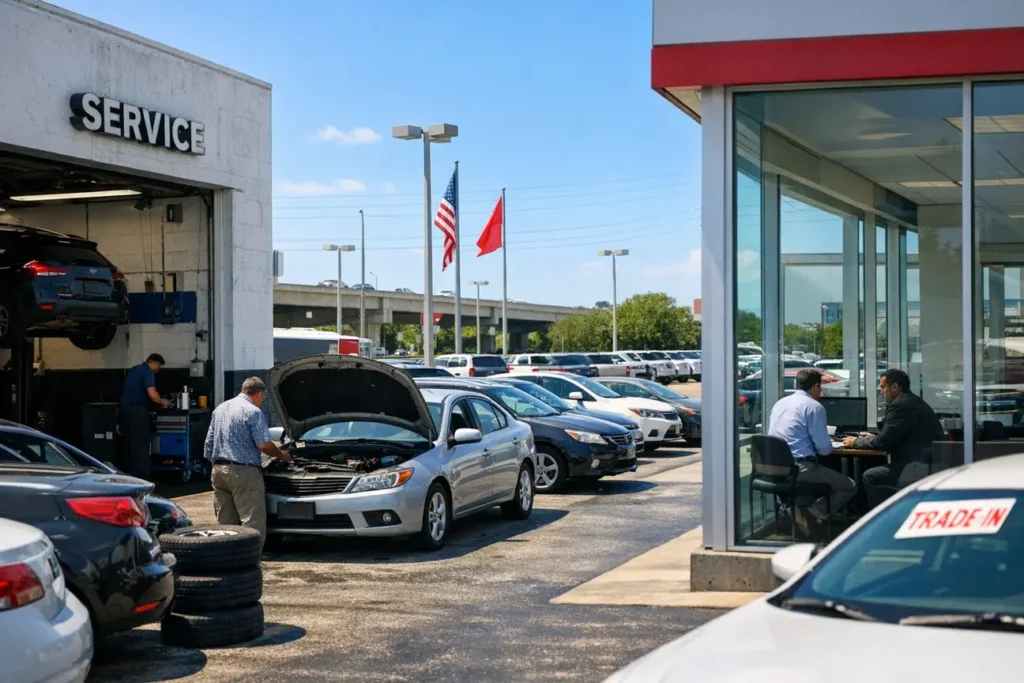
- Service and parts account for roughly 50%–60% of Lithia’s profits; launching a new brand domestically would require building a service backbone from scratch.
- Lithia remains open to future opportunities as conditions evolve and is maintaining relationships with multiple Chinese brands.
Why the U.S. is different
State-level franchise rules give automakers significant control over how and where brands are sold. Dealers generally can’t colocate direct competitors without brand approval, pushing them toward standalone showrooms and service operations—raising up-front investment, slowing profitability, and increasing risk if early sales lag.
How the U.K. model enables faster entry
The U.K. allows “dueling of franchises,” letting dealers present competing brands in a single showroom. That flexibility enables Lithia to test new Chinese nameplates at low incremental cost and scale with demand.
- Example: Adding a brand like Chery can require less than $100,000 of investment when slotted into existing facilities.
Broader context
- China-based automakers have increased global market share by nearly 70% over five years.
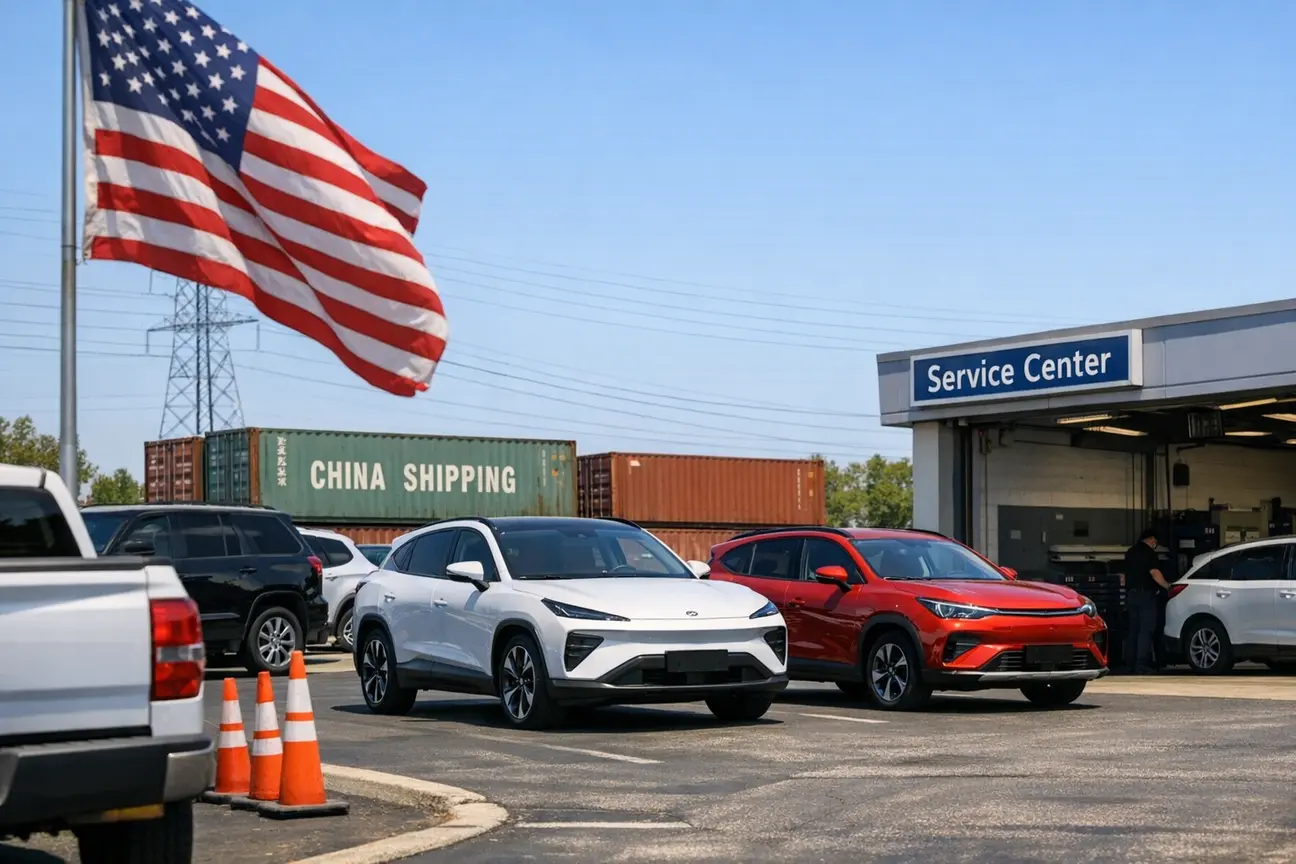
- Chinese-built vehicles already reach U.S. showrooms via other badges (e.g., Buick, Volvo), but no Chinese brands (e.g., BYD, Nio) sell under their own names in the U.S.
- Canada is being eyed as a North American entry point, but Lithia cites similar franchise and infrastructure constraints there.
Implications
Winning U.S. showroom space hinges on dealer economics: sustainable service traffic, reliable parts pipelines, and manageable capital intensity. Without multi-brand flexibility, early adoption by large public retailers remains unlikely, suggesting initial U.S. inroads may come via different dealer structures or evolving franchise arrangements.
Outlook and financial backdrop
Lithia will continue monitoring opportunities and engaging with Chinese manufacturers while prioritizing returns and cash flow. The company reported annual growth of 4% in revenue and 3.1% in gross profit, underscoring discipline as it weighs new ventures against core performance.