
Summary
Regional auto finance and retail are shifting quickly as a longtime subprime lender exits originations, a digital-native retailer adds a franchise store, and an automaker expands certified pre-owned sales on a major marketplace. Dealers, meanwhile, are leaning harder on finance-and-insurance and fixed operations amid affordability pressures.
Key takeaways
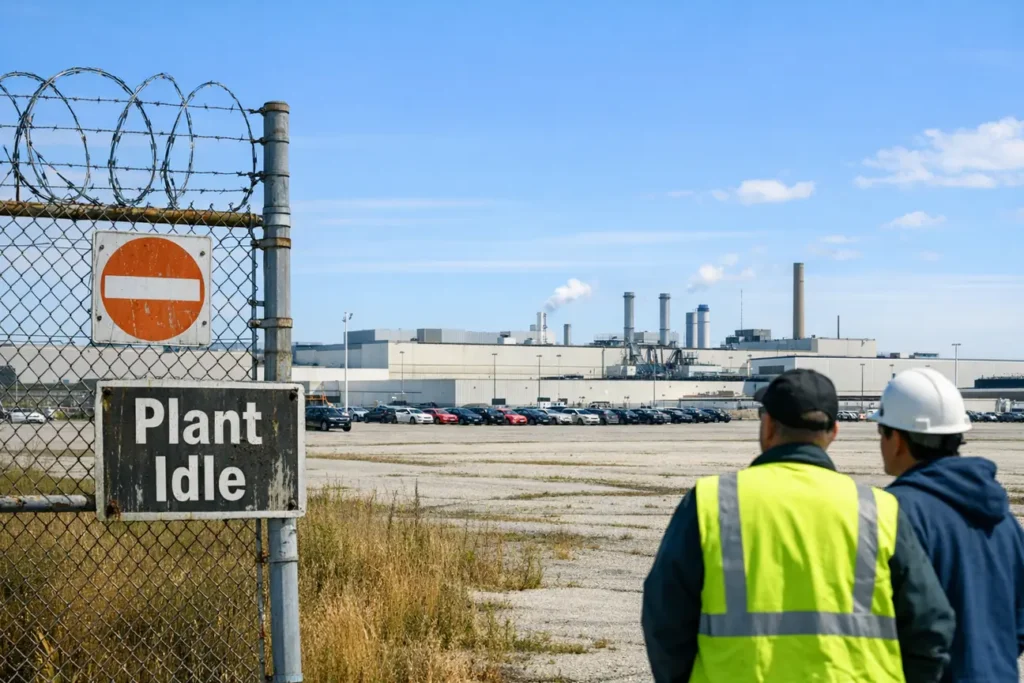
- Prestige Financial Services stopped accepting new auto loan applications effective Nov. 20, 2025, pivoting to servicing and funding only in-house or in-transit contracts through month-end.
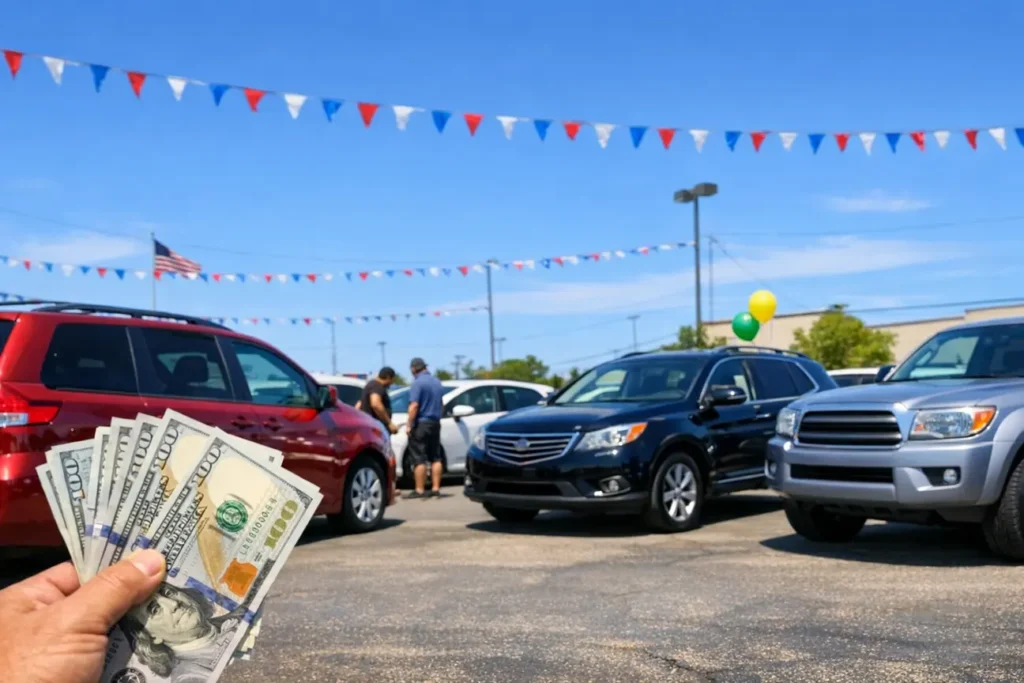
- Carvana acquired Mission Valley Chrysler Dodge Jeep Ram in San Diego, extending a hybrid strategy that blends digital channels with physical retail and wholesale assets.
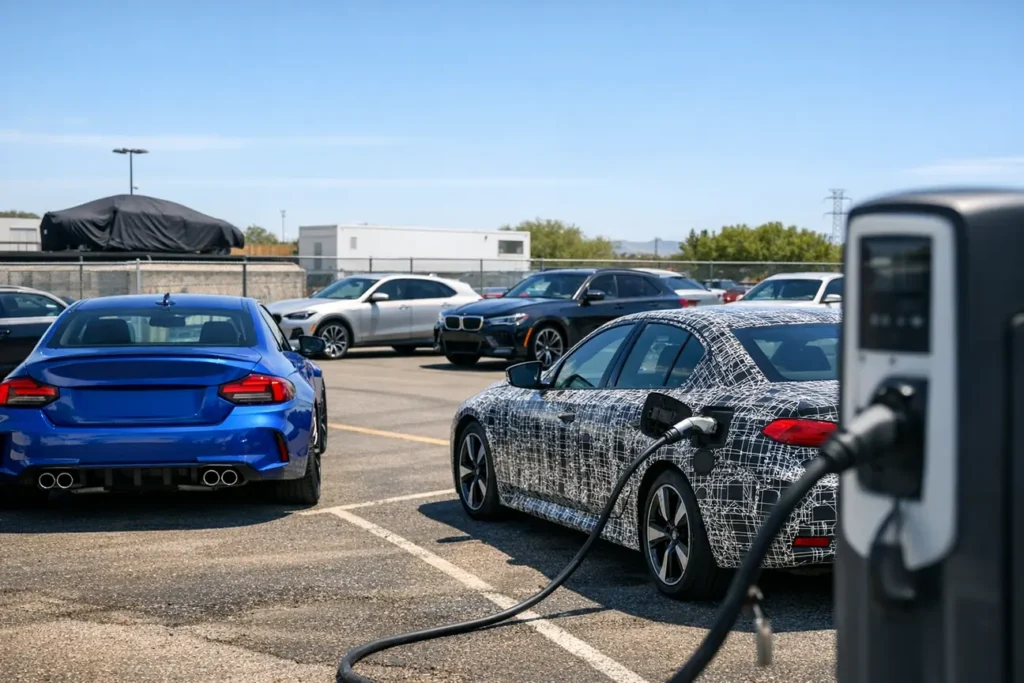
- Ford + Amazon Autos: Ford is listing Ford Blue Advantage certified pre-owned vehicles on Amazon, enabling browse-to-purchase with pickup at participating dealers and no-haggle pricing.
Prestige Financial’s pullback
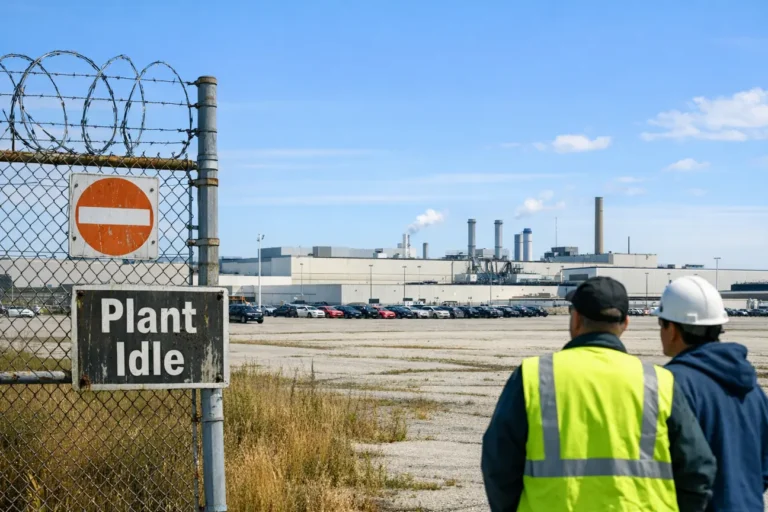
The lender, owned by the Larry H. Miller Company, has halted new originations after three decades, citing an internal memo that states it will not accept credit applications beginning Nov. 20, 2025, and will fund contracts already in-house or in transit through the end of the month. Reports suggest deep layoffs tied to the change, though these accounts are unconfirmed.
The move is notable because Prestige has been a long-running subprime lender, a segment vital to sales volumes when affordability tightens. It follows a period of higher interest rates, rising delinquencies, and weaker used-vehicle values that have pressured nonbank auto finance companies, especially those concentrated in higher-risk tiers. Prestige plans to continue servicing its existing portfolio.
Digital-physical convergence: Carvana’s latest move
Carvana purchased Mission Valley CDJR in San Diego, its third Chrysler-Dodge-Jeep-Ram store acquisition since February, complementing a local vehicle vending machine (opened early 2024) and an ADESA wholesale auction site in Otay Mesa. Adding a franchise store gives Carvana more levers to manage inventory and reconditioning locally while offering customers multiple touchpoints for delivery or pickup.
The growing regional footprint—spanning retail, wholesale, and branded pickup—signals a broader push to blur lines between digital and physical channels, even as the absolute store count remains modest compared with traditional dealership groups.
Ford expands e-commerce via Amazon Autos
Ford, the second automaker on Amazon Autos after Hyundai, is listing Ford Blue Advantage certified pre-owned vehicles on the platform. Shoppers can browse, finance, and purchase online, then pick up at participating Ford dealers. The program includes fixed, no-haggle pricing, multi-point inspections, warranty coverage, and a money-back guarantee.
About 160 Ford dealers have enrolled, with early pilots live and more markets rolling out. Initial launch cities include Los Angeles, Seattle, and Dallas, with expansion planned. Ford will assess whether CPO traction could eventually justify adding new-vehicle sales to the platform.
Dealer economics: F&I strength, fixed ops focus
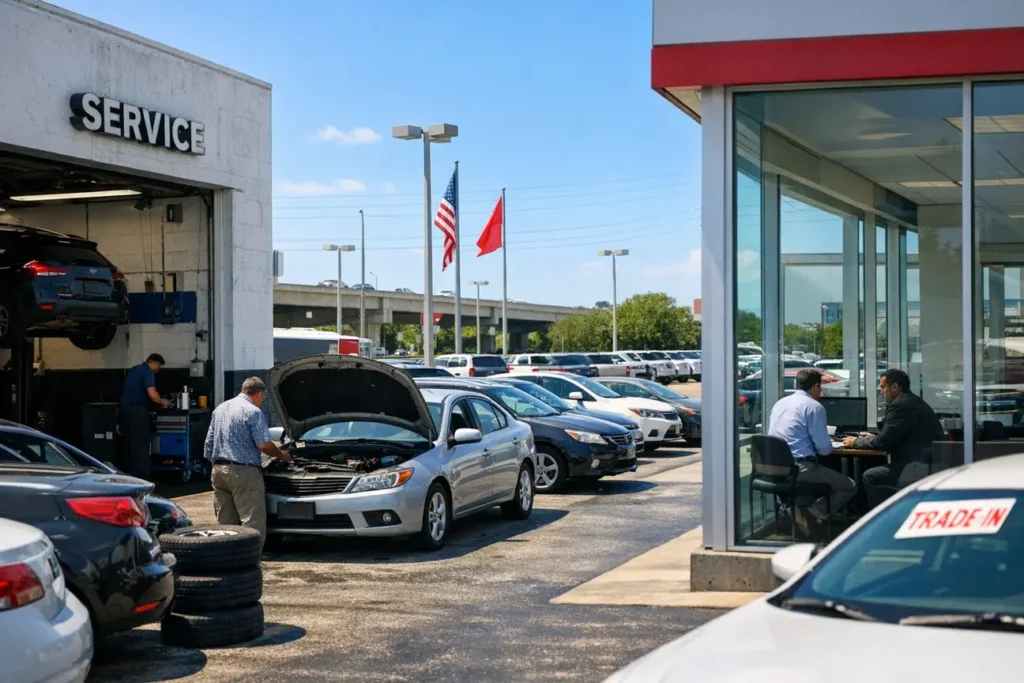
Per-vehicle F&I profit reached its highest level since 2022 in the third quarter even as new-vehicle gross margins continued to slip. Nearly one in five new-car buyers took on monthly payments of $1,000 or more, and tariffs added cost pressure. The publication also noted some buyers turning to short-term mortgages to complete purchases. Improved service contract and GAP performance helped lift F&I results.
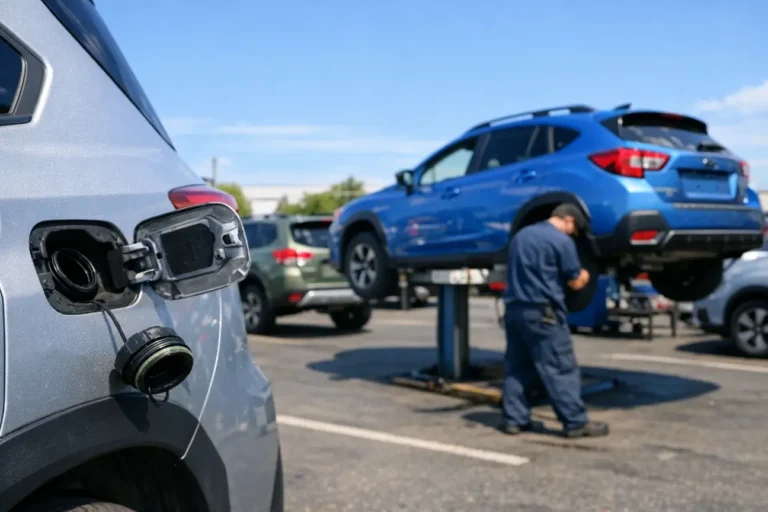
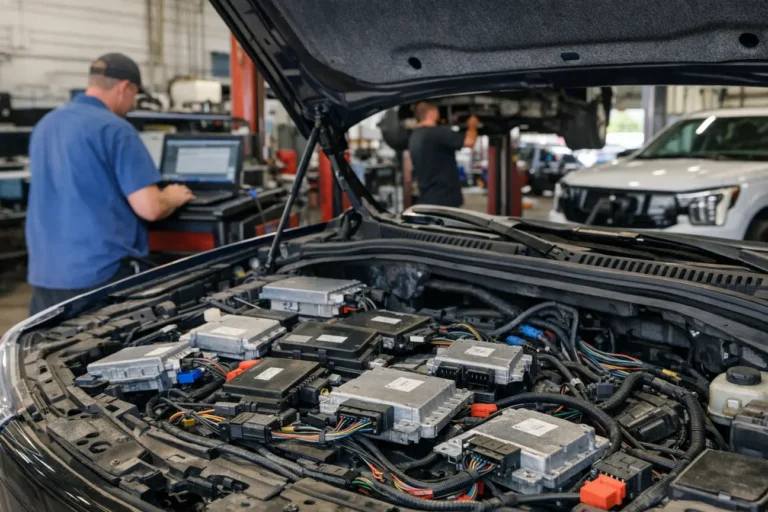
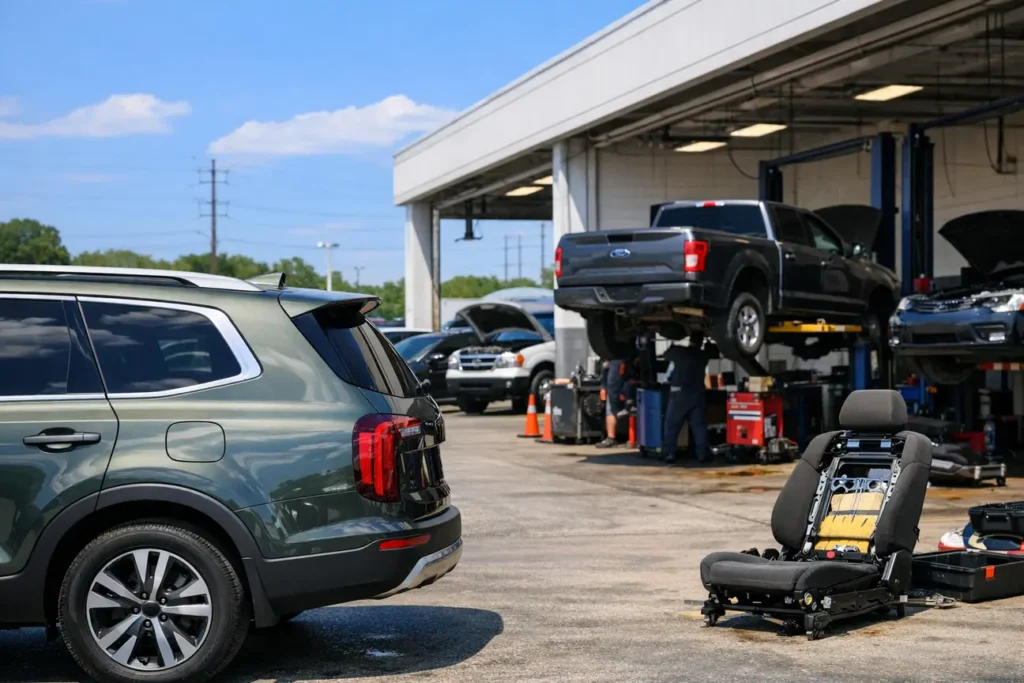
Dealers are prioritizing efficiency, process discipline, and EV readiness in fixed operations, which many view as the financial backstop heading into 2026. Industry guidance emphasized treating service as the core business, training advisors to build long-term relationships, and asking basic ownership questions to capture retention and tire sales that drive recurring revenue.
Financing availability and retail implications
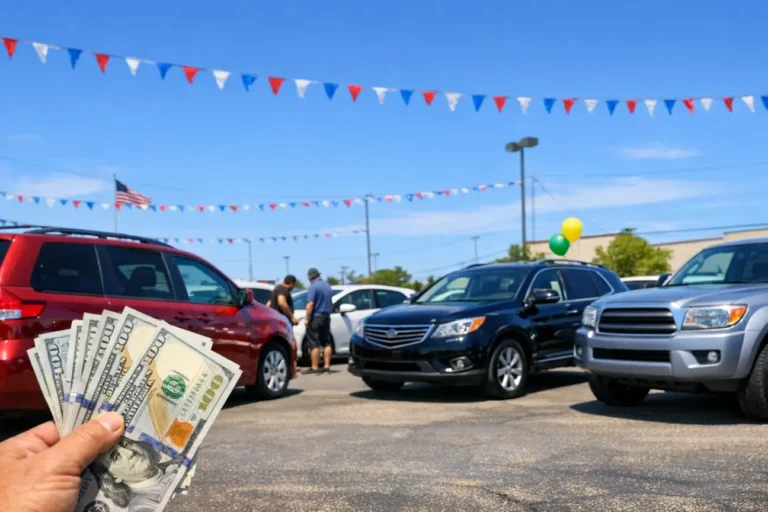
Subprime financing availability is tightly linked to sales—especially for used vehicles at both independent and franchised stores. As lenders reduce risk exposure, approvals can tighten swiftly, affecting volume and F&I attachment rates. Prestige’s exit from originations is another data point amid broader concern about regional lender stability following recent shutdowns and bankruptcies.
M&A and competitive landscape
A robust third-quarter M&A pace saw 149 rooftops change hands after a slower first half of 2025, as buyers worked to close deals ahead of potential policy shifts. Consolidation can bring capital and process standardization but also intensifies competition for budget-stretched consumers.
What’s next
- Prestige: Funds loans already in the pipeline through month-end and transitions to servicing-only operations.
- Carvana: Integrates the San Diego franchise store with its vending machine and ADESA auction site to deepen local reach and logistics.
- Ford + Amazon: Pilots expand to more dealers and cities while the company evaluates potential scalability and whether to add new vehicles.
- Dealers: Continue to lean on F&I and fixed ops to counter thinner front-end margins, with process rigor and retention as priorities into 2026.