

Overview
This week’s auto industry updates highlighted moves to ease semiconductor bottlenecks, expand U.S. battery manufacturing, invest in the technical workforce, and restart federal regulatory activity, alongside a prospective U.S.–South Korea agreement to lower auto tariffs, as reported by CBT News.
Key developments
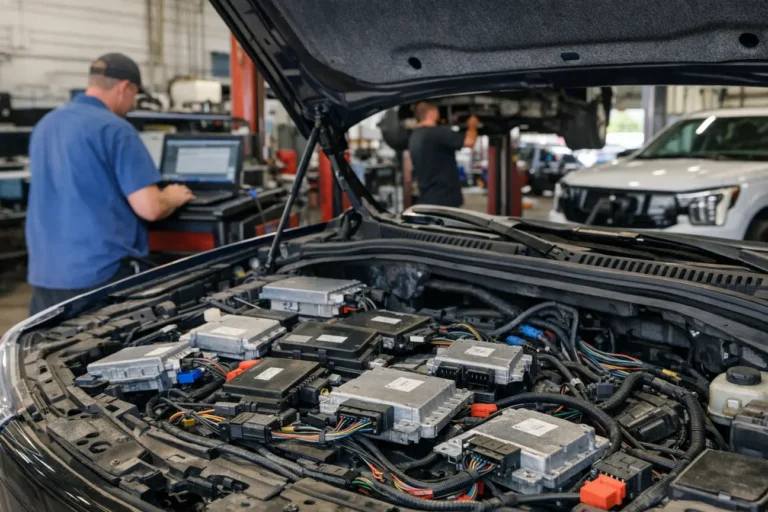
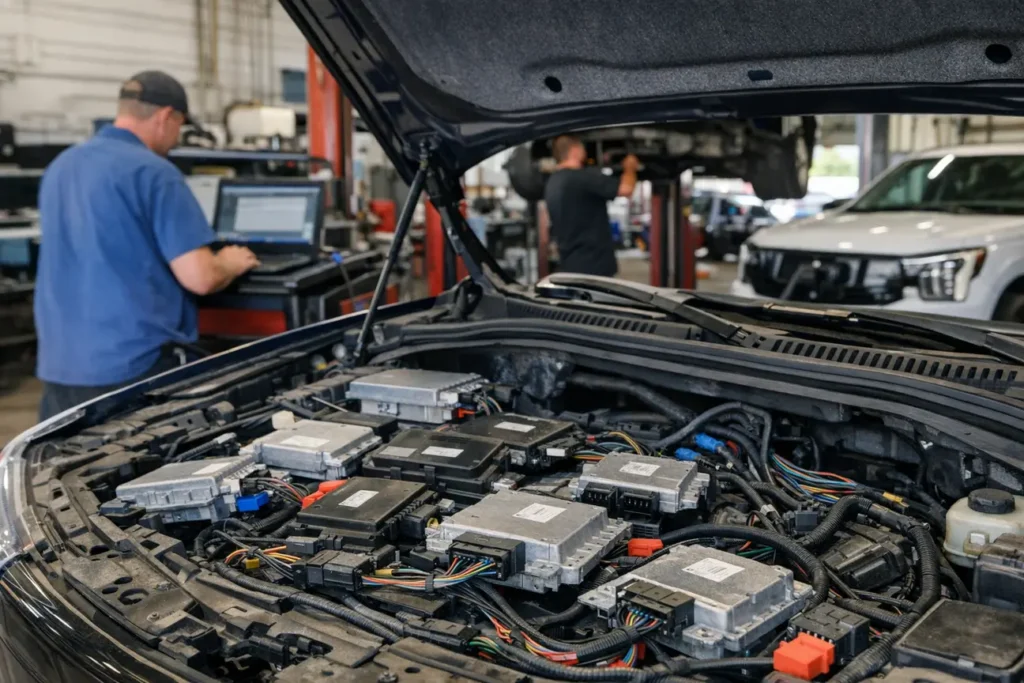
- China and Nexperia chips: Beijing moved to exempt compliant exports of Nexperia chips intended for civilian use and urged the EU toward resolving a related dispute, potentially easing a chronic supply constraint for automakers.
- Toyota battery production: Toyota began production at its $13.9 billion North Carolina battery plant and pledged an additional $10 billion in U.S. investment over five years, bringing its total U.S. investment to $60 billion over 70 years.
- GM STEAM funding: General Motors committed $110 million to STEAM programs on National STEM/STEAM Day to help build the U.S. technical workforce.
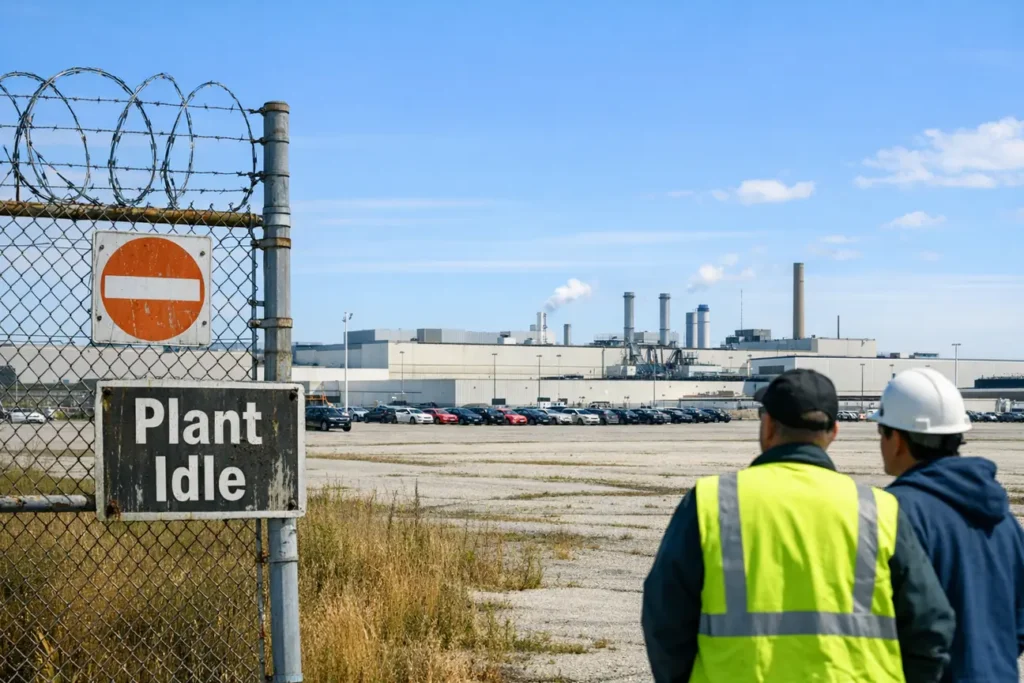
- U.S. government reopens: Federal operations resumed after a 43-day shutdown, restarting activities at agencies such as EPA and NHTSA that are critical for testing, certification, and regulatory clarity.
- U.S.–South Korea auto tariffs: The nations announced an agreement to reduce tariffs on U.S. imports of Korean vehicles and parts from 25% to 15%, with retroactive application to Nov. 1 upon parliamentary approval in South Korea and tied to a reported $350 billion investment package.
Why it matters
- Semiconductor export easing could improve component availability and stabilize production schedules.
- New U.S. battery capacity supports electrification goals, localized supply chains, and compliance with domestic content policies.
- Investment in STEAM strengthens the talent pipeline for software, electronics, and advanced manufacturing.
- Regulatory restarts at EPA/NHTSA help clear certification backlogs and provide launch certainty for new products.
- Lower U.S. tariffs on Korean autos/parts may shift pricing, sourcing, and competitive dynamics across Asian brands.
What to watch
- EU response to China’s exemptions and the pace of any resulting chip supply improvements.
- Toyota’s North Carolina ramp-up timeline and deployment of its additional U.S. investments.
- GM’s specific STEAM partners, programs, and funding allocations.
- Formalization and implementation of the U.S.–South Korea agreement and its impact on trade flows.
- Progress at EPA/NHTSA in clearing testing and certification backlogs affecting upcoming vehicle launches.