
Overview
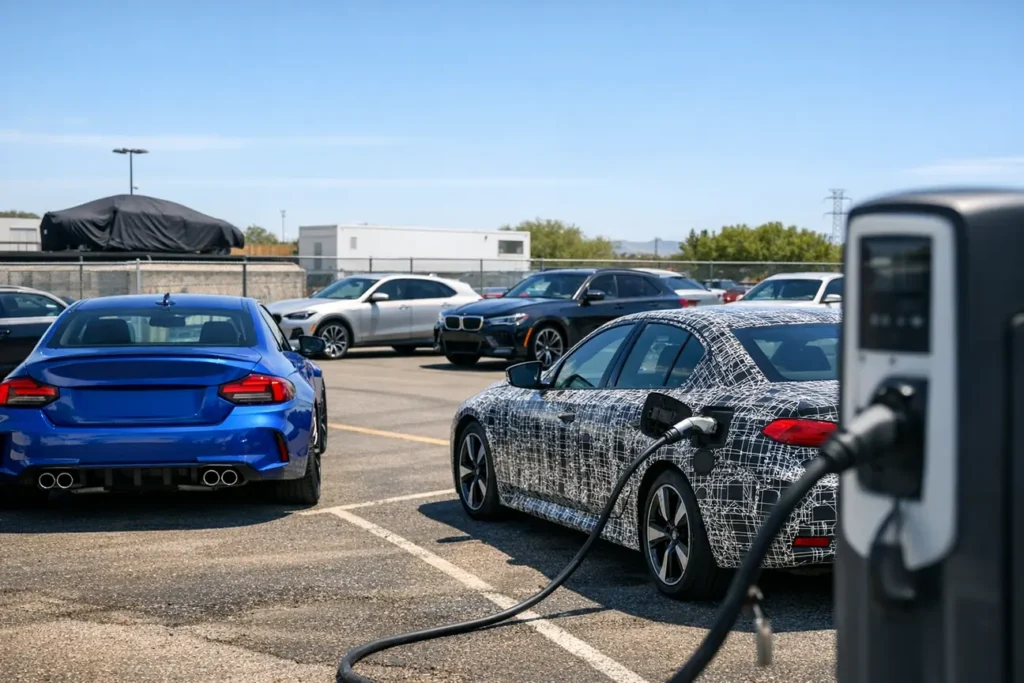
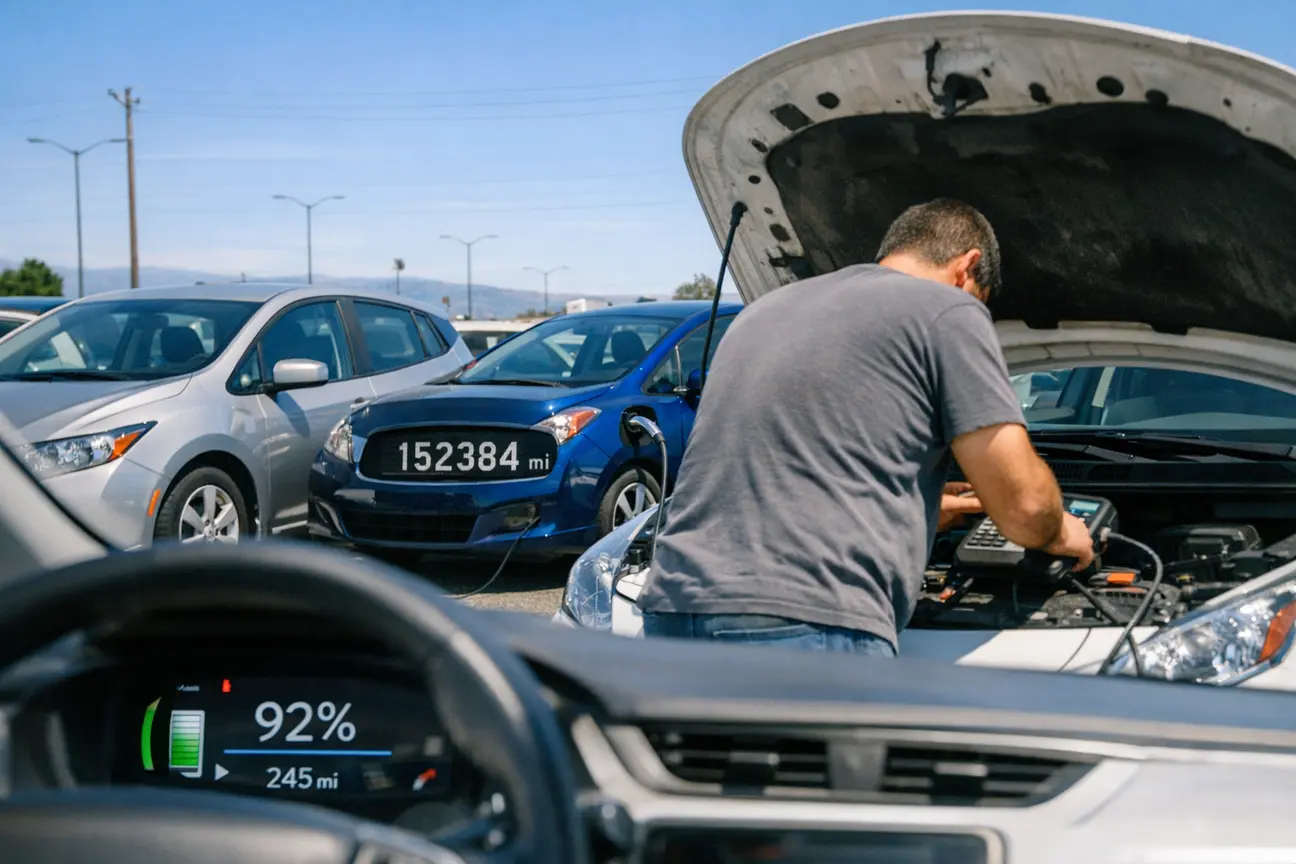
A new industry index indicates that using mileage to assess an electric vehicle’s battery condition is increasingly unreliable. Generational’s 2025 Battery Performance Index, spanning 36 manufacturers, reports an overall average battery state of health of 95.15%, with many high-mileage EVs performing as well as—or better than—older, lower-mileage cars.
Key findings
- Usage patterns and charging behavior are major determinants of battery health, often outweighing mileage and age alone.
- Example: A three-year fleet EV with 90,000 miles can present stronger battery health than a six-year, 30,000-mile car, depending on use and charging practices.
- Mileage bands: EVs with 100,000+ miles typically show 88%–95% state of health.
- Age bands:
- 4–5 years old: median 93.53% SOH
- 8–9 years old: median ~85% SOH
- 8–12 years old distribution: 25th percentile 82%, median 85.04%, 75th percentile 90%
- Batteries are generally performing above expectations and, in many cases, above common warranty thresholds.
Why mileage falls short
Traditional valuation methods borrowed from combustion vehicles tie condition closely to miles driven. Generational’s analysis challenges that approach for EVs, showing that battery aging depends more on operating patterns than distance alone.
- Influential factors include driving cycles, climate exposure, charging frequency and rates, and time spent at high or low states of charge.
- Consistent usage and well-managed charging (often seen in fleets) can preserve capacity better than sporadic, less optimal usage patterns.
Implications for the used-EV market
- Prioritize direct battery diagnostics and transparent SOH reporting in appraisals and trade-ins to avoid mispricing.
- Adopt standardized battery testing to strengthen residual values and inform lending, insurance, and retail pricing decisions.
- Update valuation frameworks originally built for ICE vehicles to reflect EV-specific degradation dynamics.
Scope and limitations
- Coverage: vehicles aged 0–12 years and mileages from 0 to 160,000+ miles across 36 manufacturers.
- Limitations: the publication does not disclose total sample size or model/brand-level breakdowns; results are presented as aggregated trends.
Bottom line
Mileage is an unreliable indicator of EV battery condition. With a fleet-wide average SOH above 95% and strong outcomes even among older and high-mileage vehicles, the index supports shifting appraisals toward verifiable battery health metrics to better align pricing, risk, and consumer confidence.