
Michael Handwerger of Alpha One Automotive outlines how small-market dealerships can win by combining a visible public profile, hyper-local operations, and sustained investment in fixed ops, all powered by disciplined recruiting and a prepared leadership bench.
Key themes
- Visibility as leverage: Consistent public posting builds relevancy and trust, shortens hiring cycles, and eases market entries.
- Small-market reality: With populations of 4,000–5,000, stores can’t rely on walk-ins; every sale requires intentional outreach.
- Community dynamics: Personnel moves carry outsized reputational impact; transparent communication and cultural alignment matter.
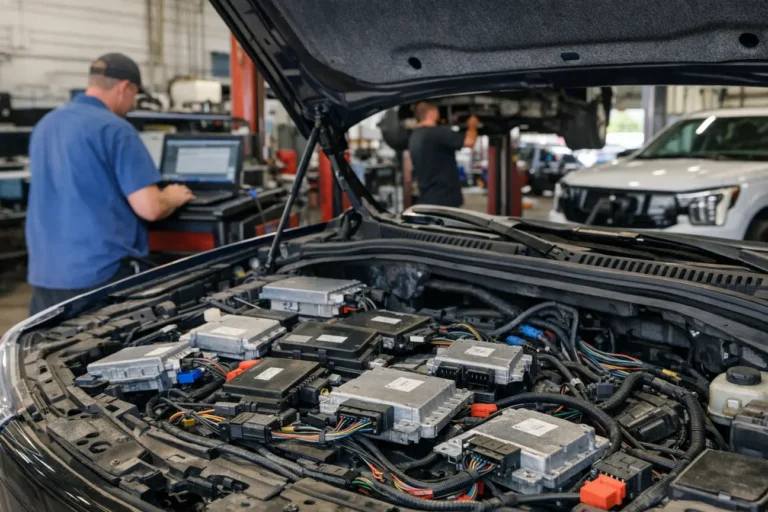
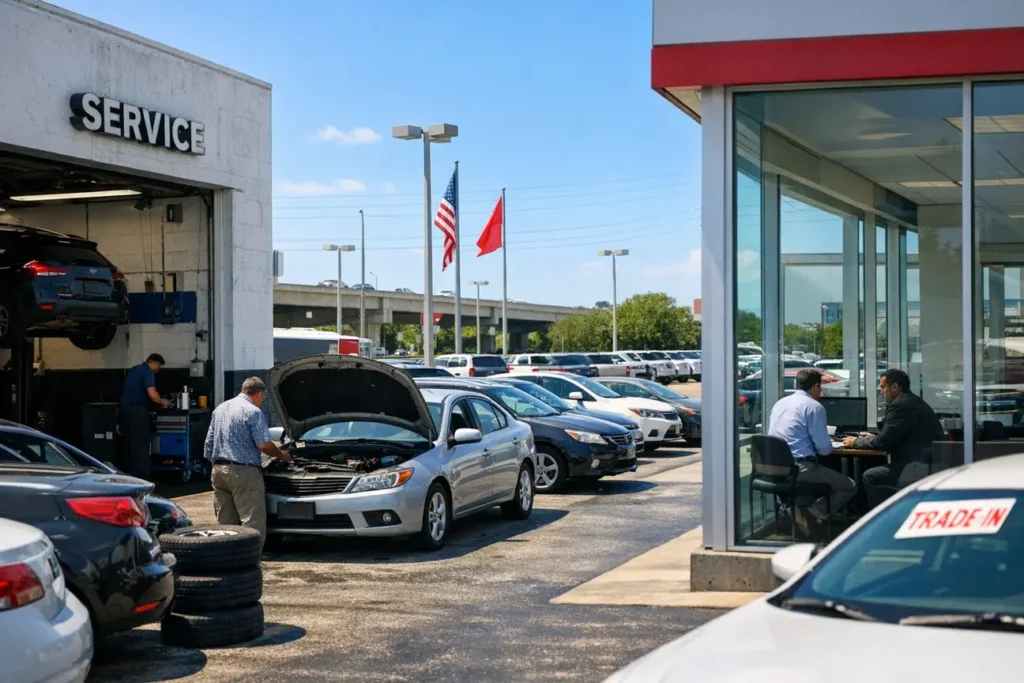
- Fixed ops as growth engine: Modernize service, expand capacity, and staff for process adoption to stabilize revenue when new-vehicle volume is capped.
- Recruiting and bench strength: Social media fuels talent attraction; building managers before acquisitions reduces disruption and raises success odds.
Public profile and trust
Handwerger shifted from downplaying social media to posting regularly to show who he is and what his stores stand for. That visibility helps establish credibility in new markets and with candidates, reducing friction when rolling out new processes and accelerating hiring.
Operating in tiny markets
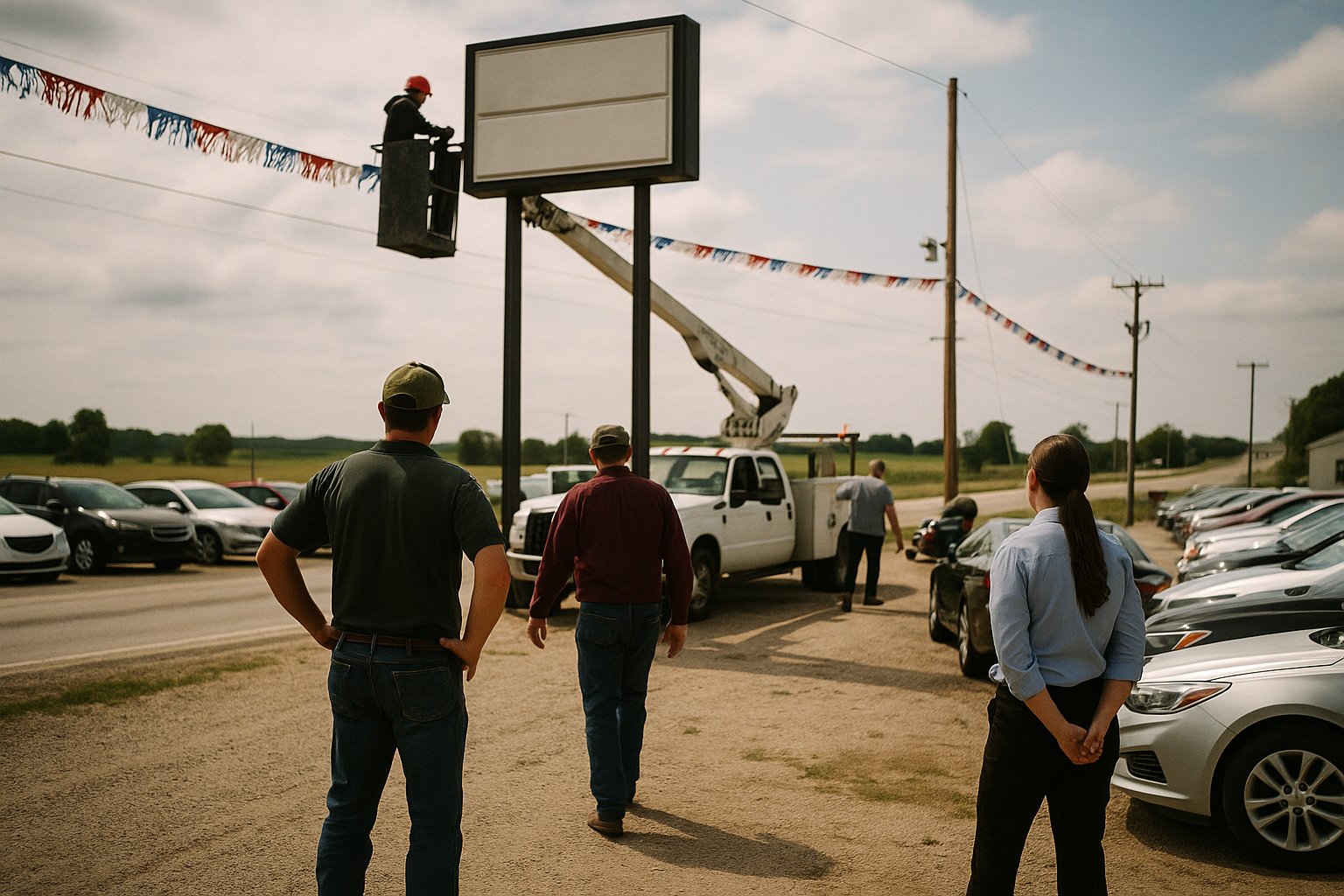
In rural communities, inbound demand is limited. Leaders who excel without steady traffic “hunt” for business through local marketing, partnerships, and proactive outreach. Success requires a different management skill set than high-traffic metro stores.
Community sensitivity and cultural alignment
Tight-knit towns amplify both gains and setbacks. Replacing long-tenured employees can trigger swift backlash; steady, empathetic change management is essential. Aligning staffing and messaging with local demographics—such as adding Spanish-speaking staff and advertising in Spanish—unlocks first-time buyers and improves retention through clearer communication.
Modernizing fixed operations
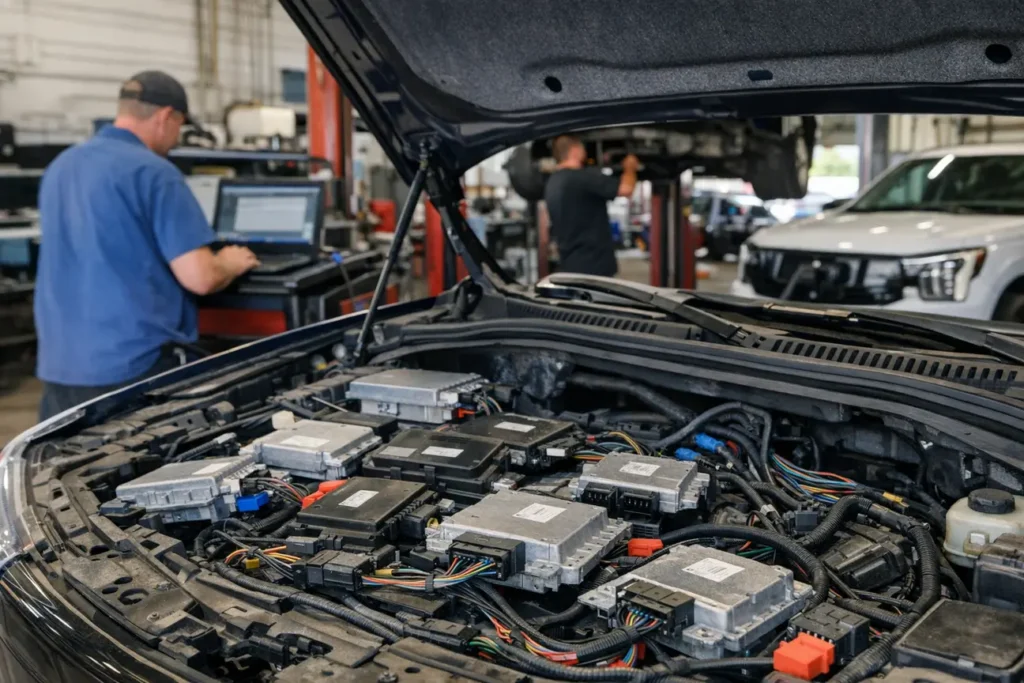
- Adoption hurdles: Digital MPIs and video walkarounds aren’t plug-and-play; techs and advisors may resist without coaching and the right hires.
- Staff for experience: Bringing in people comfortable with modern processes speeds adoption; patient leadership sustains behavior change.
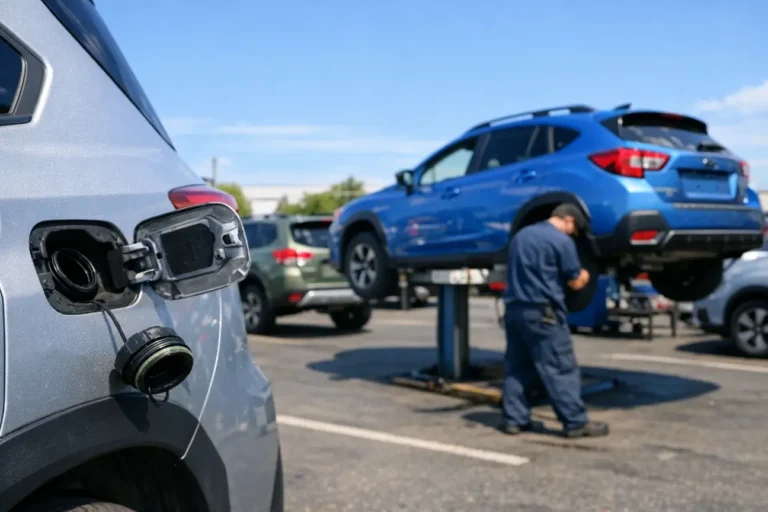
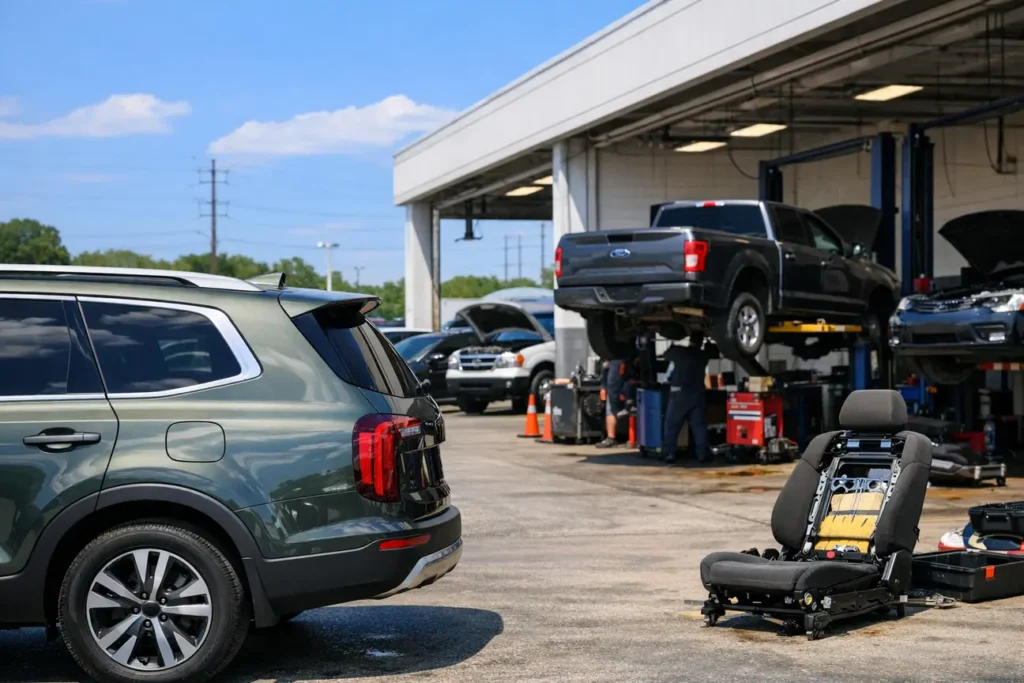
- Capacity investments: Added 15 technicians, created four additional bays within existing buildings, and invested heavily in equipment—favoring creative reconfiguration over new construction to boost daily throughput.
The goal is resilient revenue: more warranty and customer-pay work to offset uneven new-vehicle sales.
Recruiting, leadership, and growth discipline
Social media now serves as a primary tool to attract scarce technicians and advisors by showcasing culture, standards, and community engagement. Handwerger prioritizes building a manager bench ahead of acquisitions to deploy trained leaders into new stores with less disruption, a necessity in a high-cost, tighter-lending environment where the bar for turnarounds is higher.
Advice for aspiring rural operators
- Do deep diligence on culture, financing realities, and operating constraints before buying.
- Budget for service capacity and tooling early; throughput drives stability.
- Plan for community communications around staffing changes and tech rollouts.
- Hire to match local languages and demographics; market in the customer’s voice.
- Develop GMs who can create demand, not just manage it.
Bottom line
Winning in small markets is a consistency game: align people, processes, and outreach to local realities. Lead visibly, hire for the community you serve, modernize service the right way, and cultivate leaders who can hunt for business.