
Summary
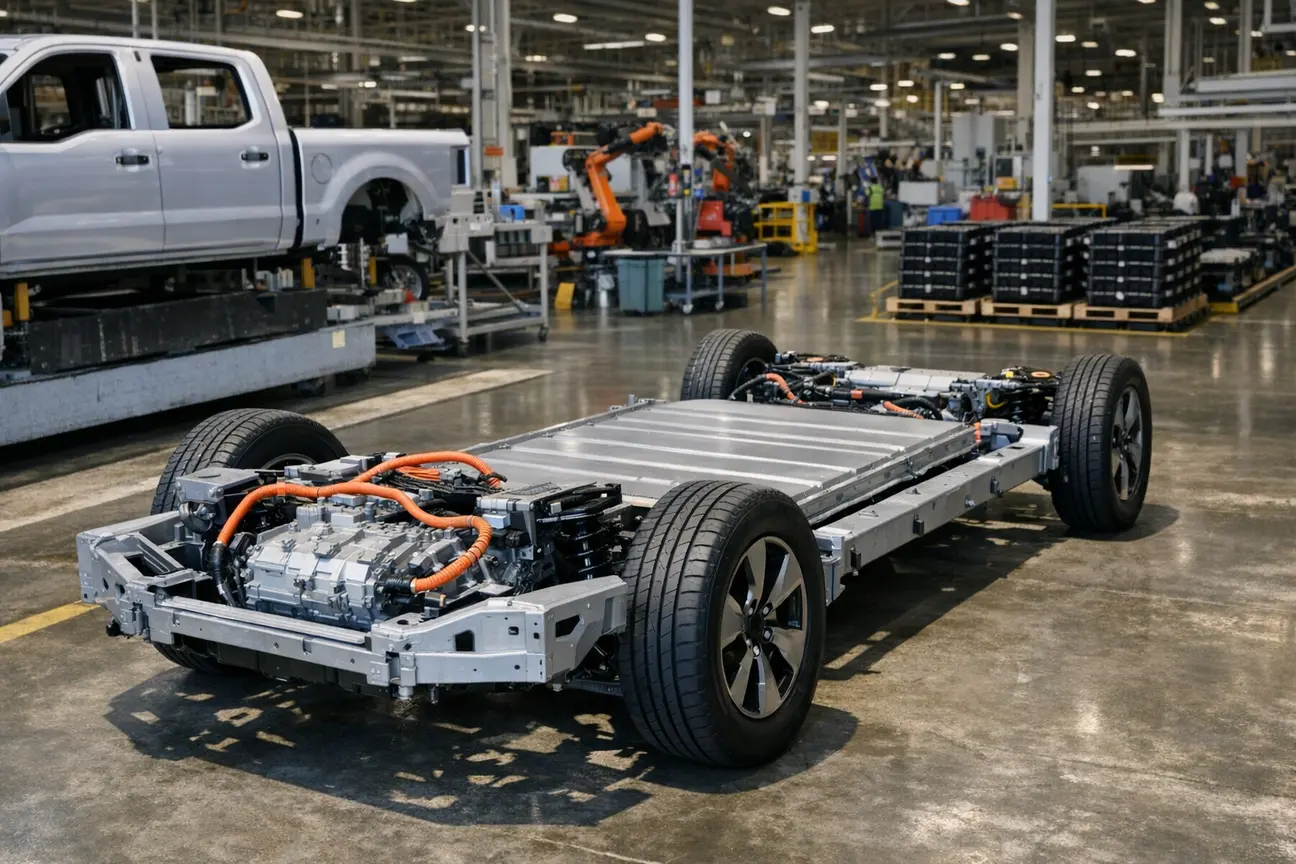
Ford is overhauling how it designs and builds electric vehicles to cut costs and broaden affordability. The plan centers on a new small/midsize “universal” EV platform, deeper parts integration, a zonal electrical architecture, and lower-cost lithium iron phosphate (LFP) batteries produced at a new Michigan facility. The first product expected on this architecture is a midsize electric pickup, and while pricing is a focus, vehicle sizes aren’t expected to shrink.
How Ford plans to cut costs
- Parts reduction and integration: Simplify designs across five upcoming EVs by reducing total part counts and making remaining components do more.
- Integrated components: Shift from many small pieces to larger, multi-function parts (e.g., a fully integrated side mirror that’s smaller, lowers frontal area, and improves range).
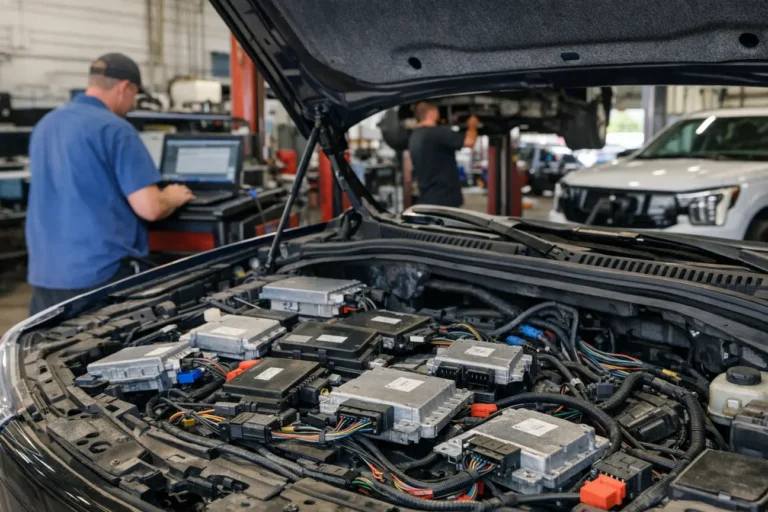
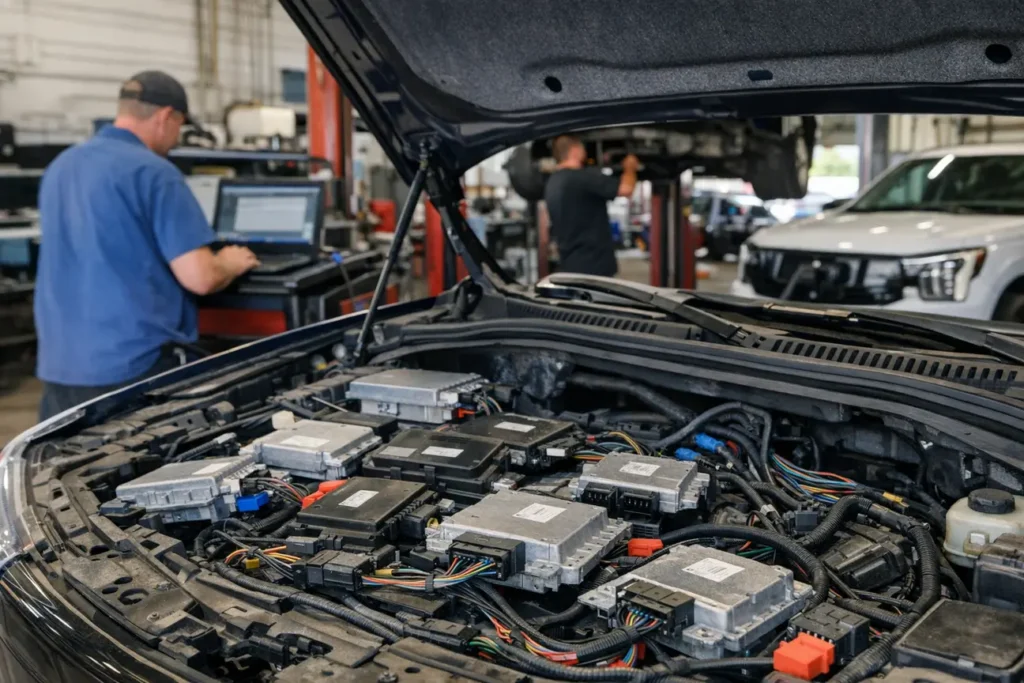
- Zonal electrical architecture: Consolidate many dedicated control modules into a few master processors (similar in concept to BMW’s “Superbrain”), eliminating “thousands of feet” of wiring, reducing weight and assembly complexity.
- Batteries: Standardize on LFP chemistry to lower pack costs, with localized production at Blue Oval Battery Park near Marshall, Michigan.
- Platform strategy: A common small/midsize architecture to underpin five EVs for scale efficiencies.
Trade-offs and implications
- Service costs: Fewer total parts can mean simpler diagnostics and inventory, but integrated parts may be more expensive to replace when they fail or are damaged.
- Collision repair: Larger, multi-function units can raise repair bills even as assembly points and potential rattle sources decrease.
- Software dependence: Consolidated hardware relies more on software, making updates and calibrations central to post-repair procedures.
- Battery compromises: LFP packs are cheaper but typically heavier for a given capacity; customers often seek ~300 miles of range, which Ford acknowledges as a design baseline but has not promised.
- Size and features: Cost reductions target manufacturing and batteries, not downsizing vehicles or stripping features.
What buyers can expect
- Potentially lower EV transaction prices without dramatic reductions in vehicle size or capability.
- Range targets not yet disclosed; do not expect significantly smaller batteries or footprints in the near term.
- Features managed via more integrated hardware and consolidated electronics behind the scenes.
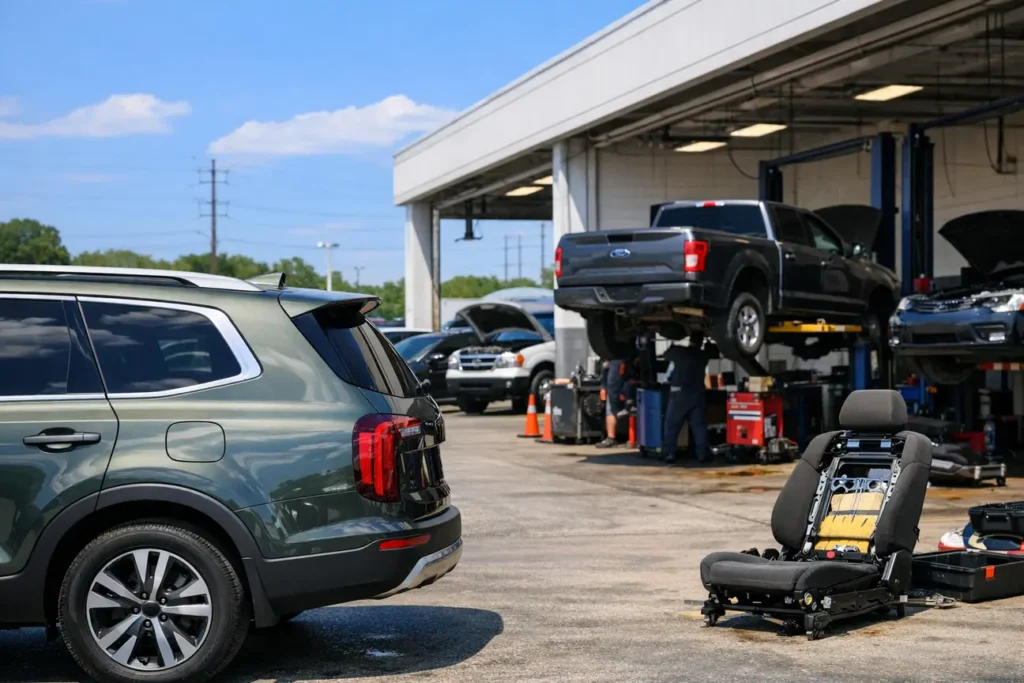
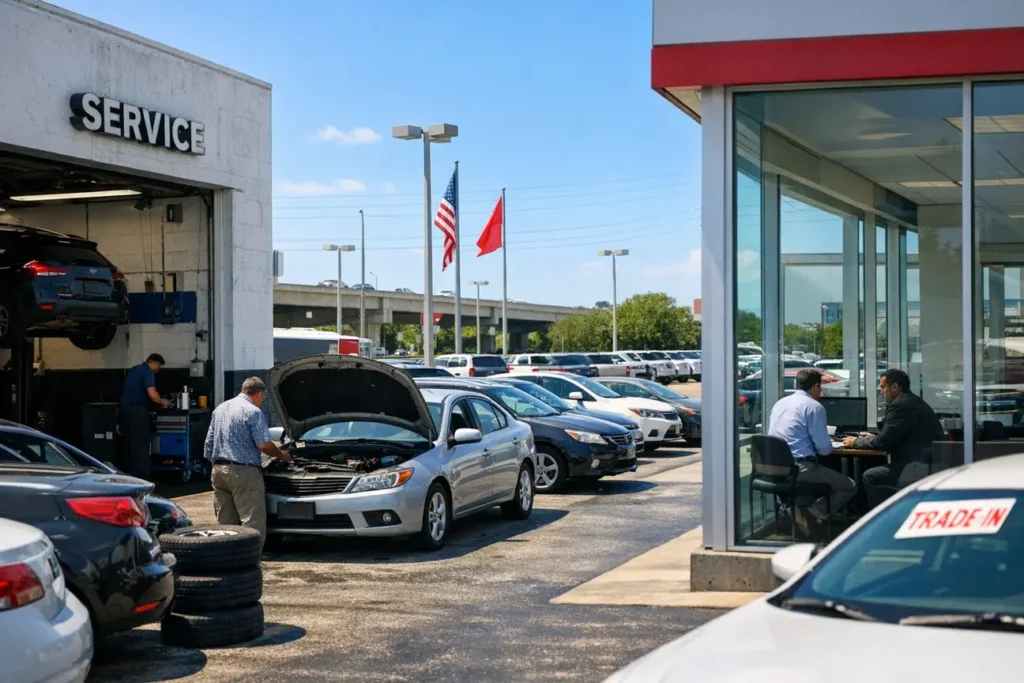
For dealers and repair shops
- Fewer discrete modules and shorter wiring harnesses could streamline diagnostics and reduce parts variety.
- Expect a shift toward larger, more capable assemblies with higher per-part prices.
- Software updates, calibrations, and feature enablement likely to become even more central to service workflows.
Outlook
Ford has not announced debut timing, pricing, range, or detailed specs for the new models. The direction is clear: consolidate parts, adopt a zonal electrical architecture, and localize lower-cost LFP battery production to reduce overall costs. How these choices translate to sticker prices, option packages, and ownership costs will become clearer as the first vehicles launch on the new EV platform.