
Key takeaways
-
Ford is in early talks with BYD to supply batteries for future hybrid models, aiming to cut costs while navigating complex U.S. trade rules.
-
Heavy U.S. tariffs and Inflation Reduction Act restrictions on batteries tied to Chinese firms could limit or reshape any deal.
-
No specifics yet on models, markets, battery chemistries, or manufacturing locations.
Policy backdrop in the U.S.
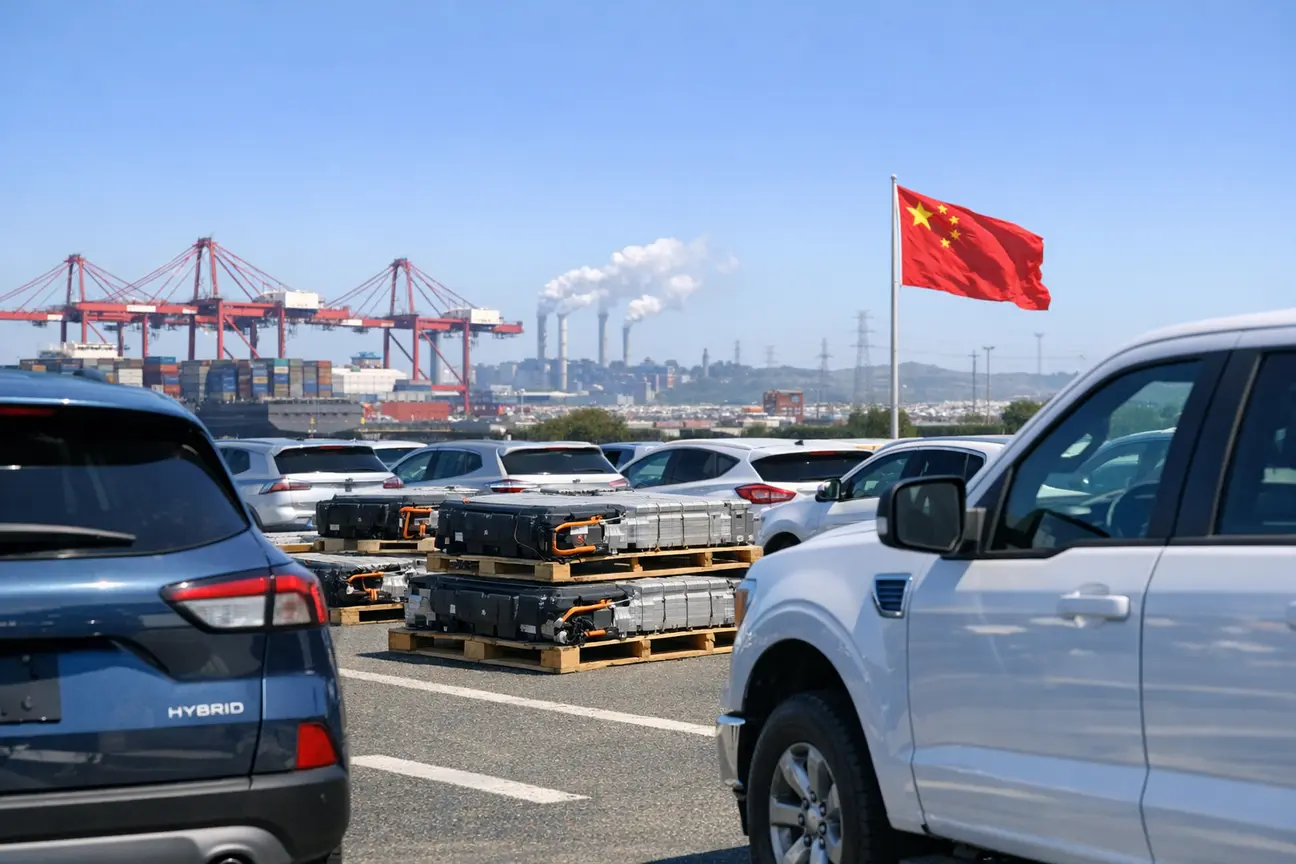
U.S. Section 301 tariffs were increased in 2024, including a 100% tariff on electric vehicles and higher duties on lithium-ion batteries used in EVs; lithium-ion batteries have faced a 25% tariff, with additional duties on related components. These policies push domestic manufacturing and reduce dependence on Chinese supply chains but raise costs for importing Chinese-made battery content.
Under the Inflation Reduction Act’s clean-vehicle rules, vehicles with battery components from a foreign entity of concern (FEOC)—which includes Chinese companies—are ineligible for federal consumer tax credits. This affects plug-in hybrids and EVs; conventional (non-plug-in) hybrids don’t receive these purchase credits but still face compliance and cost considerations.
Why BYD and why hybrids
BYD is a top global producer of lithium-ion cells and packs, known for its LFP “Blade” design prized for durability and cost. For hybrids—where packs are smaller than in long-range EVs—cost and cycle life can matter more than maximum energy density, making LFP attractive. Ford has leaned into hybrids as it works to reduce EV costs and develop a next-generation, lower-cost platform.
Potential deal structures
To mitigate tariffs and eligibility issues, options could include North American localization, licensing arrangements, or sourcing cells made outside China. No details have been announced, and there are no confirmed plans to localize BYD battery production in the U.S. or Mexico. Any licensing or joint manufacturing model would likely face close scrutiny under U.S. Treasury guidance designed to limit indirect FEOC benefits.
Context within Ford’s strategy
Ford plans to expand hybrid offerings across core models amid mixed EV demand and higher costs. In parallel, it’s pushing aggressive cost reductions for future EVs; CEO Jim Farley recently said a roughly $30,000 electric truck prototype is in development, underscoring efforts to reach profitability without heavy incentives.
Implications and unknowns
-
Scope: Unclear whether talks focus on conventional hybrids, plug-in hybrids, or both.
-
Markets: Regional differences in tariffs and sourcing rules could shape where such batteries are used.
-
Compliance: Plug-in hybrids using restricted components would forgo U.S. tax credits; conventional hybrids avoid credits anyway but still face tariff and public-perception factors.
-
Precedent: Ford’s prior LFP licensing plan with CATL in Michigan shows potential pathways but also the political scrutiny such structures attract.
Bottom line: A Ford-BYD battery supply arrangement could lower hybrid costs and bolster supply security, but its feasibility in the U.S. will hinge on manufacturing location, deal structure, and adherence to tariff and FEOC rules.