
Summary
Ford reported a steep fourth-quarter net loss tied to prior electric-vehicle write-downs, missed adjusted earnings expectations, and flagged significant 2026 cost headwinds from U.S. tariffs and an extended shutdown at a key aluminum supplier. Management outlined cost cuts, faster product cycles, and a lower-cost EV platform as pillars to reach its 2026 profit targets.
By the numbers
- Q4 net loss: $11.1 billion (driven by previously disclosed EV write-downs)
- Adjusted EPS: $0.13 vs. $0.19 expected
- Revenue: $45.9 billion (above forecasts)
- Core profit (Q4): ~$1 billion (down ~50%, impacted by supplier fire costs)
- 2026 EBIT outlook: $8–$10 billion (vs. ~$8.78 billion LSEG consensus)
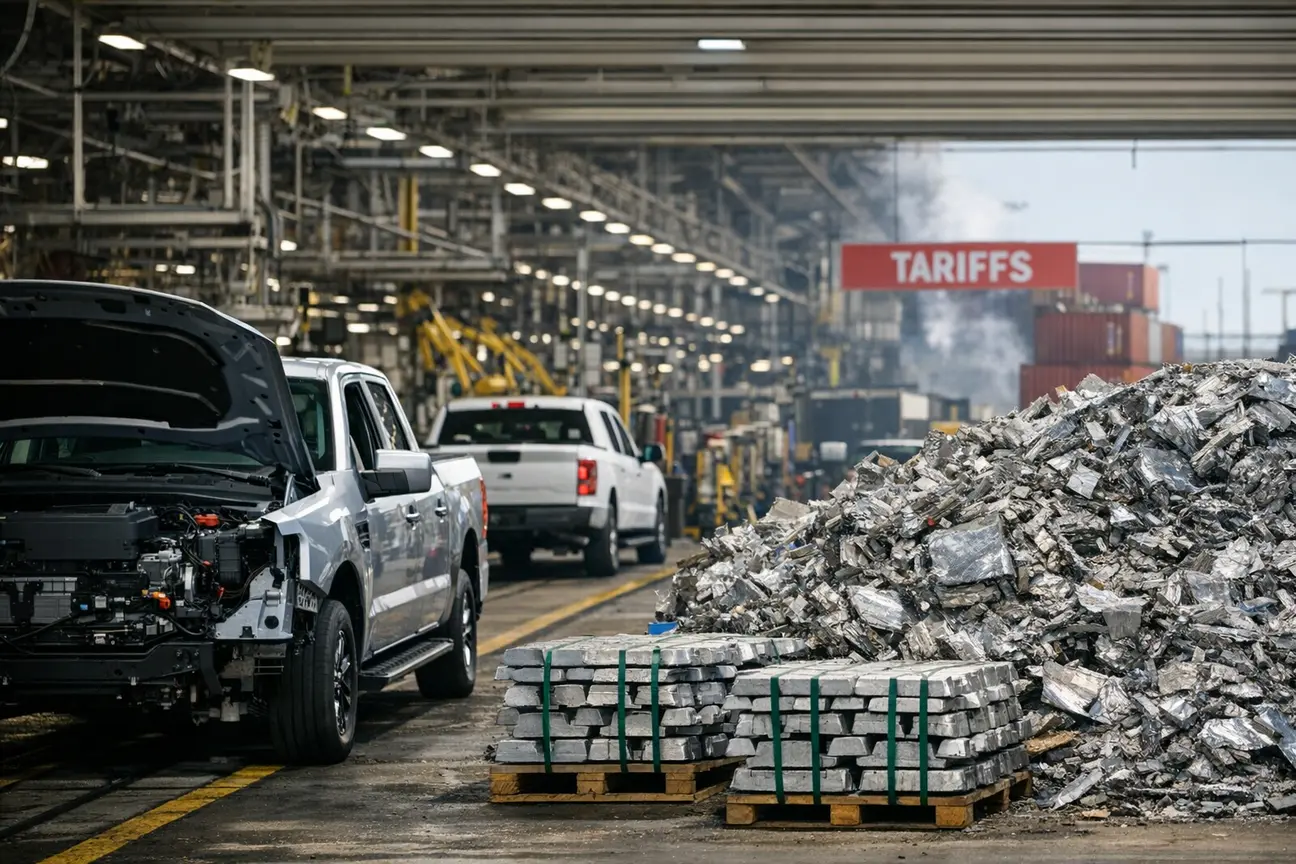
- Tariff impact (2026): ~$2 billion, largely tied to aluminum sourcing
- Late-December policy change: ~$900 million added costs after reduced tariff relief
- EV/software unit loss (last year): $4.8 billion; projected $4.0–$4.5 billion loss this year
- Cumulative EV charges disclosed (Dec): $19.5 billion (to be recognized across multiple quarters)
Operational headwinds
- Aluminum supplier disruption: Two major fires at a plant near Oswego, NY; full operations expected between May and September, pressuring output and costs until then.
- Tariffs: Higher aluminum-related costs are a major drag, particularly for the F-150 line.
- Quality and recalls: Elevated warranty expenses and industry-leading recall counts continue to weigh on results.
Strategy and outlook
- Lower-cost EV platform: A targeted ~$30,000 EV architecture; an electric pickup on this platform begins rollout next year, designed by a California-based team to cut complexity and cost.
- Faster product cycles: Separate EV group, revamped design/manufacturing system to compress timelines toward leading global benchmarks.
- Selective partnerships: Ties to spread investment and boost factory utilization (e.g., Renault in Europe; Reuters reports talks with Geely); increased focus on hybrids where adoption is advancing more gradually.
- Cost discipline: Streamlining operations and simplifying vehicle architectures to support margins over time.
Peer context
- GM: ~$7.6 billion in charges tied to EV production plan changes.
- Stellantis: ~$26.5 billion in charges amid lineup adjustments.
- Sector-wide reset reflects cooler EV demand, higher costs, and slower consumer adoption.
Stock and investor takeaways
- Shares were little changed after-hours; prior close: $13.57 (-0.15%).
- Past 12 months: Ford up ~47% to ~$14; GM up ~72% to ~$80; Stellantis down ~42% to ~$7.
What to watch next
- Oswego plant ramp: Timing of full recovery (late spring to early fall) and its impact on vehicle availability and costs.
- 2026 guidance updates: Progress on cost cuts, warranty reductions, and margin improvement.
- New EV pickup rollout (next year): Early proof point for Ford’s retooled, lower-cost EV strategy.