
Summary
Dealers are urged to make 2026 the year they rebuild service retention by pairing AI-enabled scheduling with human-led service and investing in staff skills. Fixed operations remain core to profitability, and slipping “due for service” retention—especially when it drops below 70%—is a warning sign to act on.
What to fix first
Before new marketing, improve the customer experience. Map and remove friction across scheduling, vehicle intake, advisor interactions, status updates, and post-visit follow-up. Ensure satisfaction follow-ups yield actionable insights (not just checkbox activity) and confirm scheduling tools are intuitive rather than clunky.
The role of automation and people
Automation, including AI, is a tool—useful only when paired with strong process. Systems should enable human escalation whenever automation reaches its limits or customers ask for a person. Over-automation risks alienating customers who then defect for service elsewhere.
Hybrid scheduling
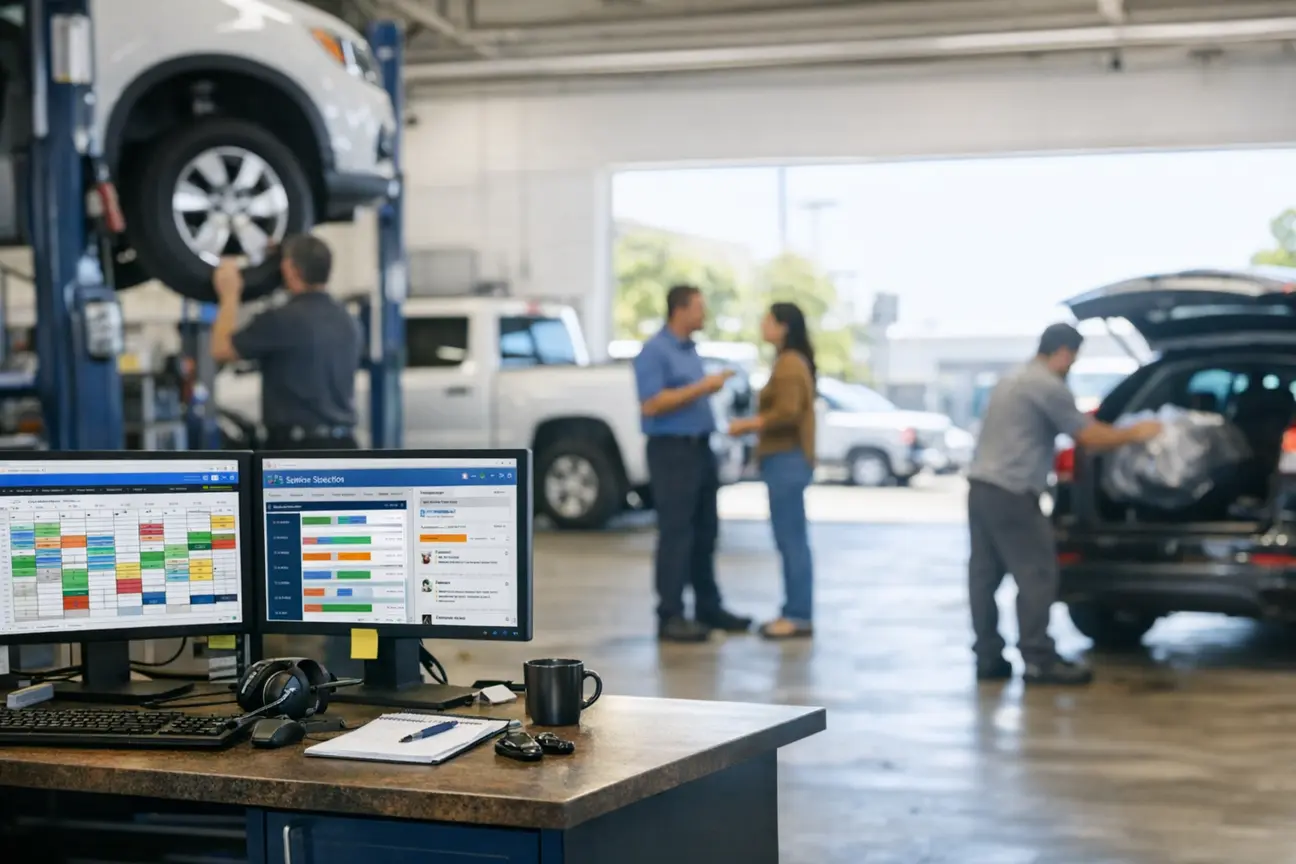
Experience from 2025 shows limits to relying solely on AI or solely on people. A hybrid scheduling model lets AI handle routine routing, reminders, and forecasting while advisors focus on upsells, complex needs, and personalized conversations that build trust.
Convenience and retention levers
Customers often choose alternatives for convenience more than price. To counter silent defections, boost convenience and habit-building tools:
- Pickup and delivery services
- Loyalty programs
- Bundled maintenance plans
- Proactive outreach and reminders
Communication essentials
Proactive updates across customers’ preferred digital channels are baseline. Route straightforward questions through automation, but trigger fast handoff to a person at any sign of confusion, urgency, or complexity. Prioritize consistency and clarity—not just speed—to reduce friction and build confidence.
Measurement that matters
Use feedback mechanisms to harvest usable intelligence. Identify precisely which parts of the journey drive dissatisfaction or churn, target fixes, and track movement in return rates and revenue. A smoother experience increases the ROI of any added marketing.
People, training, and incentives
Sustained gains depend on people. Implement structured onboarding, ongoing training, and meaningful incentives tied to customer experience, retention, and team accountability. Train advisors to anticipate needs, explain maintenance value in plain terms, and communicate clearly with empathy. AI can make teams faster and more precise, but it cannot replace relationships.
2026 priorities for dealers
- Find and fix weak spots in the service process that cause customers to leave.
- Reduce friction so the dealership is the easiest choice from scheduling through pickup.
- Invest in training, accountability, and culture to sustain performance.
Why it matters
With many dealers depending on fixed operations for stable profits, every missed service visit is lost revenue. Small, consistent improvements in convenience and communication can compound into meaningful retention gains. The article is by John Traver, founder and CEO of Traver Connect, and appears in Digital Dealer’s news section.