

Summary
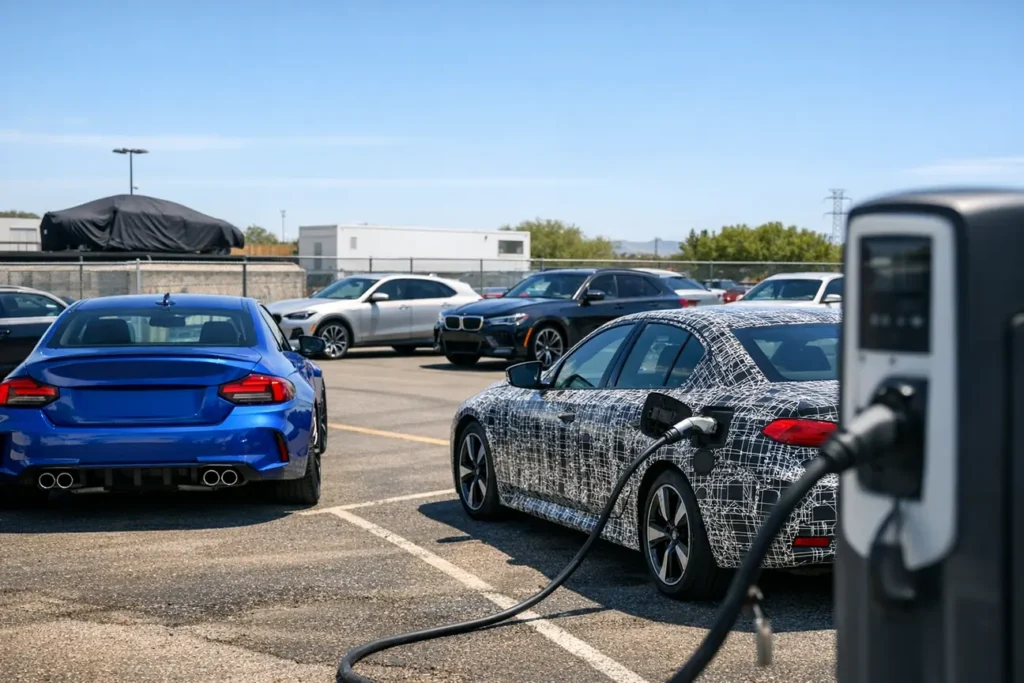
The European Union is expected to soften its effective 2035 ban on new diesel and gasoline car sales, following lobbying from Germany, Italy and several industry groups. While details are pending a European Commission press conference, any shift would mark a notable pivot in a flagship Green Deal policy and could reshape near-term strategies for automakers navigating tariffs, supply chain strains, rising costs and uneven electric vehicle demand.
Industry positions
- Automakers seeking flexibility: ACEA and its director general Sigrid de Vries argue the current pace risks misalignment with market demand and charging infrastructure readiness, warning of potential multi‑billion‑euro penalties without stronger incentives and faster infrastructure rollout.
- EV-focused stakeholders opposed: More than 150 leaders, including Volvo and Polestar, urged the EU to “stand firm” on 2035, saying the target has already catalyzed major investment and that loosening rules could slow momentum.
Analyst and advocacy viewpoints
- Analysts caution that diluting targets may be a short-term relief that undermines long-term competitiveness, especially against fast-moving Chinese rivals.
- Environmental groups argue that clear, firm targets coordinate investment across supply chains and provide certainty for consumers and manufacturers.
Potential impacts on automakers
- Planning and investments: A moderated policy could trigger recalibration of product road maps, factory conversions and supply contracts, potentially stretching timelines or diversifying powertrain strategies.
- Compliance pathways: Changes could affect how manufacturers meet emissions rules and avoid penalties, depending on specifics such as adjusted interim targets or broader eligibility for lower lifecycle-emissions technologies.
Political dynamics
Germany and Italy have pressed for changes amid domestic concerns about jobs and industrial capacity. Comments from EU lawmakers suggest growing support for a softer approach, though the Commission has not disclosed details in advance of the briefing.
What remains unclear
- The precise form of the softening (e.g., interim targets, technology eligibility, timelines).
- How Brussels will align climate goals with industrial competitiveness and consumer demand without eroding long-term innovation.
What to watch next
- Specifics from the Commission on scope, timing and compliance mechanisms.
- Automaker responses and any revisions to launch schedules, capacity plans and capital spending.
- Implications for charging infrastructure deployment and incentive frameworks across member states.