
Overview
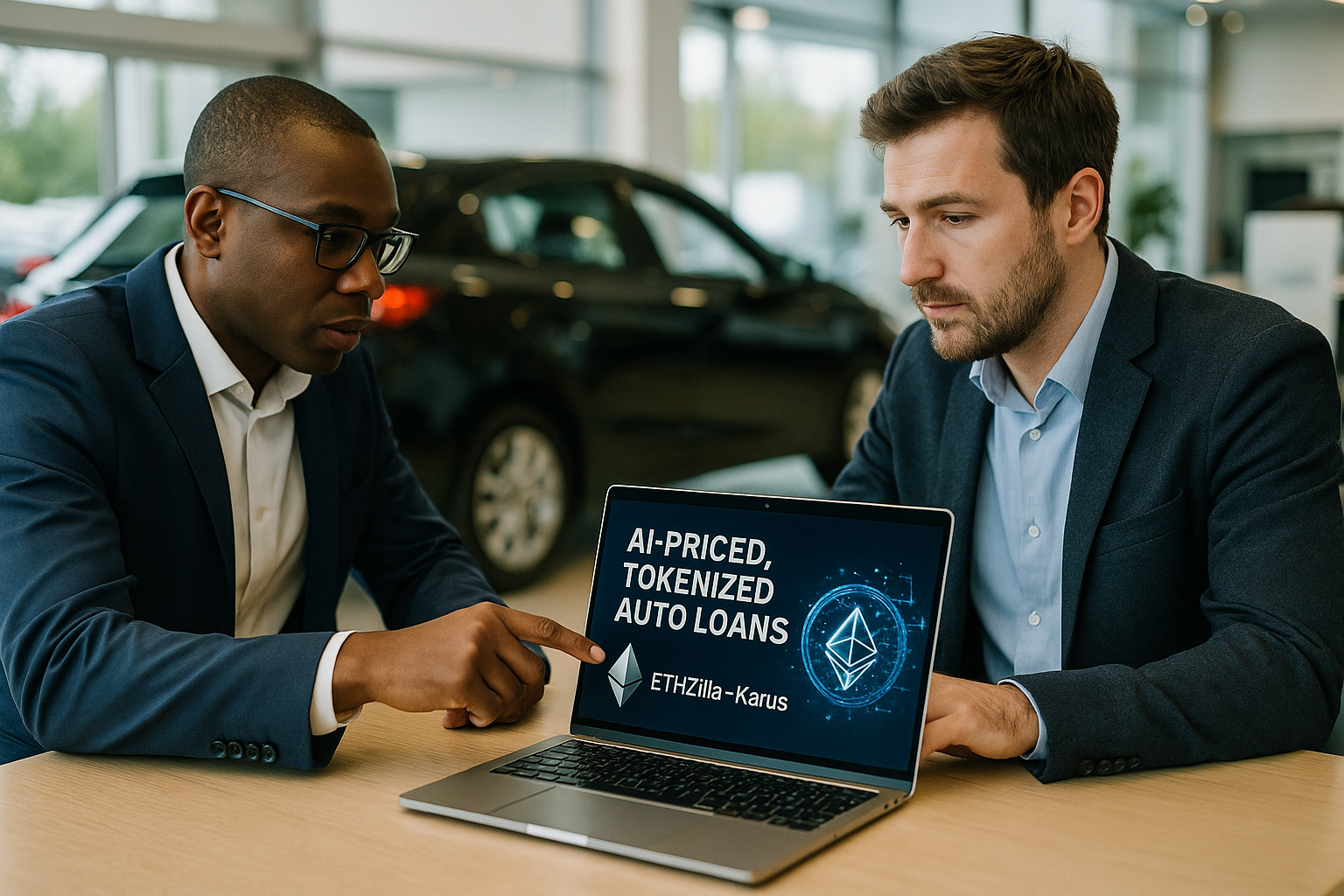
ETHZilla has acquired a 20% stake in lending platform Karus in a $10 million deal, aiming to bring AI-priced, tokenized auto loans to dealership networks and other lenders. According to the report, the move positions ETHZilla to enter the U.S. asset-backed securities market by tokenizing real-world auto credit.
Deal details
- Transaction mix: $3 million in cash and $7 million in ETHZilla stock.
- Strategic entry into U.S. ABS via tokenized auto loans and on-chain issuance.
- Access to Karus’s network of 20,000+ dealers, banks, and credit unions to feed tokenization pipelines.
- Reporting cites Dealership Guy referencing CoinDesk.
How it would work
The companies plan to integrate Karus’s AI underwriting and risk models with ETHZilla’s Ethereum-based infrastructure, so auto loan portfolios can be converted into tradable on-chain tokens once launched. Smart contracts would handle lifecycle tasks like interest distribution and covenant checks. The report says the partnership aims to reduce or eliminate “stips” and accelerate funding; proponents claim near real-time approvals and broader access to capital for harder-to-place loans.
Why it matters
- Applies tokenization to established securitization mechanics, potentially expanding distribution and enabling more granular, transparent performance tracking.
- Could connect on-the-lot financing to deeper, more fluid capital markets that evaluate and buy risk continuously rather than in batches (as advocates claim).
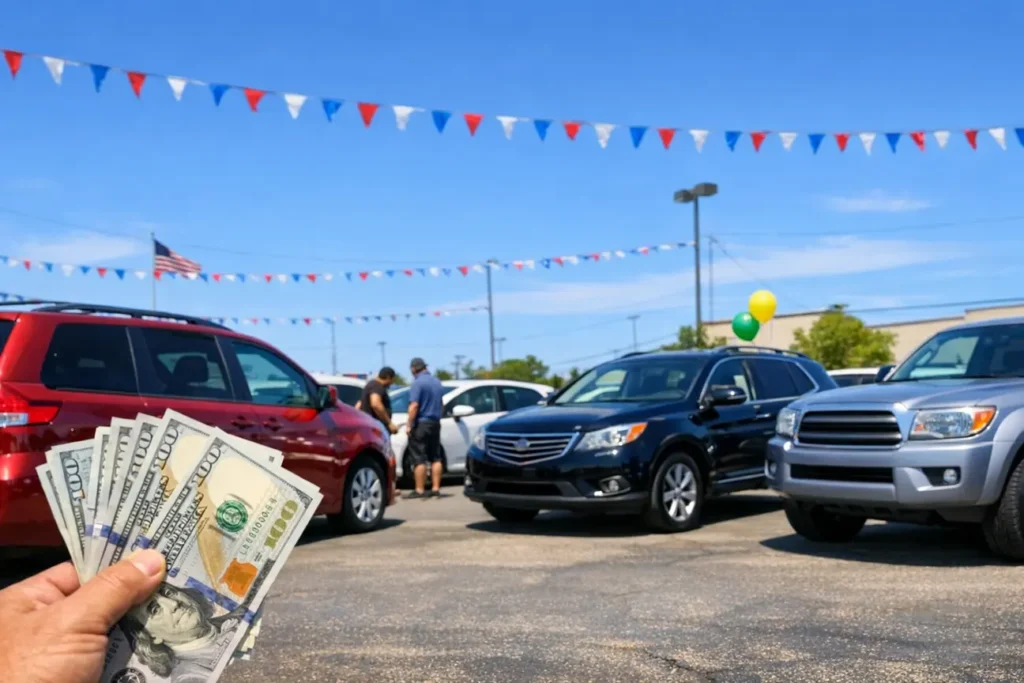
- Dealer network scale may enable investors to target specific slices (e.g., near-prime or specialized vehicles) while dealers receive faster decisions.
AI capabilities and scale
Karus’s models have been trained on 20+ million historical auto loan outcomes and have evaluated over $5 billion in loans, according to the article. Beyond traditional ML, the report highlights “agentic AI” that can re-price offers or adjust terms as new data arrives. A cited McKinsey estimate suggests generative AI could reduce auto finance cost-to-income ratios by 5–8 percentage points by automating verification, contract processing, and dynamic pricing.
Regulatory and operational considerations
- Potential scrutiny around disclosure, fair lending, data privacy, and how terms are presented at the point of sale.
- Possible changes to dealership F&I workflows if AI agents and automated verification replace parts of current processes.
- Outcomes depend on model performance across credit cycles and sustained investor appetite for tokenized consumer credit.
What to watch next
- Timeline: the companies did not disclose when the first tokenized portfolios will launch.
- Token design: how loans are structured, rated, and how cash flows and risk are represented on-chain.
- Benchmarking: performance of AI underwriting versus conventional scorecards.
- Adoption: dealer participation and secondary-market liquidity for the tokens.
Bottom line
The ETHZilla–Karus partnership is a bid to compress the distance between loan origination and market funding by pairing AI-driven underwriting with blockchain-based issuance. If execution and compliance align, it could broaden investor access to auto credit and speed dealership financing, though regulatory, transparency, and cycle-performance risks remain.