
Key takeaways
- The EPA rescinded its 2016 greenhouse-gas “endangerment finding,” unraveling the legal basis for federal auto GHG rules built since 2012.
- The agency also eliminated an off-cycle fuel-economy credit for start-stop systems.
- The EPA characterized the rollback as the “single largest deregulatory action in U.S. history” and projected more than $1.3 trillion in savings, though it did not detail the methodology in the cited announcement.
- Rules on criteria pollutants and air toxics remain in effect.
- Automakers are cautious due to overlapping state and international requirements and potential future policy shifts.
- State-level programs continue; renewed federal–state legal clashes are expected.
What changed
The EPA withdrew the 2016 determination that greenhouse gases endanger public health, thereby vacating federal vehicle greenhouse-gas standards and related compliance programs that had shaped automaker strategies since 2012. The agency also removed an off-cycle credit that recognized start-stop systems’ real-world efficiency benefits.
Administration’s stated rationale and projections
EPA leadership framed the move as restoring “commonsense” and consumer choice, asserting prior rules imposed hidden costs and accelerated technology adoption beyond market demand. The agency labeled the rollback the largest deregulatory action on record and estimated over $1.3 trillion in savings from lower vehicle costs and avoided EV-related equipment spending; the announcement summarized in the report did not provide underlying calculations for these figures.
Implications for automakers and the market
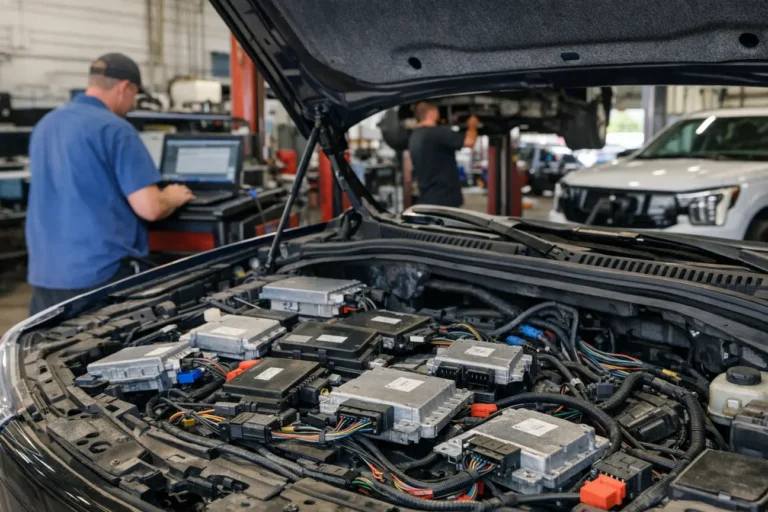
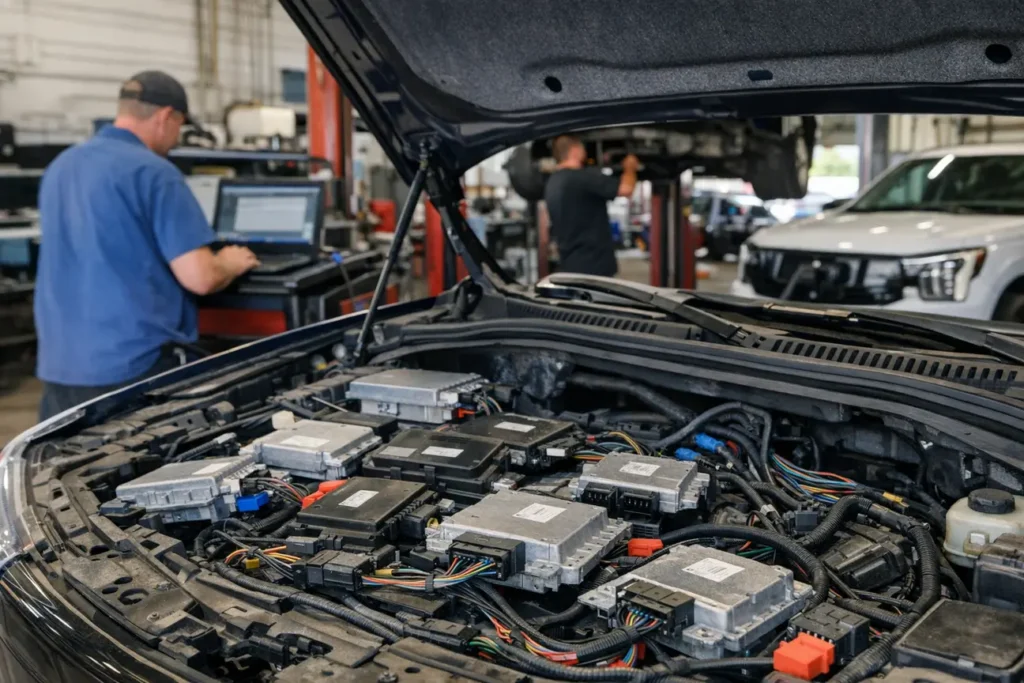
Manufacturers have not committed to removing emissions-related hardware, in part because many systems overlap with requirements for criteria pollutants and with regulations in other countries. Given global platforms and state mandates, rapid reconfiguration for the U.S. alone could be costly. Pricing and product mix may shift over time as companies reassess fleets absent federal GHG constraints, but near-term vehicle content may remain similar.
State authority and legal landscape
State-level emissions programs continue to apply within their borders. The administration plans to challenge state authority in court, with backing from some automakers, raising the prospect of a patchwork versus a looser federal baseline. Litigation outcomes will heavily influence certification strategies and market offerings.
Enforcement and aftermarket effects
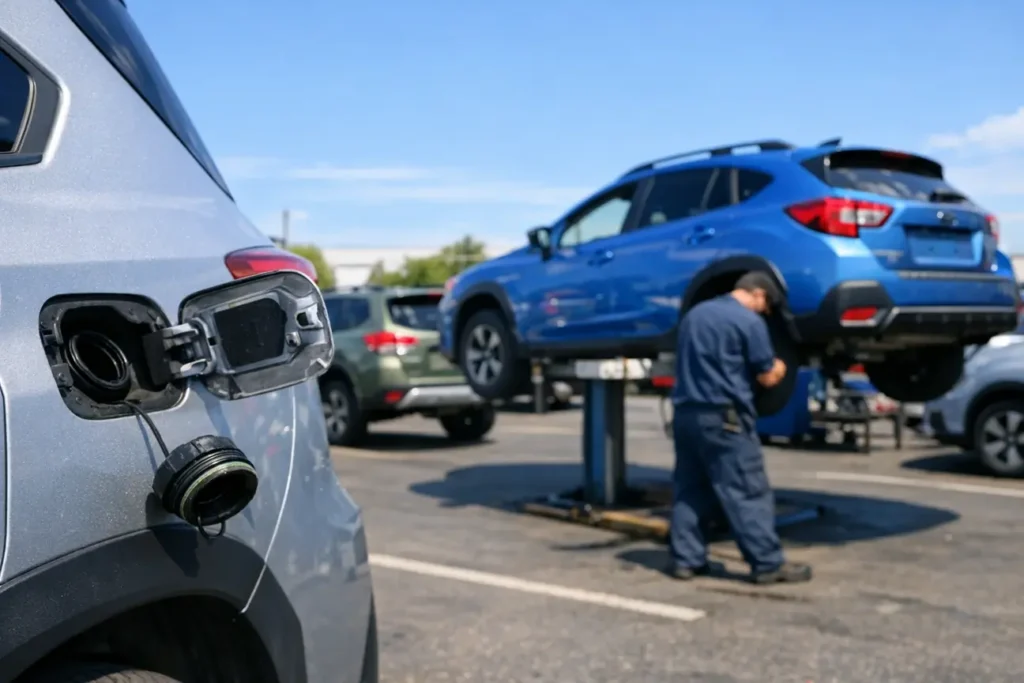
Earlier federal pullbacks on enforcing fuel-economy penalties and pursuing OBD II tampering cases had already weakened oversight. Rescinding the endangerment finding removes the framework that necessitated those mechanisms, signaling a broader federal step-back on vehicle GHG emissions even as other pollution rules persist.
What remains in force
Regulations targeting criteria pollutants (e.g., NOx, particulate matter) and air toxics remain under other provisions of federal air-quality law, continuing to constrain vehicle emissions technology choices irrespective of federal GHG policy.
Uncertainties to watch
- Court rulings on state emissions authority and their timing.
- Automaker decisions on hardware de-contenting versus maintaining global commonality.
- Potential future federal policy reversals that could re-tighten standards.
- How the removal of the start-stop credit influences remaining compliance strategies.