
Overview
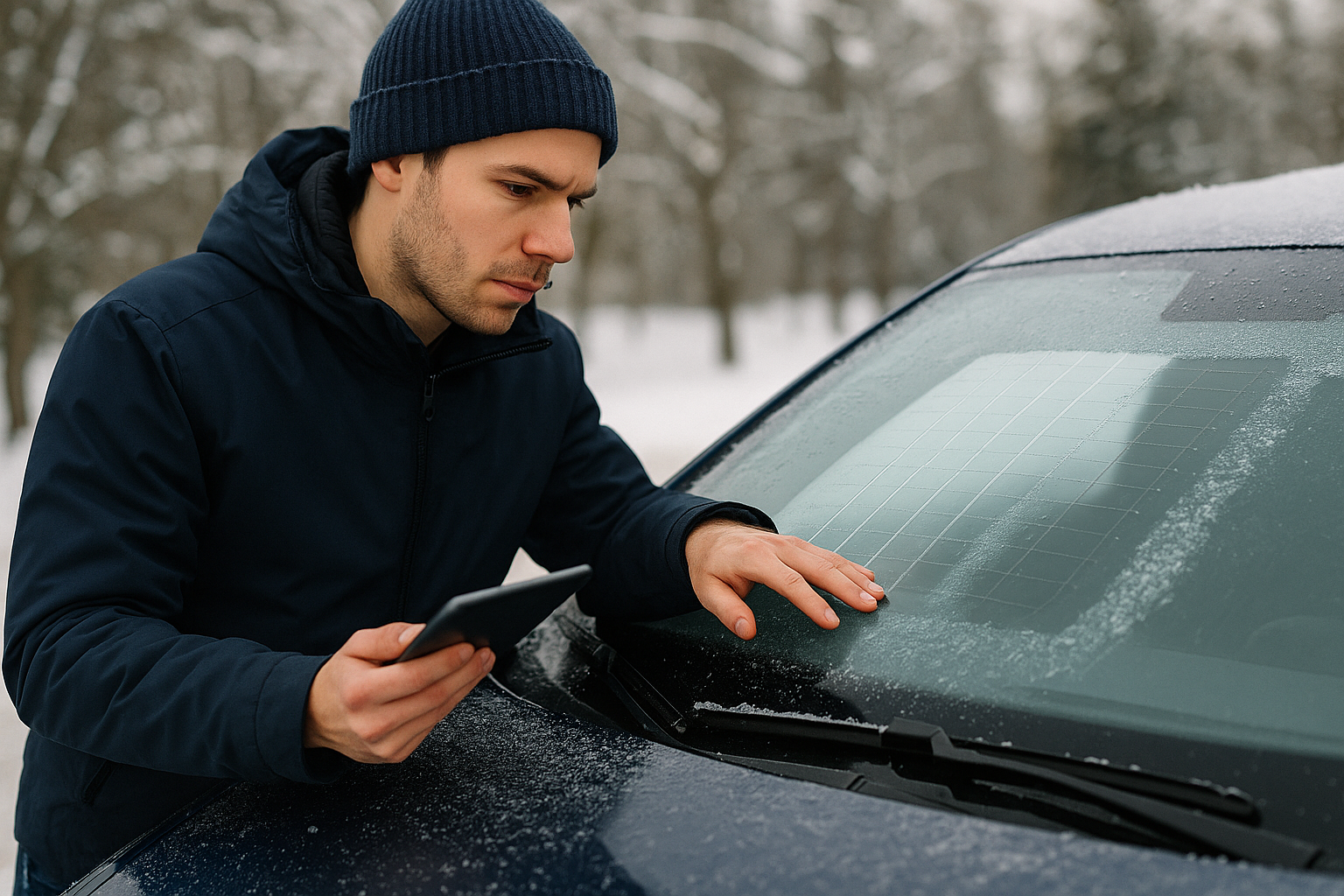
A Canadian startup, Betterfrost, is attracting fresh automaker interest with a pulsed electro-thermal windshield system designed to clear ice by melting a thin layer at the ice–glass interface. By freeing the bond so ice slides off, the company aims to cut winter defrost energy use and improve electric vehicle range.
What the technology does
Instead of relying on heated cabin air or embedded wires, sensors detect icing and a controller sends short electrical pulses through a windshield’s low-emissivity coating. This concentrates heat at the boundary where ice adheres, loosening it quickly while minimizing overall energy use.
Why it matters for EVs and cold climates
EVs lack steady engine waste heat, so conventional defrosting can drain batteries and reduce range. Targeting only the interface could preserve range while restoring visibility faster—benefits that also help gas vehicles by reducing dependence on engine warmup.
Claims and reported figures
- Uses 95%–99% less energy than HVAC-based deicing (Betterfrost CEO to Automotive News Canada, 2022) [claim].
- Estimated EV winter range extension of ~38 km (24 miles) from 2022 materials [claim].
- Efficiency equated to roughly $600 per vehicle in battery cost savings for automakers (2022 estimate) [claim].
- Demo video shows faster clearing than a traditional defroster on a Lexus RX, with ice dropping once the interface melts [claim].
The Drive notes these figures date to 2022 and may have changed.
Development status and partnerships
Public since 2020, Betterfrost won the 2022 Create the Future Design Contest (Automotive/Transportation). In 2024, Tier 1 supplier Denso announced a collaboration, moving the approach closer to the supply chain. The company also works with Dartmouth College’s Ice Research Lab to study ice adhesion and removal.
Potential applications
While promotional focus is on EV windshields, the approach can operate on any conductive surface. Tests have included airplane wings and coil tubes.
Integration and open questions
Automotive adoption will hinge on meeting glass clarity, strength, and durability standards; integrating coatings and power delivery; and validating performance under standardized tests. No production timeline or customer automakers were named. Supplier participation typically helps align new components with established manufacturing and validation processes.
Bottom line
Betterfrost’s pulsed electro-thermal deicing targets the ice–glass interface to clear windshields quickly with far less energy. With a major supplier partnership and academic backing, the next milestone is a confirmed production program with validated, up-to-date performance data.