
Summary
The U.S. Department of Justice (DOJ) will no longer pursue criminal charges for vehicle OBD-II software tampering under the Clean Air Act, shifting such cases to civil enforcement in coordination with the EPA. The change narrows criminal exposure for software-based tuning but leaves intact the underlying prohibitions on emissions tampering and the sale of defeat devices.
What’s new
- The DOJ announced it will stop bringing criminal cases tied specifically to OBD-II software tampering.
- Civil actions remain available and will continue “when appropriate,” in partnership with the EPA.
- Rationale cited: efficient use of resources, sound enforcement, and avoiding overcriminalization.
What stays the same
- Clean Air Act prohibitions on emissions tampering and defeat devices are unchanged.
- Hardware “deletes” (e.g., DPF/EGR removal) remain prohibited and were not included in the DOJ’s shift.
- Civil penalties, injunctive relief, and recalls remain on the table and can be substantial.
Why it matters
- Businesses involved in tuning face reduced risk of incarceration for OBD-II software tampering alone, but significant financial exposure via civil penalties persists.
- Recent cases show civil remedies can be very large (e.g., Cummins’ $1.7B settlement over defeat devices).
- Industry groups (e.g., SEMA) welcomed the narrower approach while affirming that tampering remains illegal.
Open questions
- No clarity on how the policy affects ongoing criminal cases (dismissal, pause, or conversion to civil matters).
- Unclear how prosecutors will separate OBD-II tampering from related conduct that could still be charged criminally (e.g., smuggling, fraud tied to defeat devices).
- EPA has not issued separate guidance on civil enforcement priorities post-shift.
Context and examples
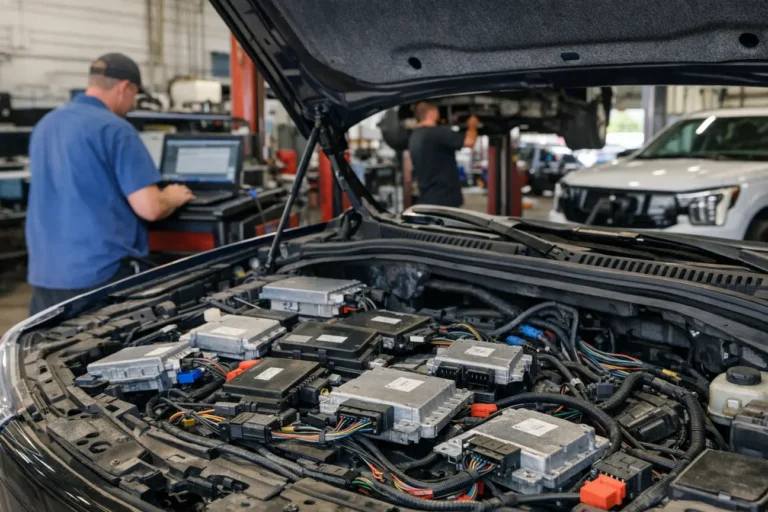
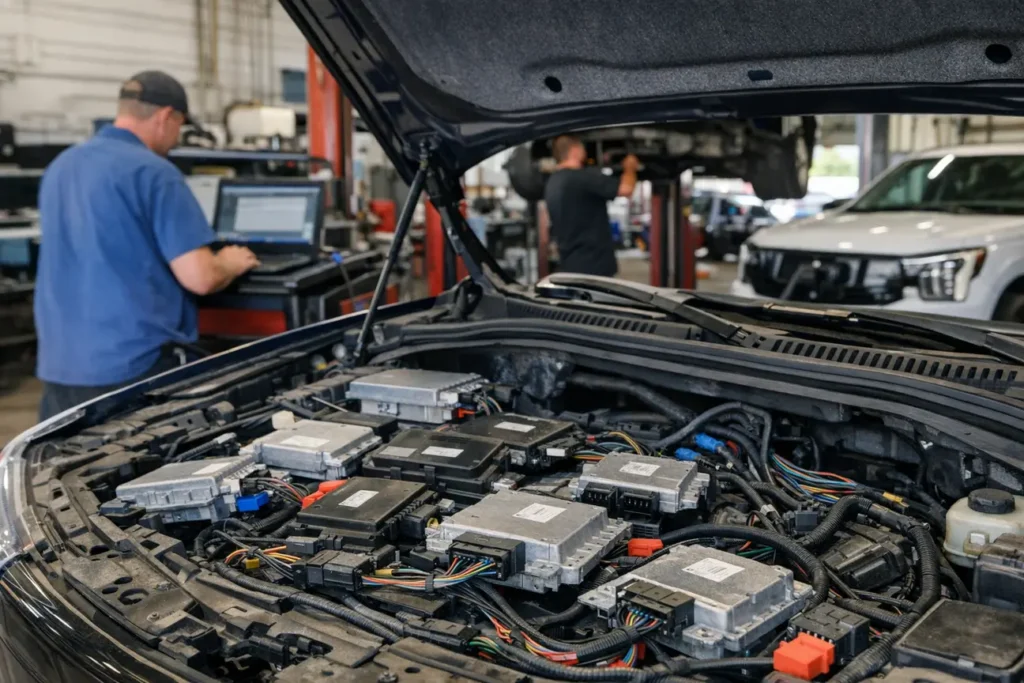
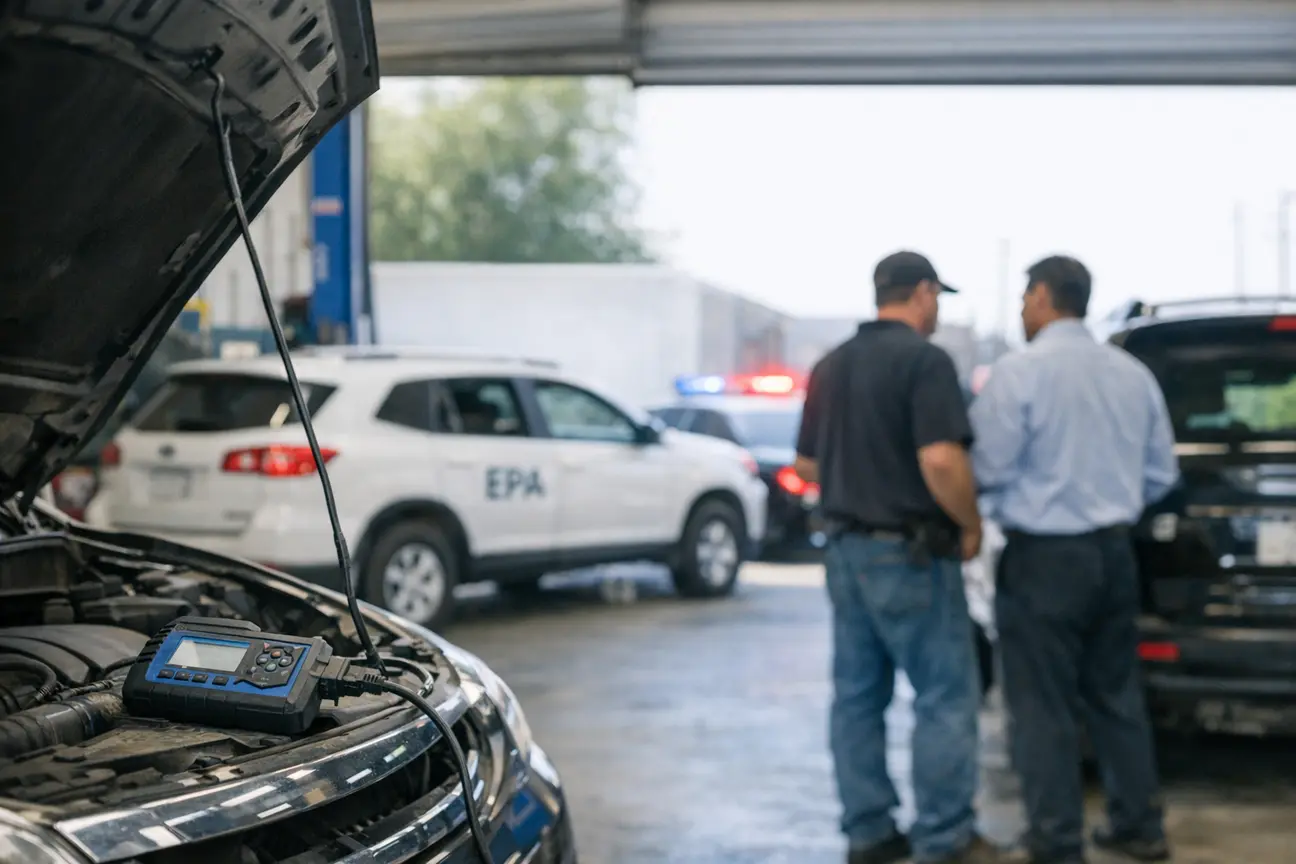
- Enforcement in recent years targeted sellers, installers, and designers of parts/software that defeat emissions controls, often via the vehicle’s OBD-II port.
- “Off-road use only” labels have not shielded products used on public roads from enforcement.
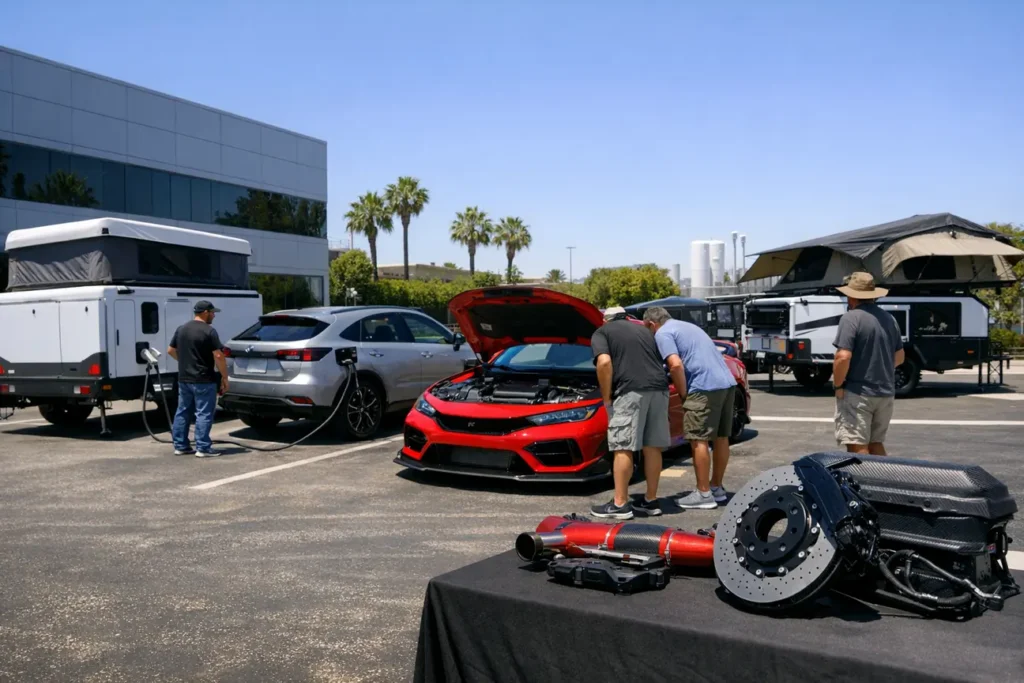
- Diesel pickups and aftermarket tuning have been frequent focal points.
Practical takeaways
- Assume Clean Air Act rules still fully apply; only the DOJ’s charging posture for OBD-II software tampering has changed.
- Expect future cases to emphasize civil penalties, injunctions, and corrective actions rather than criminal convictions for software tampering.
- Maintain clear compliance distinctions between software calibration work and any physical hardware modifications, which remain high-risk.