
Overview
The U.S. auto sector is entering 2026 with a tougher backdrop marked by elevated vehicle prices, softer demand, and policy uncertainty. Automakers and dealers are pivoting toward value-focused offerings and tighter cost discipline to protect margins in what is expected to be a flatter, less predictable year than the post-pandemic rebound.
Affordability pressure is the central headwind
-
Average new-vehicle transaction prices hovered near $50,000 late in 2025, roughly 30% higher than early 2020 levels.
-
Price growth since 2020 ran far above the pre-pandemic norm (roughly 9% annually from 2020–2022 versus about 3% previously), resetting the market at a higher baseline.
-
Auto insurance premiums rose about 13% per year on average over the last five years, adding to total ownership costs alongside repairs and maintenance.
-
Median households needed about 36.3 weeks of income to buy the average new vehicle in late 2025 (improved from a pandemic peak of 42.2 weeks but above the 33.7 weeks seen in late 2019).
The cumulative effect has narrowed the buyer pool, especially for middle- and lower-income consumers, and increased price sensitivity on dealer lots.
Demand and sales trajectory
U.S. light-vehicle sales reached about 16.3 million in 2025—better than the pandemic years but still under the 17 million-plus run rates seen before 2020. Forecasts for 2026 point to flat-to-lower volumes, and executives are signaling caution on consumer demand.
How automakers are adjusting
-
Rebalancing toward affordability: More lower-priced trims and a bigger push into certified pre-owned (CPO) programs backed by factory warranties.
-
Model-mix rethink: After years of prioritizing high-margin trucks and SUVs, manufacturers are reopening discussions on segments previously abandoned. Ford is reassessing sedans, while GM and Stellantis have largely emphasized trucks and utilities in recent years.
-
Pricing vigilance: With tariffs and other cost pressures still in play, companies expect sticker prices to remain under upward pressure, even as they work to sustain value.
Policy, trade, and regulatory uncertainty
Renegotiation of the USMCA later this year could reshape content rules and cross-border production economics. Current tariff structures create differing cost advantages by source country and U.S. content, potentially benefiting automakers with larger U.S. footprints depending on the outcome. Meanwhile, Washington scrutiny of pricing has intensified, and evolving EV/autonomous regulations and prior supply-chain shocks continue to complicate planning.
Investor lens and earnings setup
-
Analysts broadly expect a challenging relative year for autos given flat volume expectations, though some still see reasons for optimism among U.S. manufacturers.
-
GM reaffirmed that 2026 should improve on 2025. For 2025, GM guided to adjusted EBIT of $12–$13 billion, adjusted EPS of $9.75–$10.50, and adjusted automotive free cash flow of $10–$11 billion (up from $7.5–$10 billion).
-
Fresh guidance is due imminently, with GM reporting Tuesday and Tesla Wednesday.
Dealer-floor dynamics
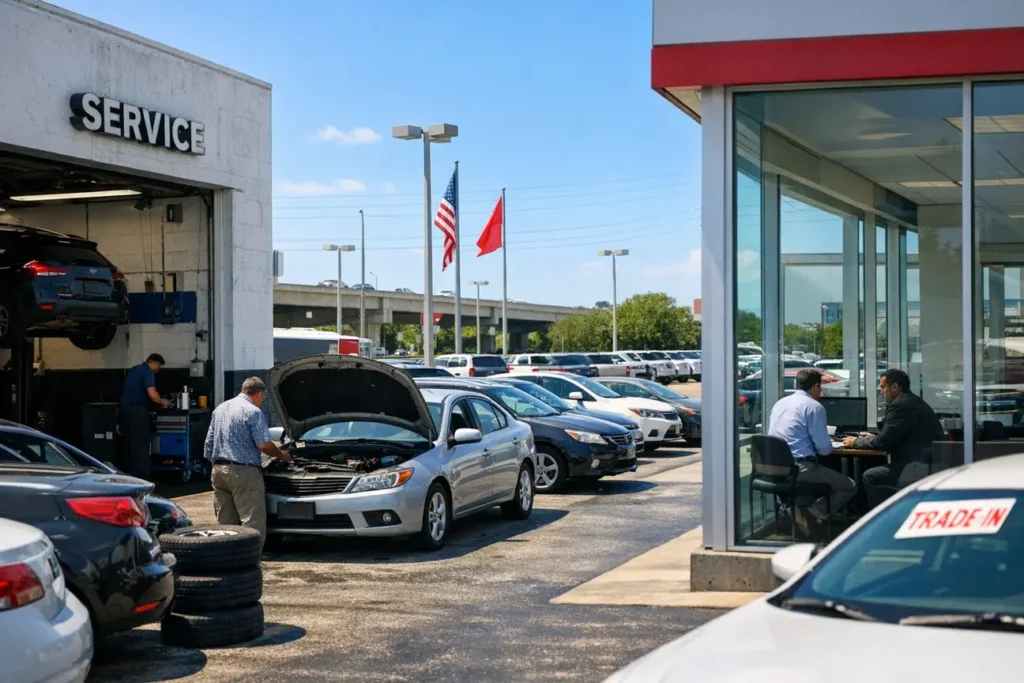
Retailers are tailoring inventory and incentives toward more affordable trims and CPO options, mindful of tighter budgets, higher borrowing costs, and elevated insurance premiums. Financing terms and model availability remain focal points in closing deals.
What to watch next
-
Company earnings updates on pricing, incentives, and production plans.
-
Early signals from Washington and Ottawa on USMCA timing and priorities.
-
How automakers balance pricing discipline with the need to support sales without eroding profitability.
Bottom line: 2026 is shaping up as a bridge year defined by affordability challenges and policy uncertainty. Success will hinge on tight cost control, calibrated production, sharper value propositions, and close tracking of consumer behavior.