
Summary
Fraser Brown, managing director of MotorVise, argues that policy uncertainty is a bigger threat to UK electric vehicle (EV) sales than the fiscal cost of incentives. Responding to the SMMT’s view that EV incentives are “unsustainable,” he contends that removing grants prematurely would disrupt a market that is scaling, confuse short-term pressures with long-term dynamics, and push more risk onto retailers.
Main arguments
- Affordability at point of sale: Incentives help close the remaining cost gap for price-sensitive buyers focused on monthly payments; withdrawing support before consistent price parity with ICE cars would slow sales and raise dealership stock risk.
- EVs are now mainstream: From the retail perspective, EVs are a core part of forecourt mix, not a niche product driven only by regulation.
- Policy stability over cuts: Retailers need predictable frameworks—especially around the ZEV mandate—so they can plan inventory, training, and capital; abrupt policy shifts would undermine execution.
- Retention advantage: Brown cites research indicating high EV owner stickiness (claim: roughly nine in 10 would not return to ICE), framing incentives as accelerants of an experience-led product, not artificial props.
- Domestic industry support: Grants can help UK/EU legacy manufacturers scale, protect jobs, and compete globally; Brown also notes Chinese brands are on track for roughly one in ten UK EV sales (claim).
Market data cited
- 2025 registrations: just over 2 million new cars, with about 473,000 battery-electric vehicles—just under one-quarter of the market (as cited by Brown).
Implications for dealers
- Sales velocity: Removing incentives would likely slow throughput and increase stock exposure just as scale matters for cost reduction.
- Margins and risk: Dealers have already absorbed higher costs and tighter margins; cutting support now shifts more risk onto retail networks.
- Customer lifecycle value: Reported high satisfaction and repeat behavior among EV drivers (claim) can enhance retention and aftersales opportunities.
Policy and the ZEV mandate
Brown favors consistency: maintain the ZEV mandate and the 2030 end-of-ICE sales trajectory, allow data-driven tweaks, and avoid scrapping core frameworks that shape manufacturer and retailer investment decisions.
Charging access and equity
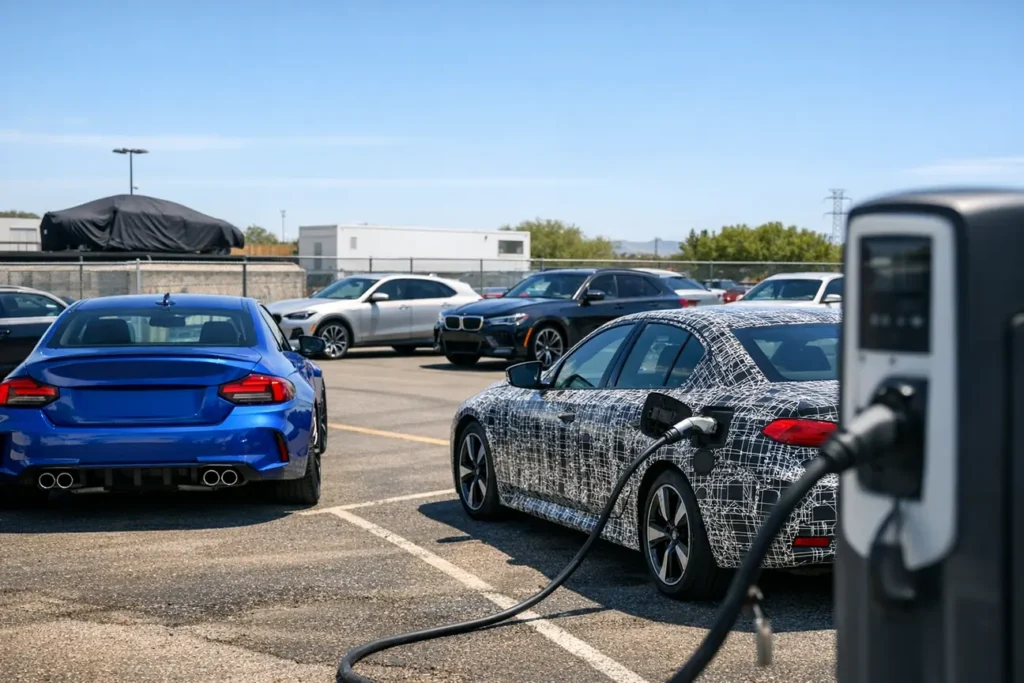
Infrastructure is improving, and off-street parkers benefit from cheap overnight electricity. However, motorists without home charging face higher costs and more friction. Until public/on-street charging expands and pricing evens out, incentives help keep EVs commercially viable for urban and mixed-use markets.
Competitive dynamics
- Scaling legacy manufacturers: Incentives can narrow technology gaps and sustain domestic production during the transition.
- Localization effects (claim): Tying support to local production could encourage overseas brands to build in the UK/EU, increasing competition, choice, and potentially sharpening prices.
Bottom line
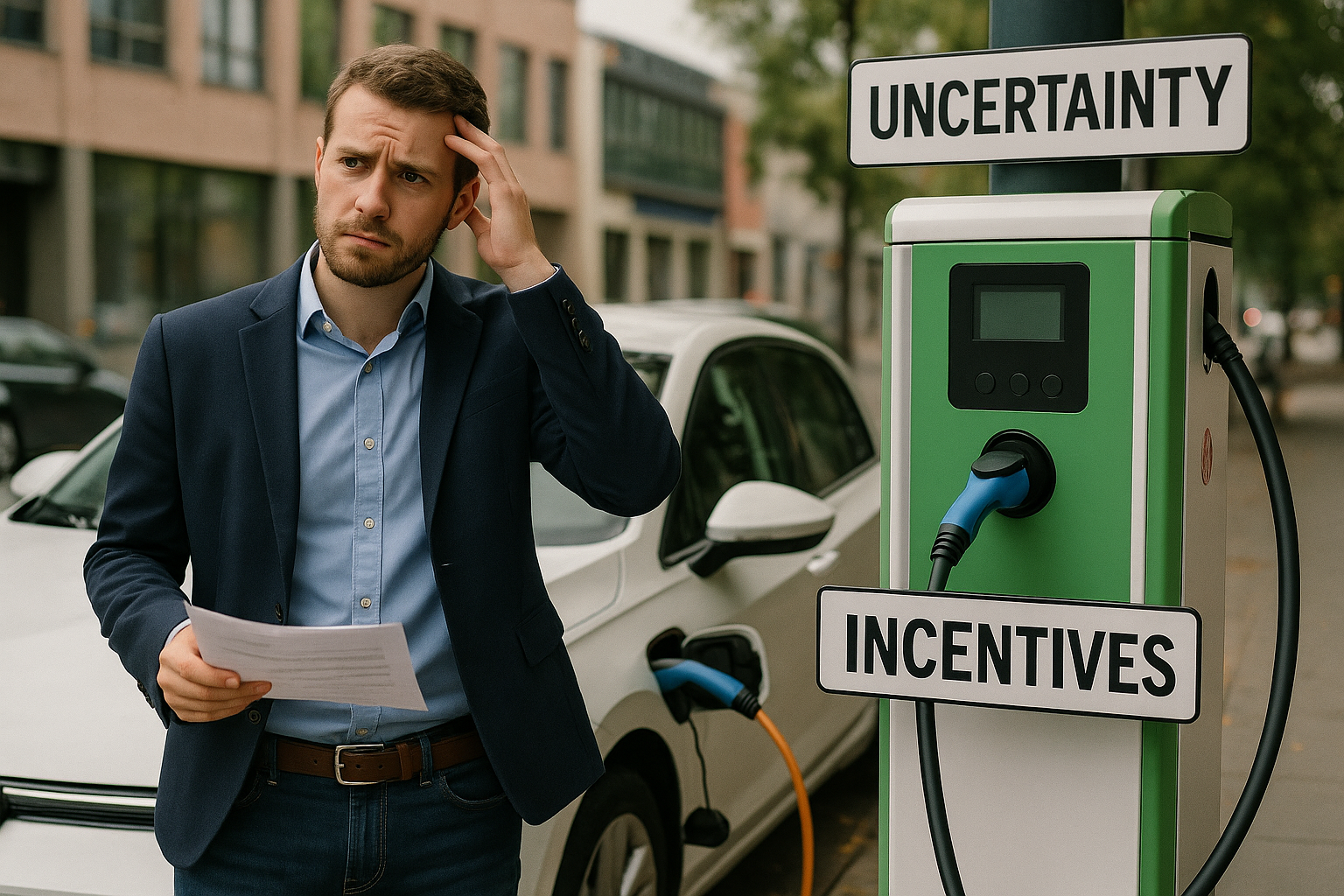
Brown separates short-term margin pressures from a long-term shift toward electrification. For a stable, profitable transition, he urges “intelligent” management of support until EVs stand on their own economics—and warns that uncertainty, not incentives, is the bigger risk to retailers and consumers.