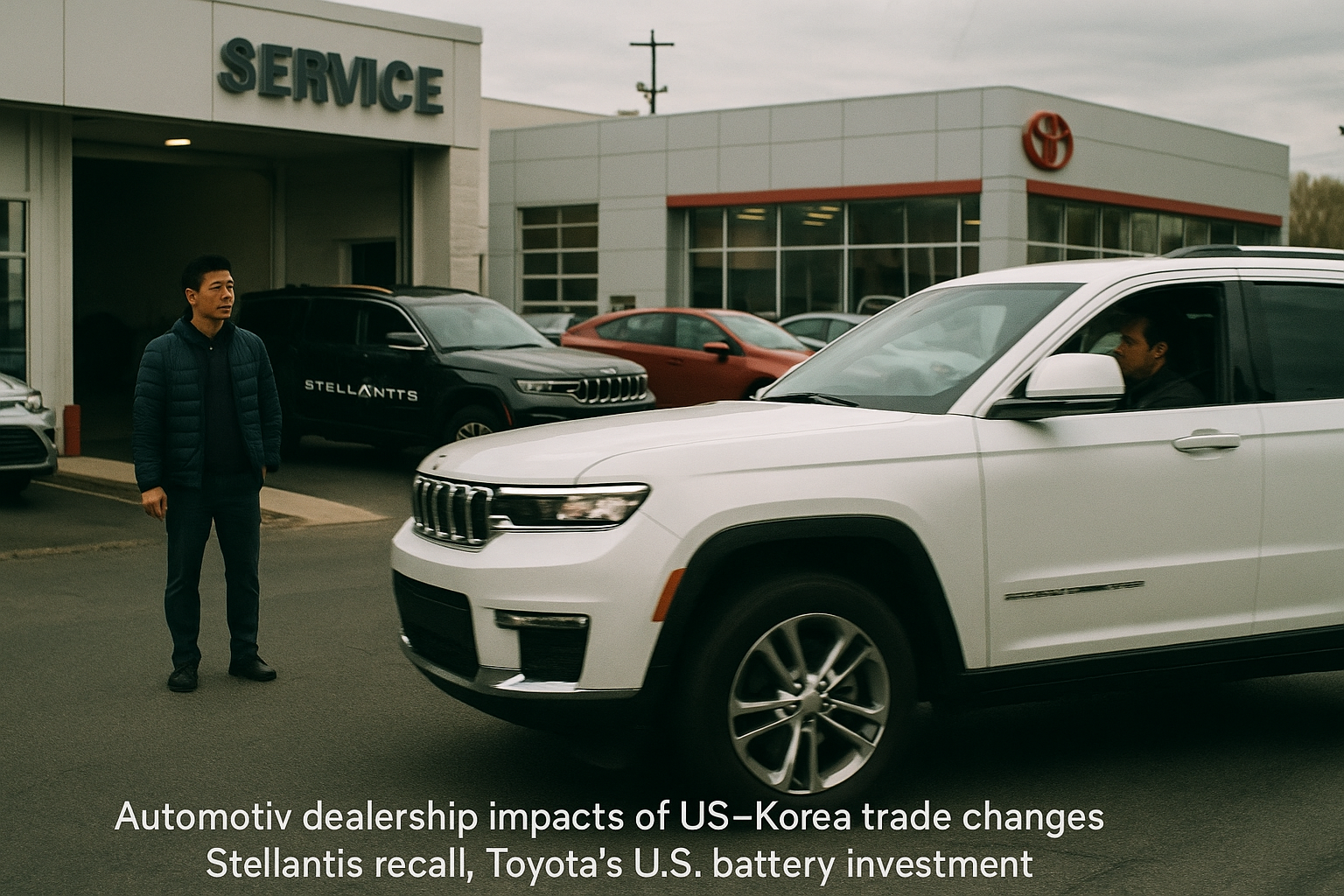

CBT News’ Nov. 14 newscast highlights three developments with near-term implications for pricing, supply chains, and dealership operations: a U.S.–South Korea agreement that could lower auto tariffs (with a CBT claim it may “unlock” up to $350 billion in investment), a Stellantis recall affecting over 112,000 U.S. vehicles for engine failure and fire risks, and Toyota’s additional $10 billion U.S. investment to launch its first domestic battery plant.
Key takeaways
- Trade/tariffs: Details of the U.S.–South Korea deal were not disclosed, but lower duties could reduce costs and broaden sourcing for automakers operating across both markets. Any changes would layer onto the existing KORUS framework and may arrive with phased timelines and sector-specific provisions.
- Scale (claim): CBT News said the pact would “lower auto tariffs and unlock $350 billion investment,” without clarifying sector breakdowns or timing. Treat as preliminary until agencies publish specifics.
- Dealer impact (tariffs): Pricing, model availability, and content sourcing—especially for Korea-built models and parts—could shift quickly once timelines are known, influencing order guides and customer messaging for the 2026 model year.
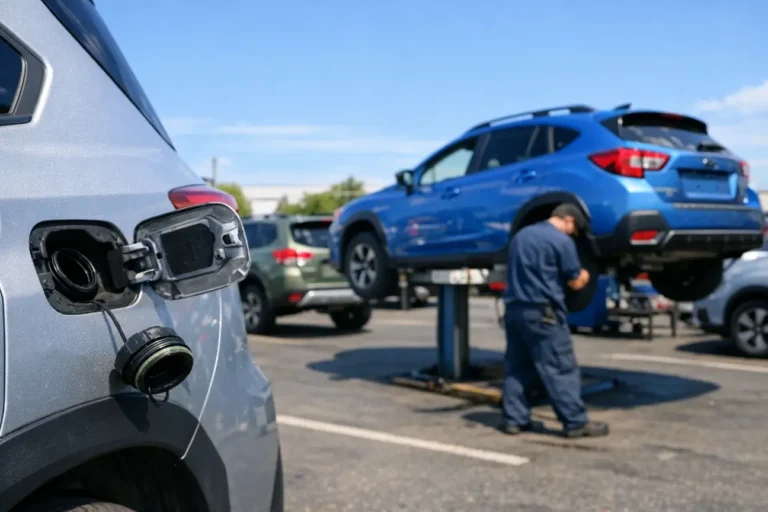
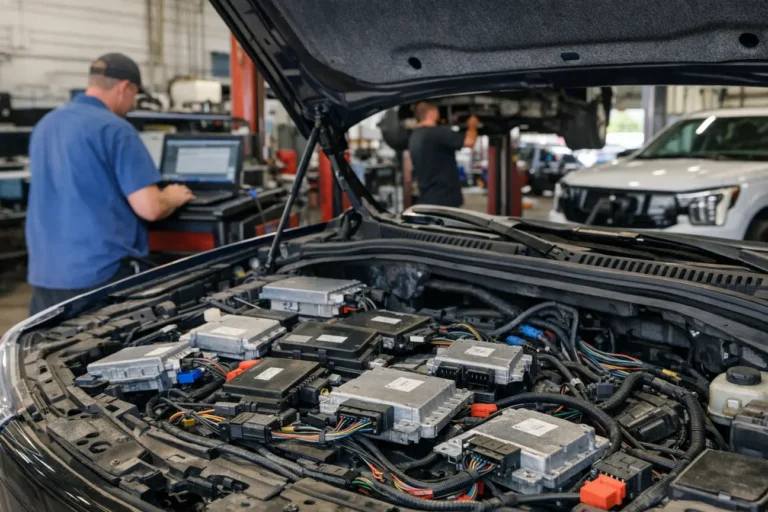
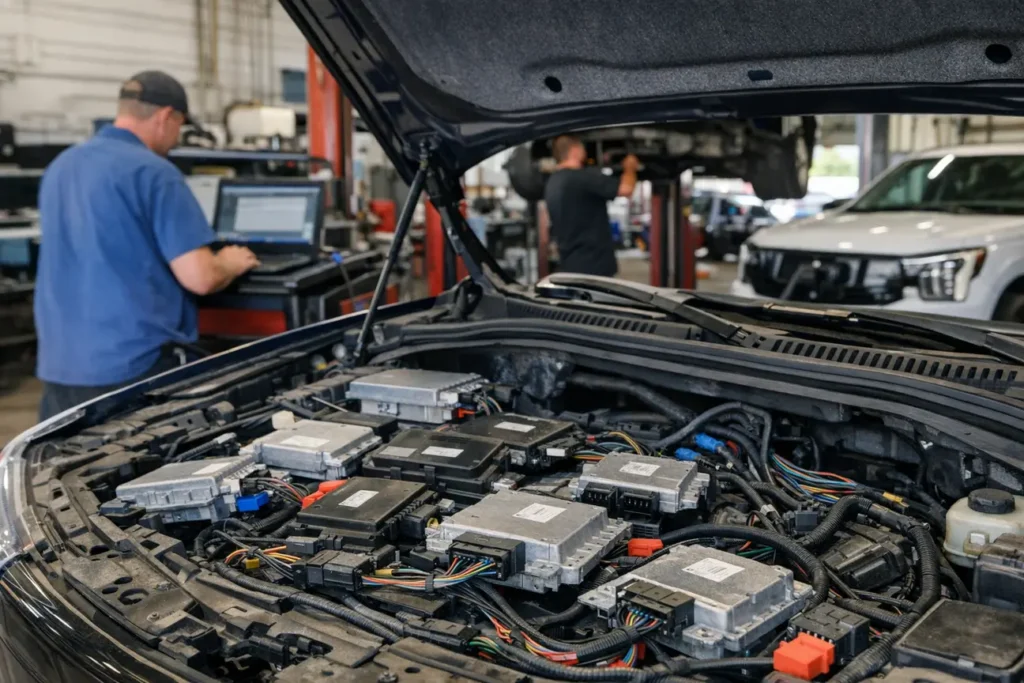
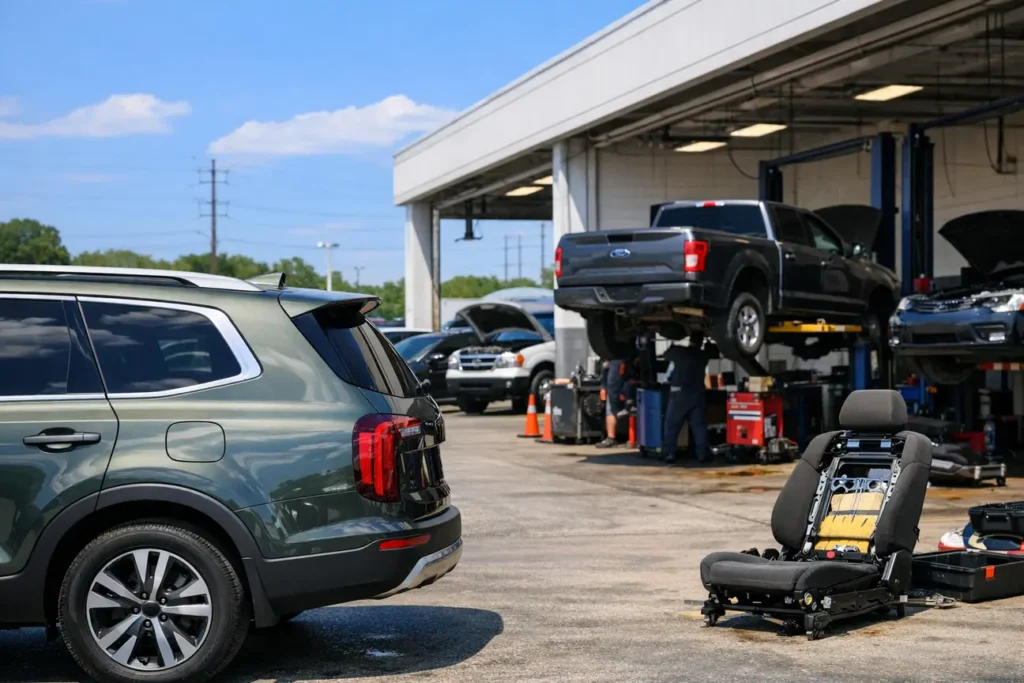
- Safety/recall: Stellantis is recalling 112,000+ vehicles for engine failure and fire risks; nameplates and model years were not listed. Recalls are free to customers; dealers typically perform inspections/repairs per NHTSA filings, which can drive short-term service backlogs and parts planning needs.
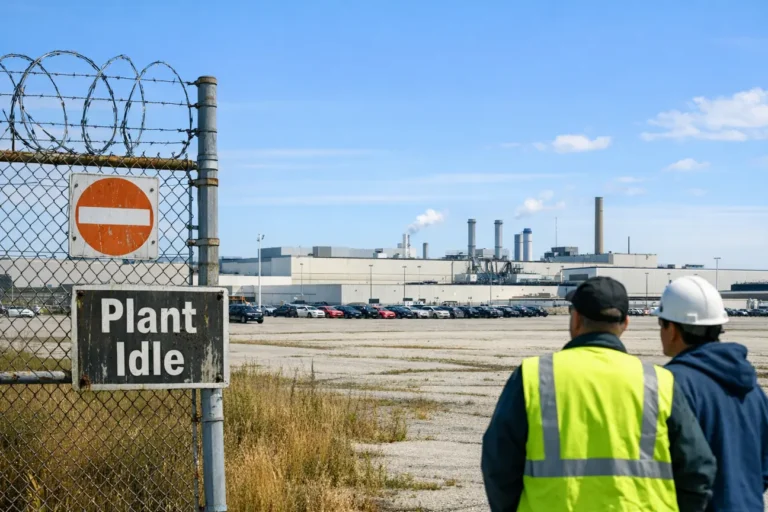
- Electrification/manufacturing: Toyota will invest $10 billion and open its first U.S. battery plant; location, capacity, and timeline weren’t provided. Domestic cell production can shorten supply chains, support eligibility for incentives tied to content rules, and steady allocation for electrified models.
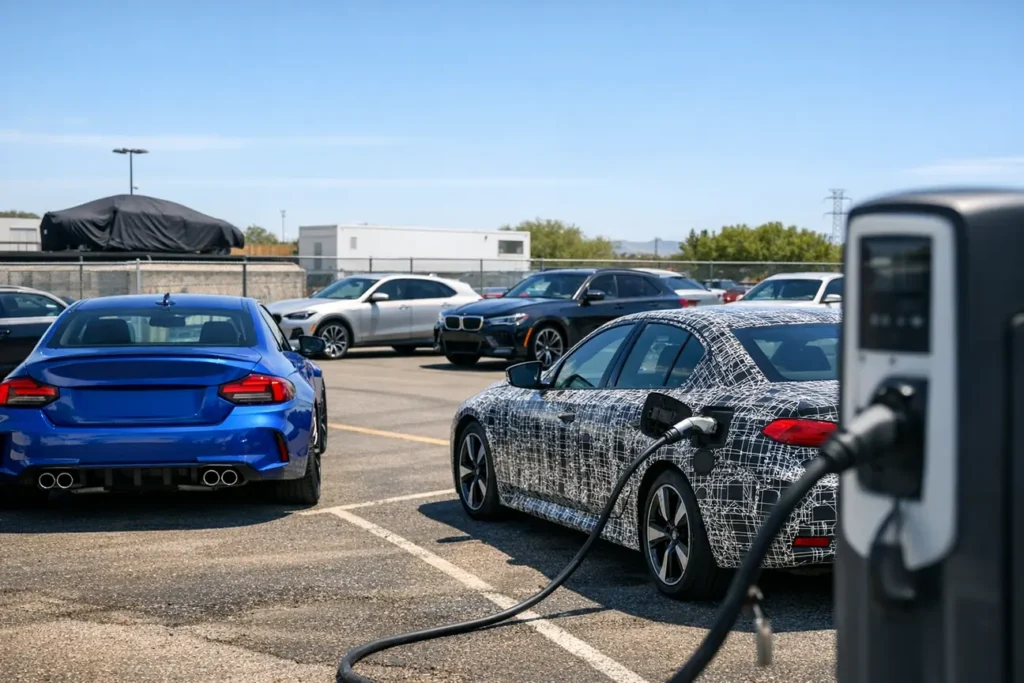
- Inventories: Rising new-vehicle inventory ahead of holidays could influence pricing and incentives, intensifying competition for year-end deals.
What to watch next
- Official tariff texts: covered categories, phase-ins, and alignment with EV-related content requirements that affect consumer tax credits.
- NHTSA recall documentation: affected Stellantis models/years, repair instructions, and parts availability schedules.
- Toyota battery plant milestones: site announcement, capacity targets, supplier ecosystem, hiring, and start-of-production timing.
- OEM order guide updates and incentive moves as inventory builds into the holiday period.
Dealer considerations
- Prepare alternative sourcing and pricing scenarios for Korea-linked models/parts pending tariff details.
- Queue service capacity and parts forecasts for the Stellantis recall; coordinate customer outreach once VINs and procedures are posted.
- Leverage domestic-content messaging for electrified models as Toyota and others expand U.S. battery output.
- Balance floorplan costs with targeted trims/powertrains most sensitive to monthly payment comparisons in a rate-focused market.
Bottom line: Trade shifts, a major recall, and new battery manufacturing all converge to reshape costs, availability, and service loads—areas dealers and suppliers will feel before consumers see the full effect on the showroom floor.