
Summary
Consumer Reports links widespread charging failures and sudden power loss in Hyundai, Kia, and Genesis EVs to a faulty Integrated Charging Control Unit (ICCU), prompting recalls, repairs, and parts strain. In a survey of about 380,000 owners, 2% to 10% of Hyundai and Kia EV owners reported ICCU issues—well above the typical 1% or less for similar vehicles—often including vehicles coming to a stop despite showing sufficient charge.
What the ICCU Does and Why Failures Matter
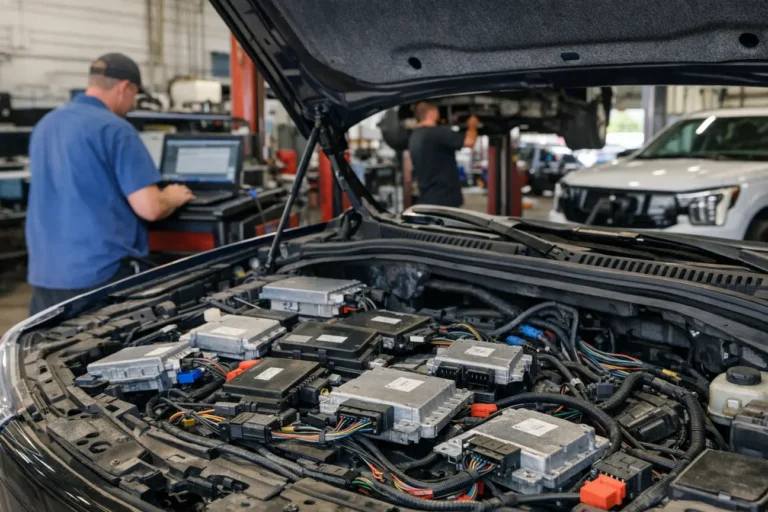
The ICCU bridges the high-voltage propulsion battery and the 12‑volt electrical system, converting power and maintaining the 12‑volt battery that supports safety systems, controls, and infotainment. When it fails, low‑voltage systems can shut down even if the main battery has range, potentially immobilizing the vehicle or limiting it to a short operating window.
Common Symptoms Reported
- Warning lights and restricted power or limp mode
- Loss of power while driving, sometimes stopping despite showing charge
- Ability to DC fast charge while 12‑volt powered systems fail (safety features and control modules)
Recalls and Repairs
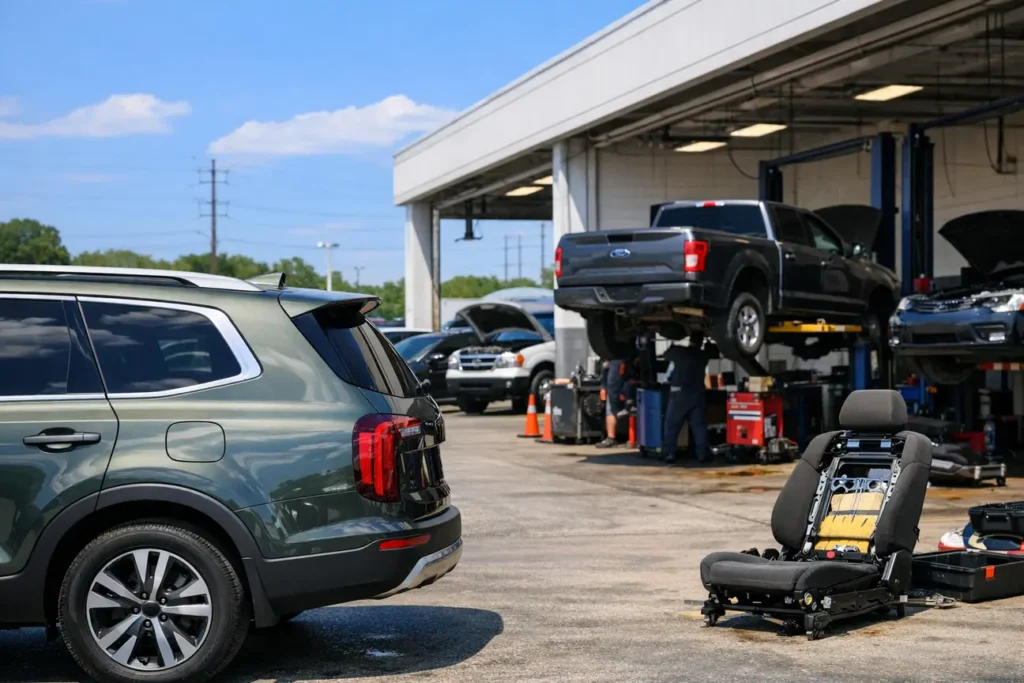
Hyundai Motor Group issued two recalls and is pursuing software updates and hardware replacements. Many owners continue to report problems, increasing service demand and, at times, delays due to parts logistics. Hyundai says it is expediting parts and will reimburse some related costs; Kia says parts are currently in stock. No comment from Genesis was relayed.
Dealer Repair Path
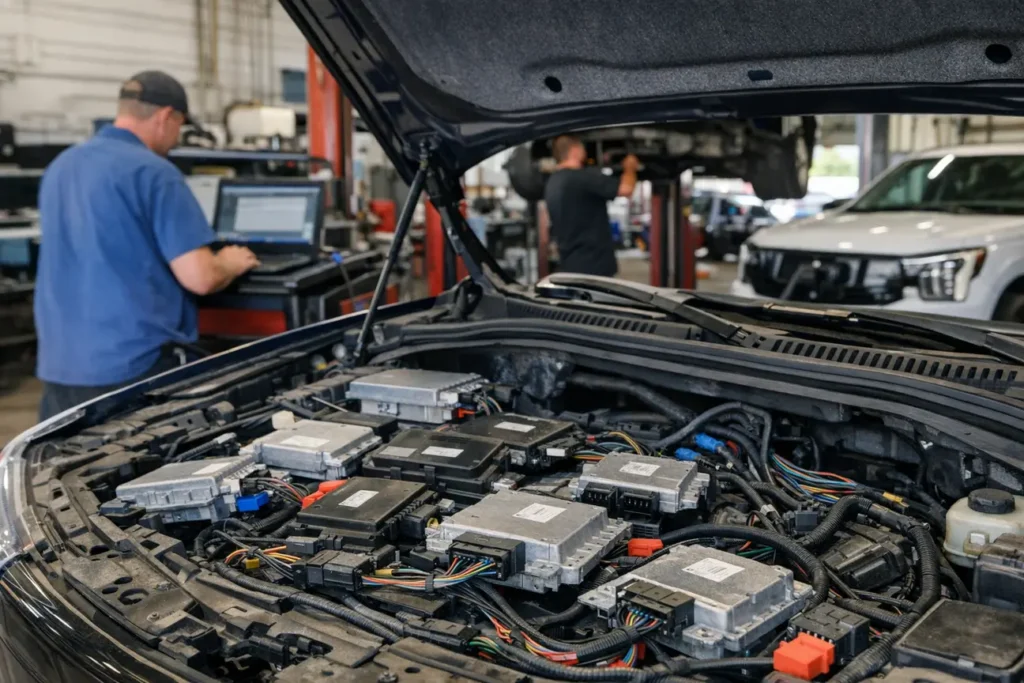
- Scan for a specific ICCU-related trouble code in the engine control unit.
- If the code is present: replace the ICCU and associated fuse, and perform a low‑conductivity coolant flush at no cost.
- If the code is not present: perform an ICCU software update intended to prevent failure.
Despite these measures, a notable share of owners still encounter issues, suggesting durability and parts availability remain challenges.
Technical Cause Cited
Consumer Reports (citing prior coverage) ties failures to transistor breakdown from overvoltage spikes at the beginning and end of the 12‑volt battery’s charging cycle. Repeated stress can degrade the ICCU until it can no longer reliably manage low‑voltage power, triggering warnings, power limits, or shutdowns.
Impact on Reliability and Rankings
The 2%–10% ICCU issue rate contrasts with a 1% or less baseline for similar vehicles, weighing down scores even for otherwise strong performers. For example, the Hyundai Ioniq 5 scored lower overall than the Tesla Model Y due to ICCU-related reliability, keeping it off Consumer Reports’ Top Picks despite strong road-test results.
What Owners Should Do
- Schedule service promptly if warning lights appear or power is reduced.
- Ask the dealer to check for the ICCU trouble code and apply applicable recall or service campaign repairs at no cost.
- If the code is present, confirm ICCU and fuse replacement plus a low‑conductivity coolant flush were performed.
- If no code is present, confirm the latest ICCU software update was installed to prevent overvoltage damage.
- Retain documentation for possible reimbursement (as Hyundai has indicated for some out‑of‑pocket costs).
Broader Context
Early EV components that manage interfaces between high‑ and low‑voltage systems have shown growing pains. Because the ICCU powers critical electronics, its failure is more disruptive than minor infotainment bugs and has outsized effects on owner confidence and reliability scores.