
Overview
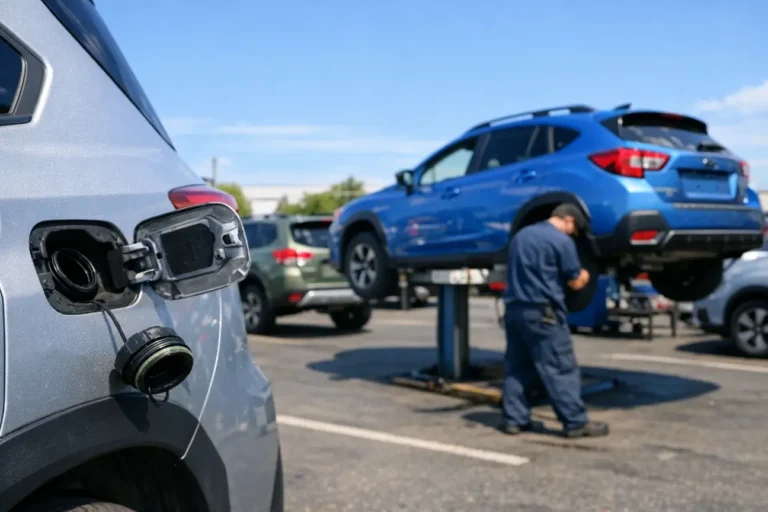
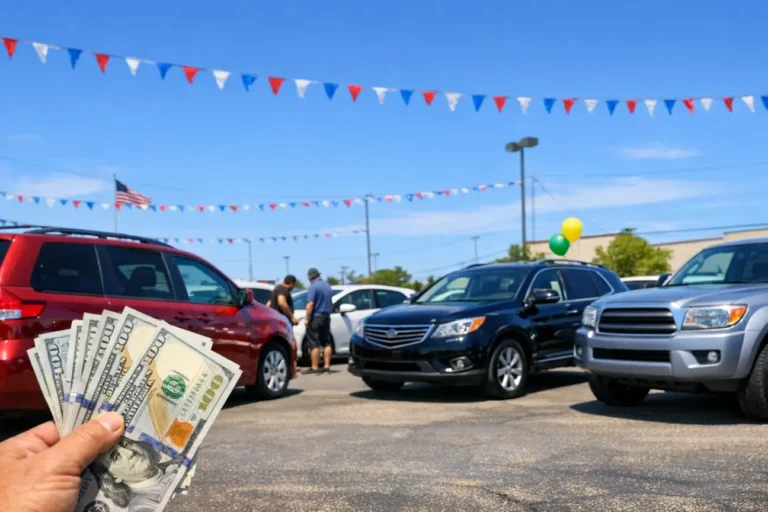
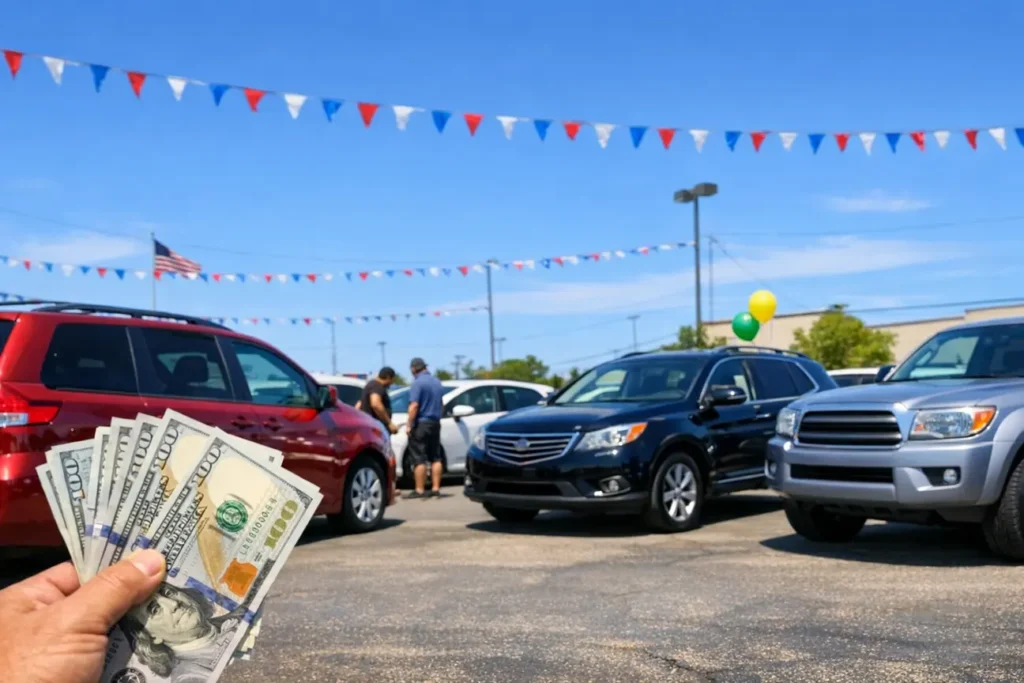
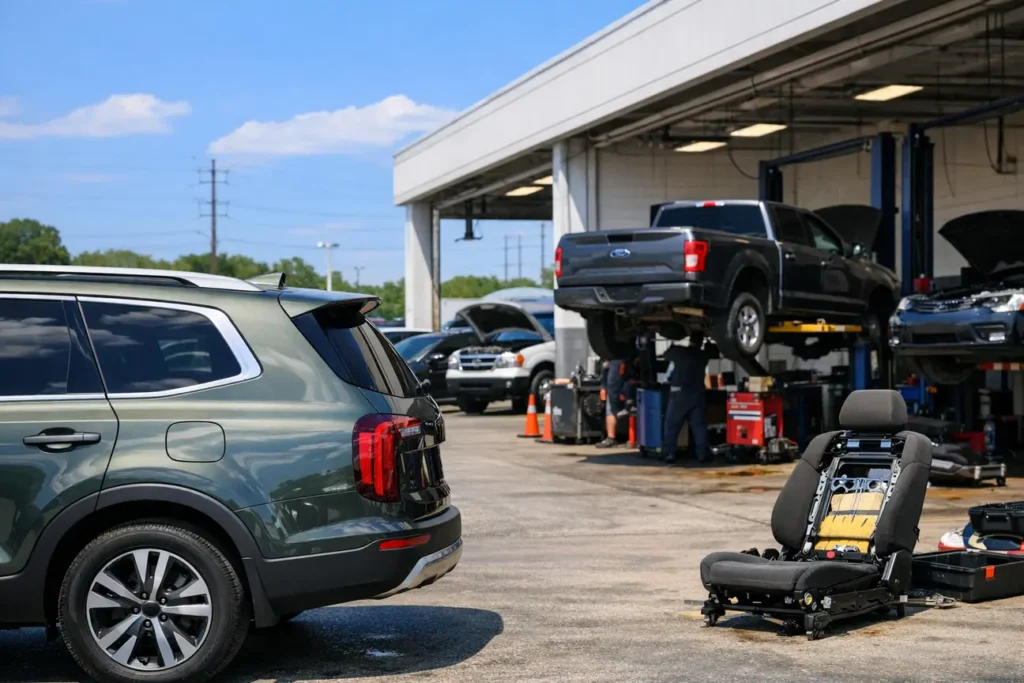
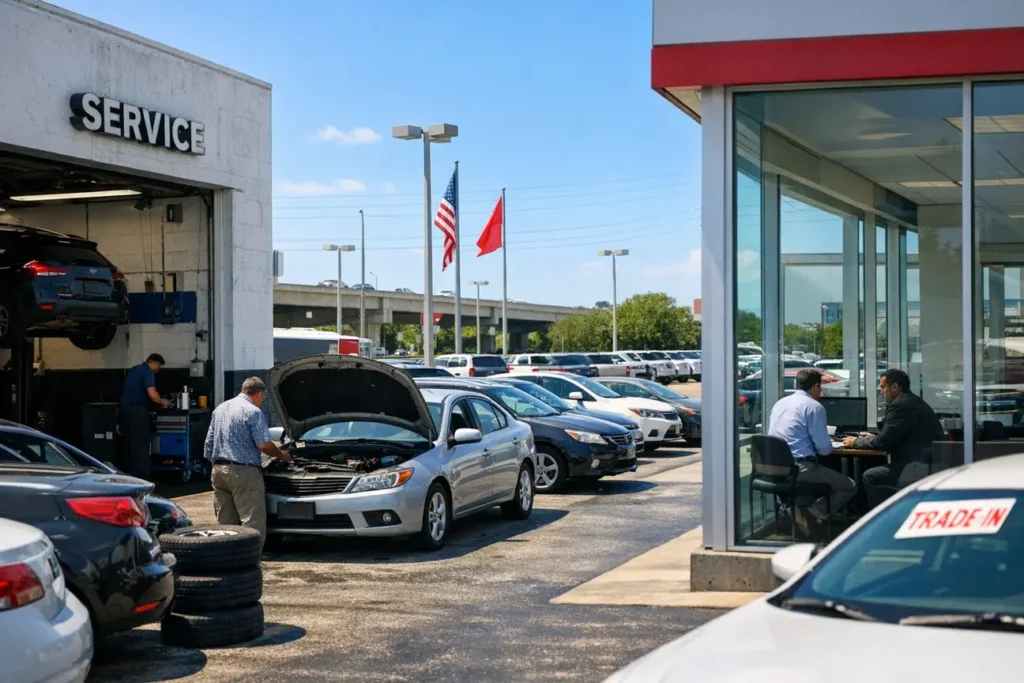
Cavender Auto Group is shifting spend from auctions to the service drive, offering aggressive trade-in and purchase numbers to service customers to bolster used-vehicle supply and deepen customer retention.
The Offer Strategy
-
Targets roughly 95–100% of book value on desirable service-lane vehicles, mirroring the true all-in costs of auction sourcing (fees, transport, reconditioning).
-
Willing to “overpay” versus auction to acquire known vehicles and keep customers in the dealership’s ecosystem.
-
Selective focus on units that fit inventory needs; priority given even at the upper end of internal pricing bands.
How It Works: Cavender Comparison
-
New service-drive tool that automatically texts customers on arrival.
-
Delivers a live appraisal package: current value, trade-in comparison, purchase offer, and projected future value.
-
Aims to remove sales pressure by letting numbers guide the conversation and turning every visit into an appraisal opportunity.
Why Reallocate Spend
-
Auctions carry add-on costs and uncertainty; service-drive vehicles often have fewer surprises and known history.
-
Redirecting auction premiums to customers strengthens loyalty and can lower long-term acquisition costs.
-
Helps reduce dependency on third-party channels while improving retention and repeat business.
Operational Shift
-
Built to standardize service-lane outreach after underperformance in the buy center/service acquisitions team.
-
Process aligns service writers with acquisitions staff for quick follow-up when customers show interest.
-
Messaging designed to draw curiosity without friction; if not ready to sell, the offer still informs future decisions.
Early Stage and Metrics
-
Too early for quantified results; the group plans to track engagement rates, appraisal requests, trade/sale conversions, acquisition costs, and retention.
-
Will compare service-lane outcomes to auction purchases over coming quarters.
Expected Outcomes
-
More predictable used inventory with better-fit vehicles and potentially lower recon surprises.
-
Higher customer lifetime value via ongoing service, referrals, and repeat sales.
-
Lower auction reliance by converting even a modest share of service traffic.
Key Takeaway
Cavender is intentionally paying near book value in the service drive as a strategic reallocation of auction spend, betting that immediate availability, known costs, and stronger relationships outweigh the optics of “overpaying” upfront.