
Summary
The Breakdown newsletter reports that Carvana is expanding into franchised auto retail, leaning on a sharpened pricing strategy and refreshed access to capital, which is pressuring traditional dealers to improve service operations and modernize digital sales.
Key points from the newsletter
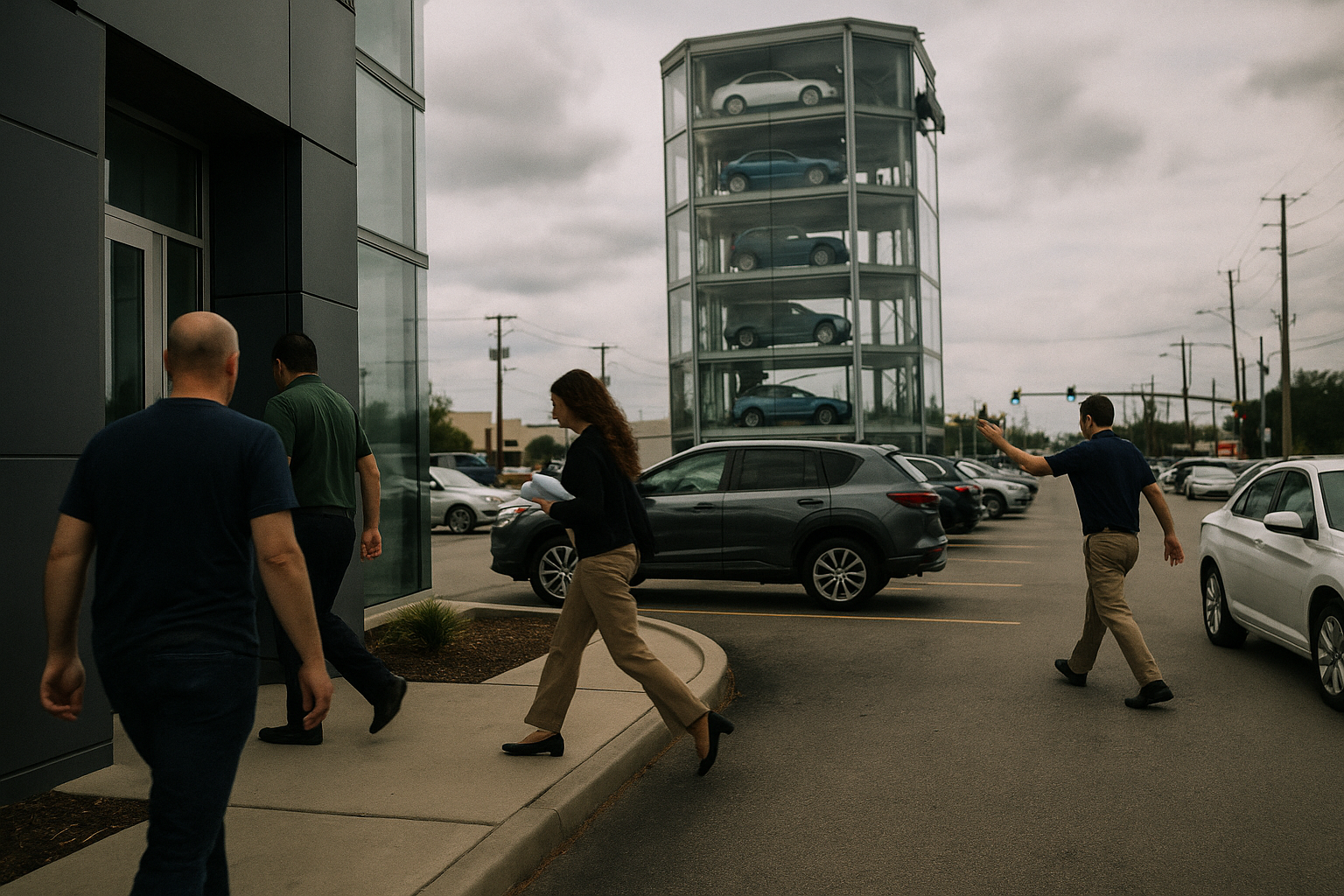
- Carvana has acquired three Stellantis stores in the past nine months; two underperformers are now reportedly among top national sellers month-to-date in November (newsletter claim).
- The newsletter argues Carvana is moving to secure multiple franchise approvals quickly, potentially before state associations mobilize; each approval could ease the next (claims).
- Stellantis is described as vulnerable—market share pressure, strained dealer relations, and motivated sellers—potentially accelerating store sales to the highest bidder (claim).
- Other players are positioning: Amazon is testing discovery layers for certified/late-model used transactions; private equity is pursuing roll-ups of singles and mid-size groups (claims).
- A reopened “capital window” is cited: Carvana’s stock rebound enabled refinancing and access to cheaper debt/equity, fueling expansion (claim).
Pricing and volume
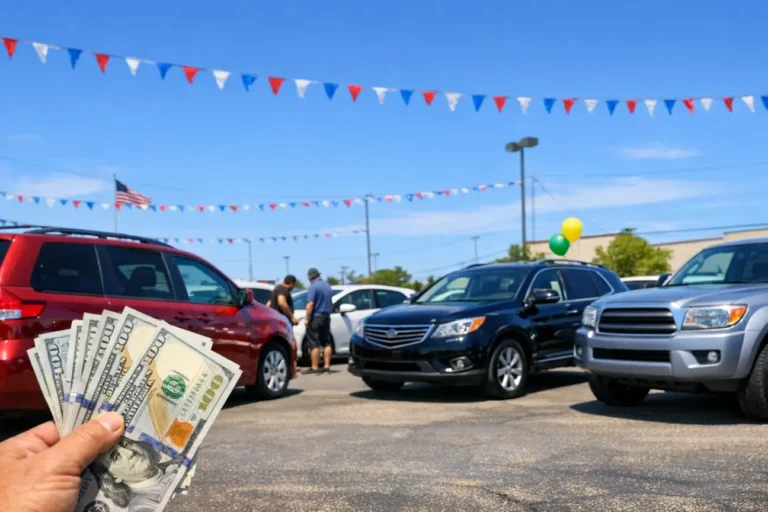
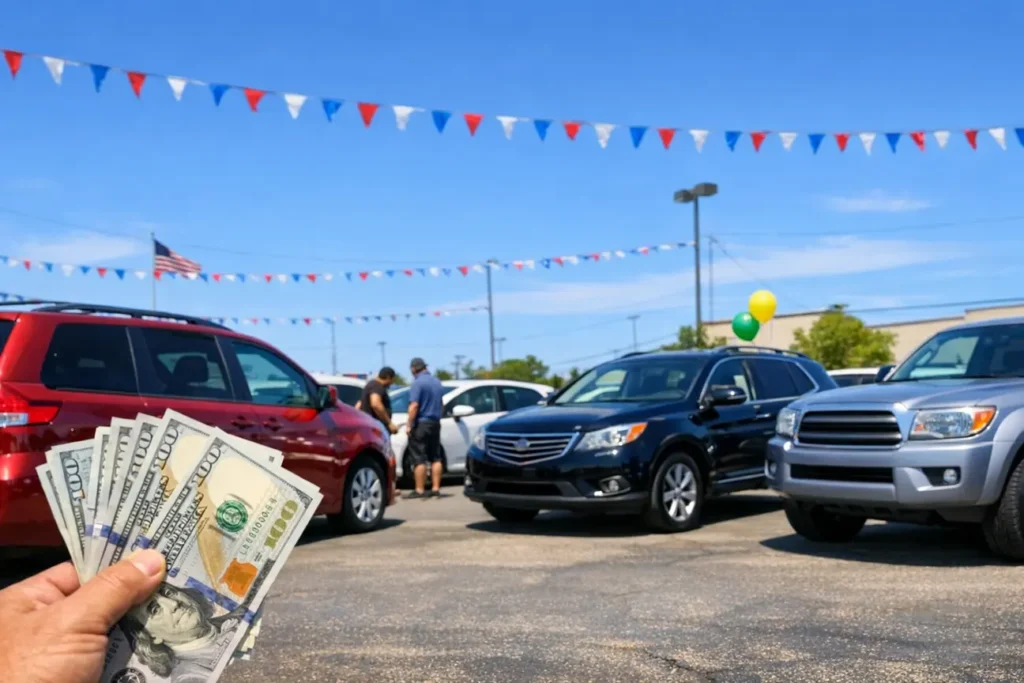
- Pricing is a core lever. Dealer Scott Gruwell says he cannot beat Carvana on vehicle price, citing Carvana’s ability to finance back-end and compress front-end margins.
- The newsletter reports examples like a Jeep Wrangler listed ~$3,000 below market while still profitable (claim).
- Inventory reportedly grew from ~53,600 to ~64,700 vehicles over three months, with advertised pricing moving from ~12% to ~15% below market; vehicle age has not “blown out,” implying fast turns (figures cited from One Auction View; claims).
Dealer responses highlighted
- Do not chase on sticker price; focus on operational discipline and capabilities that are harder to copy.
- Digital retailing is now baseline: hybrid workflows where shoppers see vehicles in person but complete most steps online (deal jackets, signatures, title work, even F&I over video).
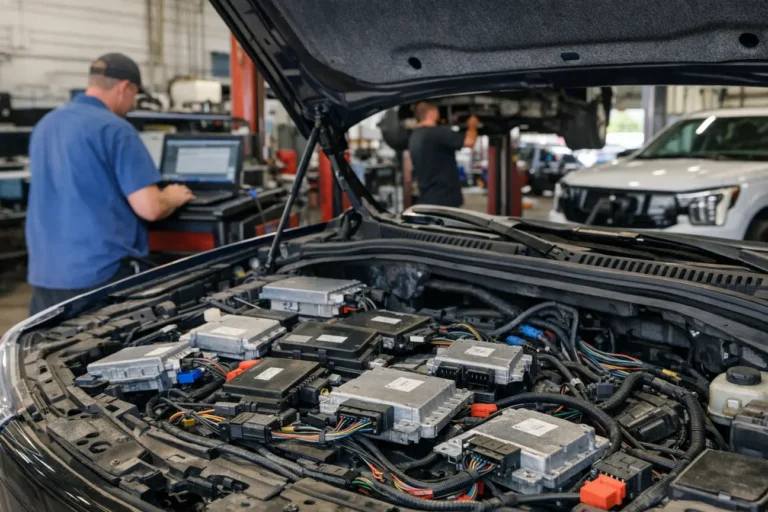
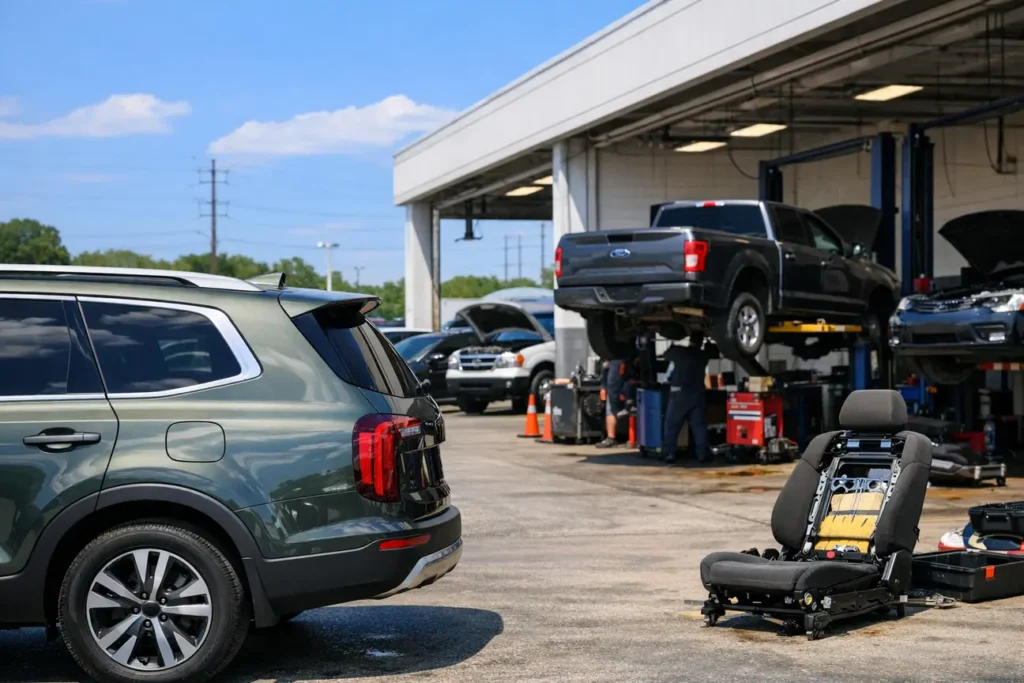
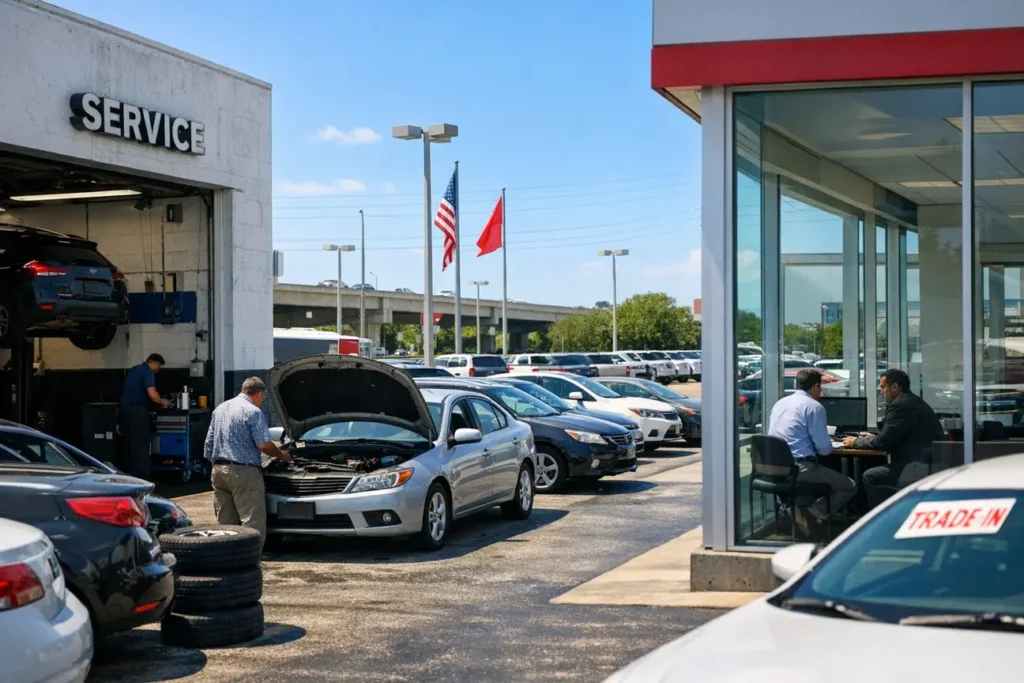
- Fixed operations (service, parts, body) framed as the most durable moat: technician training, parts logistics, and customer trust are hard to replicate quickly (claims).
- Emphasis on standardizing processes and building scalable culture; mid-size groups without differentiation and capital-light stores may face consolidation pressure (claims).
Industry context and outlook
- Automakers are testing hybrid direct models where OEMs take a bigger role in transactions while dealers deliver and service (claim).
- Four themes for franchise dealers: invest in fixed ops; adopt digital retailing that actually closes deals; strengthen community presence; increase transparency to rebuild trust (claims).
- Future pace of Carvana’s store additions and pricing aggressiveness may hinge on capital markets and potential state-level regulatory responses (claim).
Note: The points above summarize claims and analysis presented by The Breakdown newsletter and attributed interviewees.