
Overview
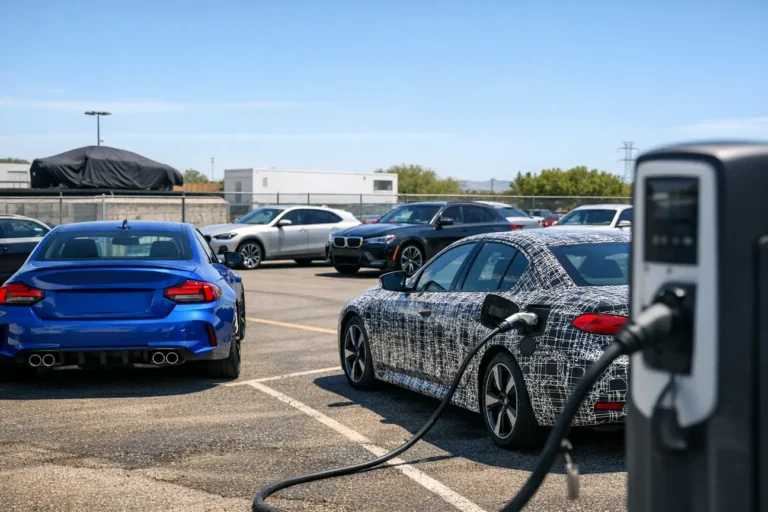
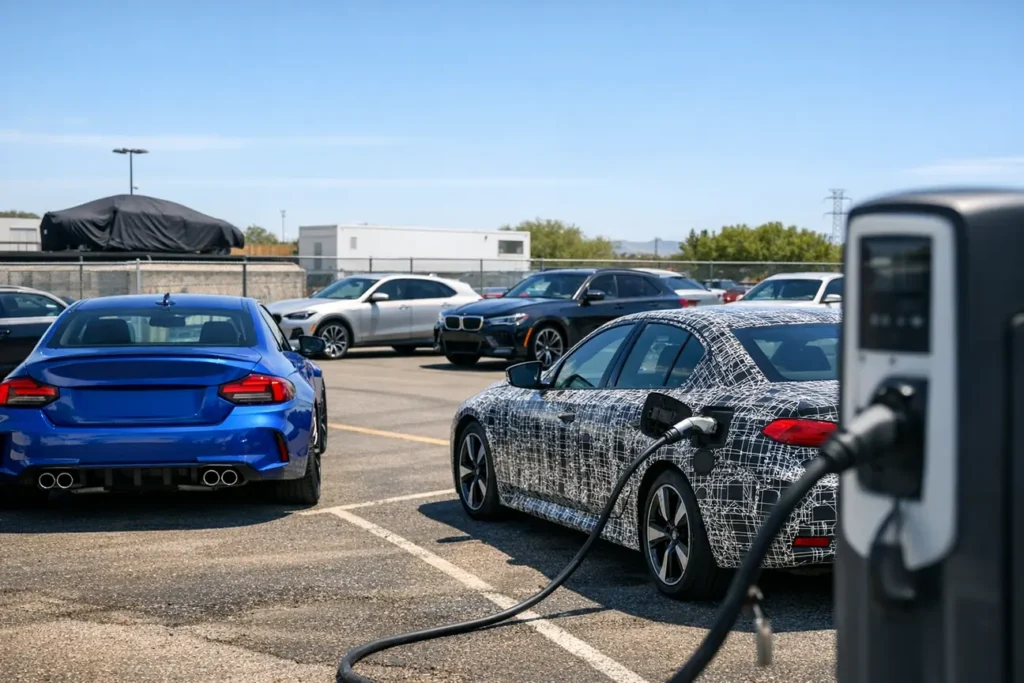
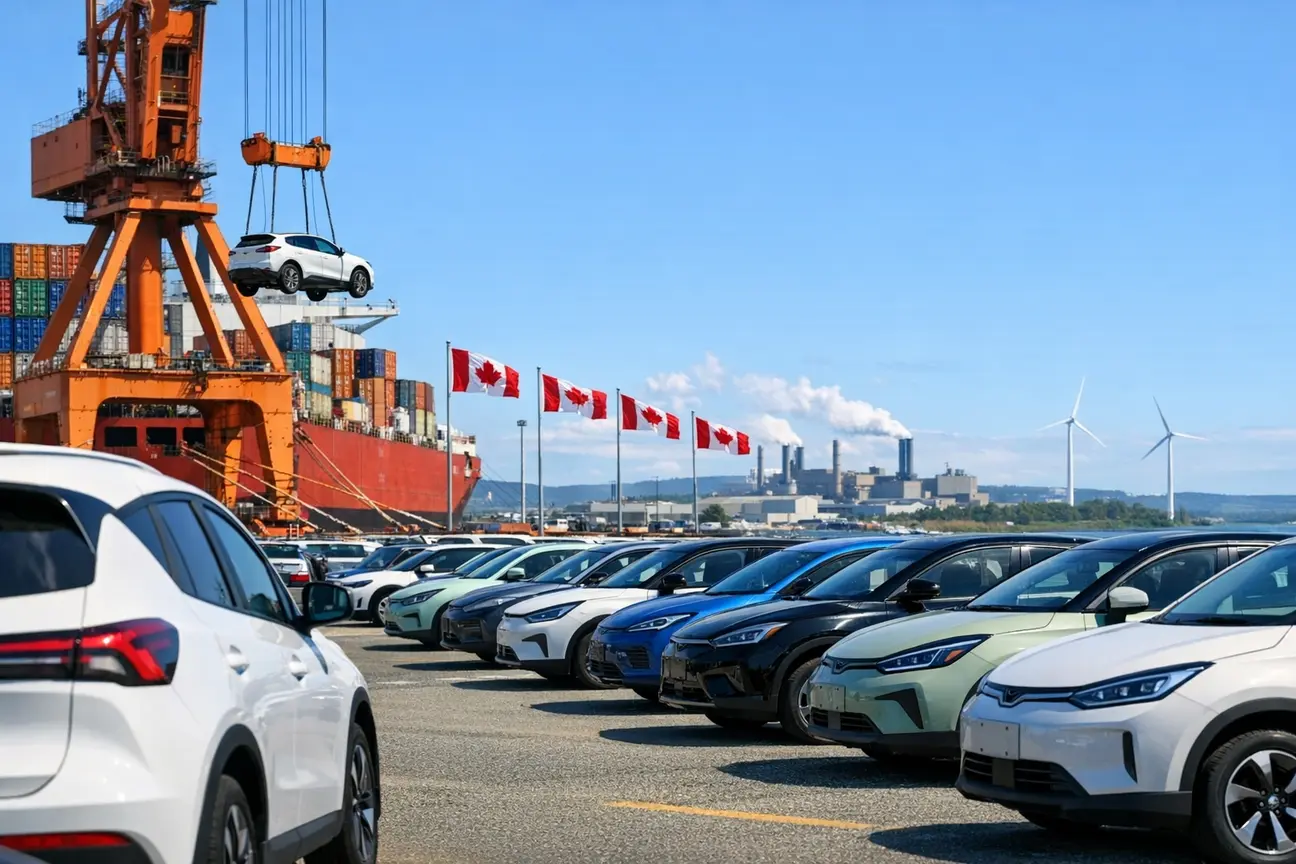
Canada will permit up to 49,000 Chinese-made electric vehicles (EVs) to enter the country at a 6.1% tariff, reversing an earlier 106% duty imposed in October 2024. The January move is designed to attract joint ventures, bolster domestic manufacturing, and reduce reliance on U.S.-centric supply chains, while China will lower tariffs on Canadian canola oil.
What’s Changing
- Import quota: Up to 49,000 Chinese-made EVs allowed at 6.1% tariff.
- Affordability goal: At least half of imported EVs priced below CA$35,000 within five years.
- Industrial push: Ottawa is seeking Chinese-Canadian joint ventures, expanding EV supply chains, and has signed an MoU with South Korea on clean-vehicle manufacturing alongside a new automotive strategy.
- Agricultural trade: China to reduce tariffs on Canadian canola oil.
Context and Scale
- The 49,000-vehicle quota is about 3% of Canada’s overall new-car market and roughly 20% of the battery-electric and plug-in hybrid segment (Dunsky Energy and Climate Advisors).
- Analysts expect Canada’s EV market to expand sharply by 2030, making the quota relatively modest over time.
Why It Matters
Consumers
Near-term access to more lower-priced EV options could expand adoption if companies meet affordability targets.
Industry
Ottawa aims to counter a long decline in auto output—down from about 3 million vehicles in 2000 to 1.3 million in 2025—by seeding local manufacturing and supply chains.
Trade Dynamics
As of February, the U.S. imposes a 25% tariff on non-U.S. content in vehicles assembled in Canada, equating to an effective 10%–12% tariff per vehicle, disrupting North American cross-border production.
Industry Shifts and Pressures
- Detroit automakers’ footprint in Canada has contracted: they account for ~23% of production versus 77% for Toyota and Honda (Greig Mordue, McMaster University).
- Recent moves: Stellantis paused operations in Brampton (Dec), GM canceled BrightDrop production in Ingersoll (2025) and cut a shift in Oshawa (Jan).
Reactions
- The Canadian Vehicle Manufacturers’ Association called the policy a “vehicle-sized irritant” ahead of USMCA talks, citing concerns about Chinese subsidies and potential security risks.
- Mexico has raised tariffs on Chinese vehicles to 50%, underscoring divergent North American approaches.
Opportunities and Uncertainty
- Potential for joint ventures and local assembly exists but may hinge on access to the U.S. market and evolving trade rules.
- Canada’s strengths include critical mineral deposits and a low-carbon electricity grid, positioning it for an EV-centric supply chain if aligned with allies.
- The leap from limited imports to full-scale assembly remains uncertain amid current U.S. trade incentives and Mexico’s cost advantages.
What to Watch
- USMCA review by July 1: Could reshape North American auto trade rules and determine the viability of Canada’s investment ambitions.
- Whether affordability targets are met and how the sub-CA$35,000 EV segment evolves.
- Any concrete Chinese or Korean manufacturing commitments in Canada and progress in critical minerals development.