
Overview
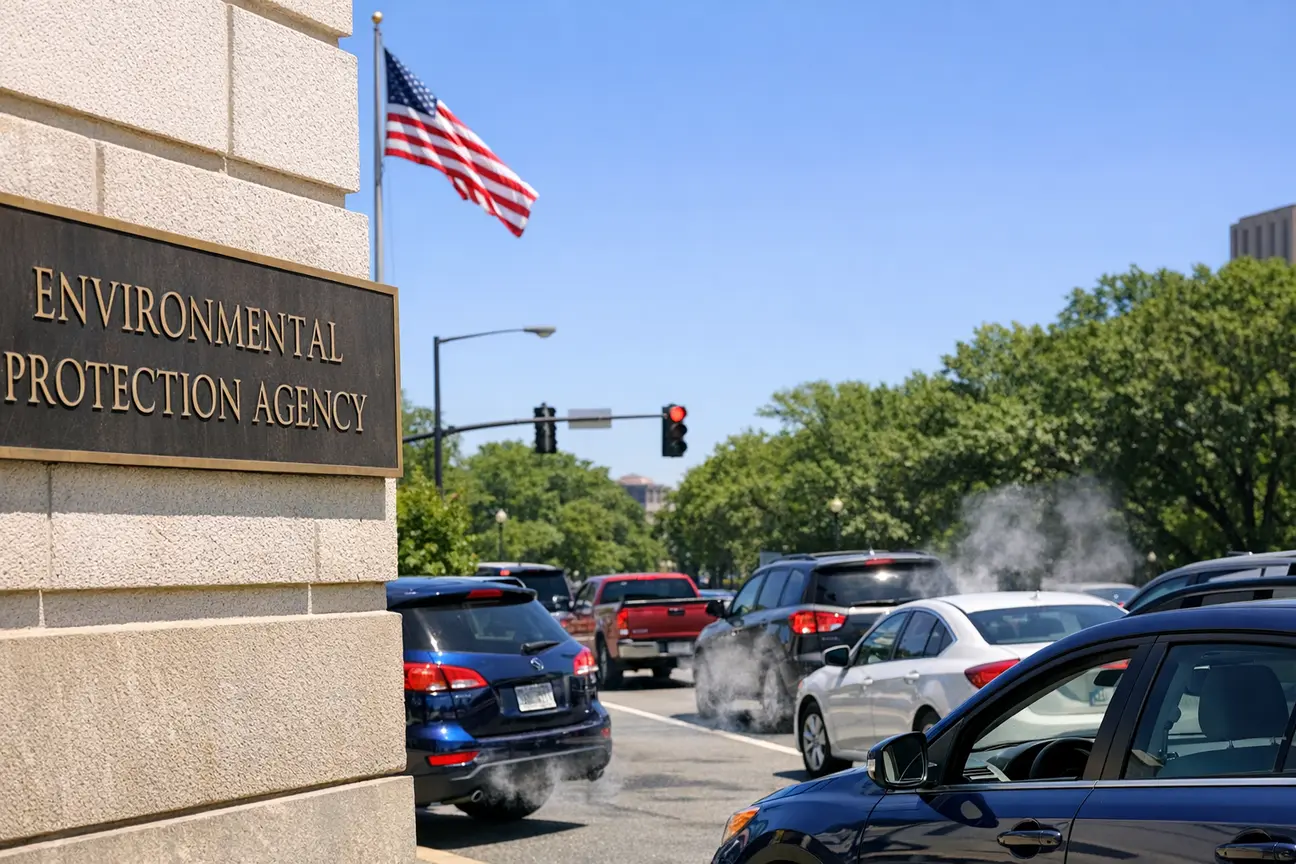
The article describes a move by the Environmental Protection Agency under President Trump to remove regulatory incentives tied to engine stop‑start systems, a feature widely adopted to improve fuel economy. While the EPA’s messaging is characterized in the article as “eliminating” stop‑start from U.S. roads, Hyundai counters that the policy is not a ban and simply withdraws incentives that had encouraged its use.
Automaker responses are mostly cautious, with several companies deferring details until the EPA formalizes the change. The practical implications for vehicles already on the road and for future product planning remain uncertain as of February 13, 2026.
What changed
- The EPA move targets regulatory incentives (e.g., test‑cycle or compliance credits) that had favored stop‑start technology.
- Stop‑start has never been federally mandated; the action removes incentives rather than prohibiting the feature, according to Hyundai.
- The article frames the change as “eliminating” stop‑start from U.S. roads, a characterization that Hyundai disputes.
- Most newer vehicles already include stop‑start, making rapid changes complex for automakers’ planning and compliance strategies.
Automaker and industry responses
- Hyundai: Says this is not a ban; it will keep evaluating technologies based on customer feedback, regulations, and efficiency, and will monitor evolving rules.
- Ford: Praises the policy direction and emphasizes a “single, stable national standard,” but provides no specific product decisions.
- Subaru: Says it is too early to comment.
- General Motors: Says it has nothing to share at this time.
- Toyota, Nissan, Honda (via AFAI): Defer to the Alliance for Automotive Innovation; the alliance links the move to broader revisions of prior emissions rules, calling earlier targets extremely challenging given current EV demand, while saying the industry aims to preserve consumer choice and continue on a long‑term path to cleaner vehicles.
What it could mean for drivers and future models
With no outright prohibition, automakers may continue to offer stop‑start based on their efficiency goals and customer preferences. However, the loss of incentives may shift the cost‑benefit calculus: some models could drop the feature, others may keep it, and some manufacturers might expand options for customers to disable it. For vehicles already in service, the article notes no concrete steps or requirements to retrofit or disable systems.
What is unclear or disputed
- The article’s “eliminating from U.S. roads” assertion is disputed by Hyundai, which describes the action as incentive removal rather than a ban.
- Timeline: How and when the EPA will translate this direction into formal rulemaking is unspecified.
- Compliance mechanics: Potential changes to greenhouse‑gas credits, test‑cycle provisions, or other mechanisms are not detailed.
- Existing vehicles: No guidance is provided on any retrofits or disabling of stop‑start for vehicles already on the road.
- Legal/procedural hurdles: The article notes possible uncertainty as the policy is codified.
Context and framing in the article
The EPA chief is quoted calling stop‑start “absurd,” situating the move within a broader rollback of prior emissions measures, including references to the agency’s earlier intent to revisit the endangerment finding and previous standards. Industry comments emphasize regulatory stability, competitiveness, consumer choice, and a gradual path toward cleaner vehicles.
Key takeaways
- This is about removing incentives, not a confirmed ban, per Hyundai’s statement.
- Automakers are largely in a wait‑and‑see posture pending formal EPA rulemaking.
- Short‑term impacts on current owners appear minimal; future model strategies may diverge as incentives change.