
Summary
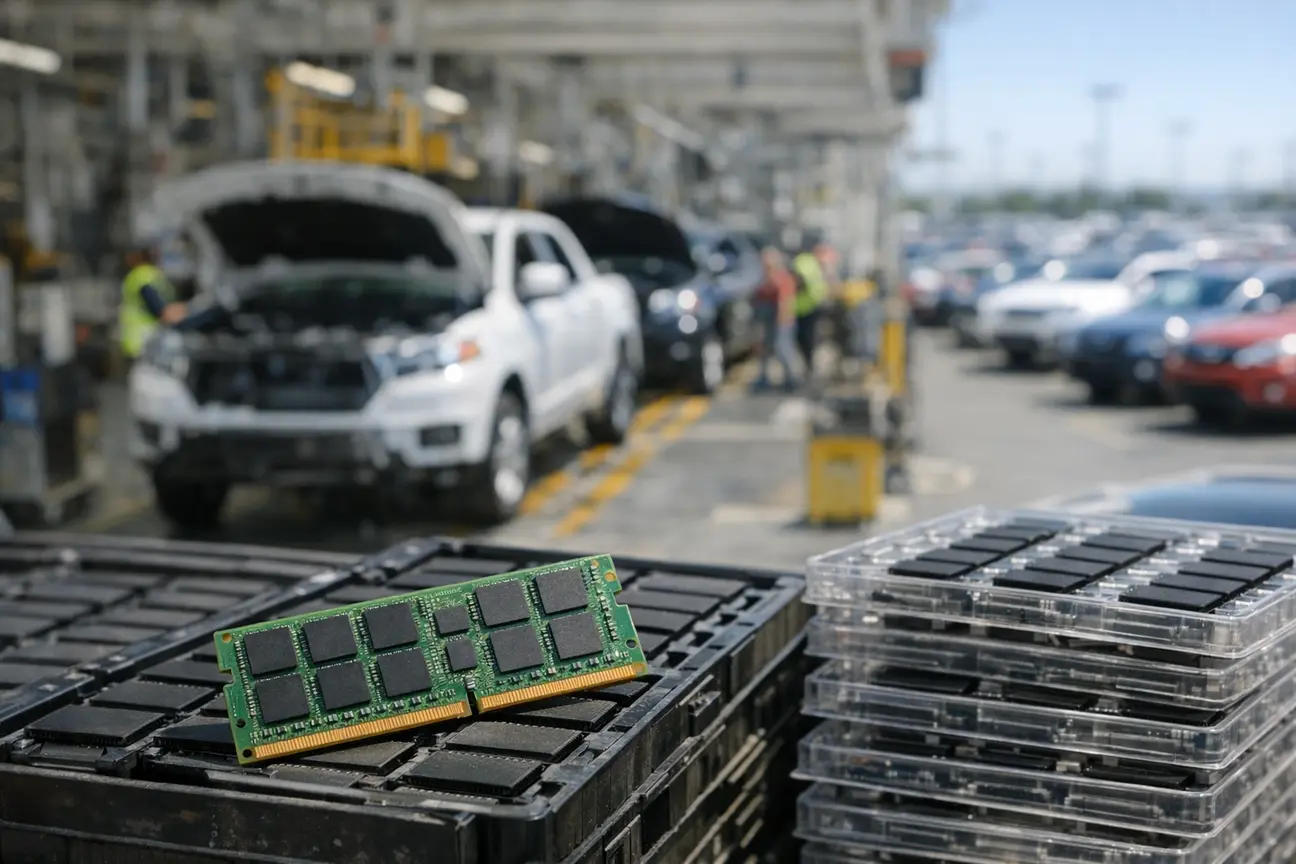
A global squeeze on memory chips driven by surging AI data center demand is beginning to pressure automakers. Ford says it has secured supply for now but is planning for higher costs as memory pricing rises. Analysts warn the crunch is spreading from consumer electronics into vehicles as memory footprints grow rapidly for driver-assistance, infotainment, and connected features.
Why memory chips are tight
- The bottleneck centers on DRAM and NAND, essential for data processing and storage across devices and vehicles.
- Samsung, SK Hynix, and Micron have reallocated capacity toward parts needed for AI infrastructure, leaving less for autos and consumer tech.
- Micron is further prioritizing data centers, including closing its Crucial consumer RAM brand, narrowing flexibility for other markets.
Auto industry exposure
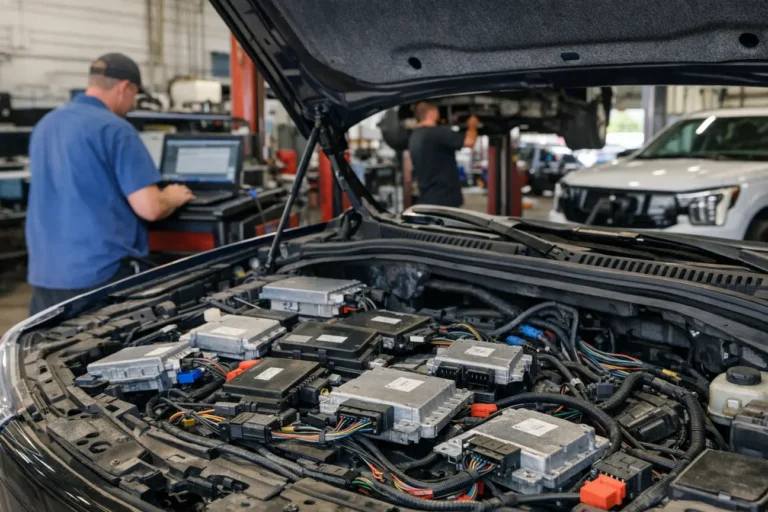
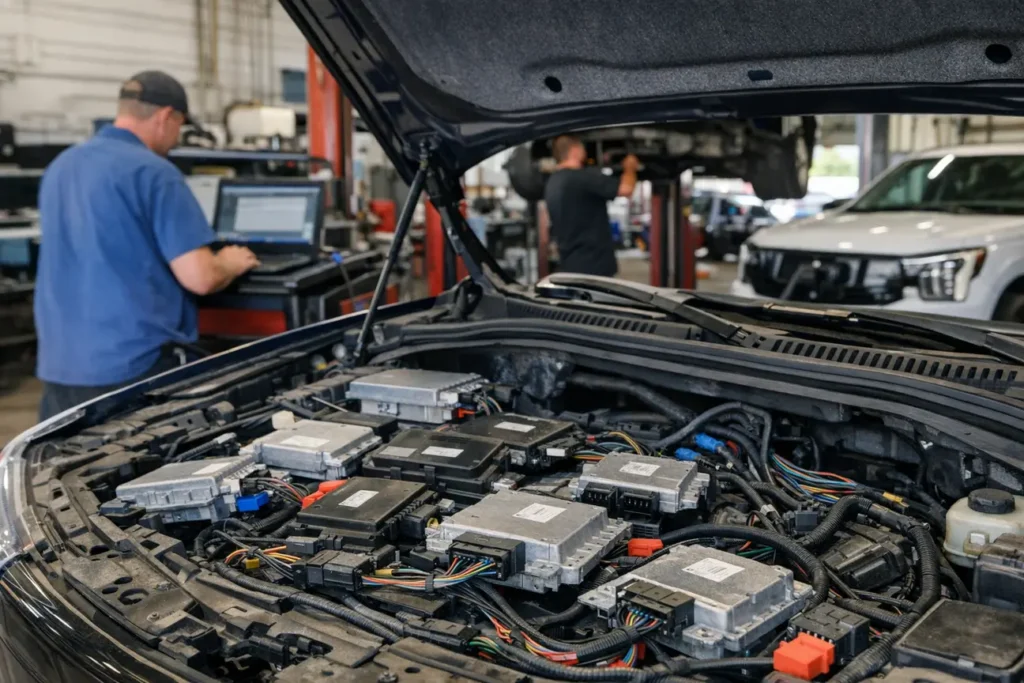
New vehicles require much more memory than in the past, and needs are rising quickly as automakers deploy software-defined features and sensor-heavy safety systems.
- Micron estimated in 2023 that the average vehicle carried ~90 GB of memory and projected roughly a tripling by 2026.
- Auto-grade parts demand rigorous qualification and long lifecycles, limiting the ability to swap in consumer-grade components during shortages.
Ford’s position
Ford’s CFO said the company currently has access to sufficient memory supply but is seeing price pressure and has incorporated higher costs into forward planning.
Market signals and parallels
- Analysts report signs of panic buying in the auto sector as companies try to lock in supply before further price hikes.
- The situation echoes earlier chip shortages that cut auto production and thinned dealer inventories, though the current choke point is memory rather than microcontrollers.
- Rising retail memory prices in PCs illustrate broader inflationary trends that can spill into autos.
Impacts and risks
- Higher bill-of-materials costs could pressure margins or flow through to vehicle prices.
- Automakers may face longer lead times and higher quotes if vendors prioritize high-margin AI products.
- Dealers could lean more on used inventory if affordability tightens; models rich in screens and driver-assistance features are most exposed.
- Even without line stoppages, constrained supply can complicate trim mix and production scheduling.
Outlook
- Automakers are signaling vigilance rather than crisis; early procurement and long-term agreements are key mitigations.
- The trajectory depends on how quickly memory makers add capacity or rebalance output and whether AI demand continues to outpace forecasts.
- Expect close watch on monthly production data, vehicle pricing, and dealer inventories for signs of broader impact.