

Overview
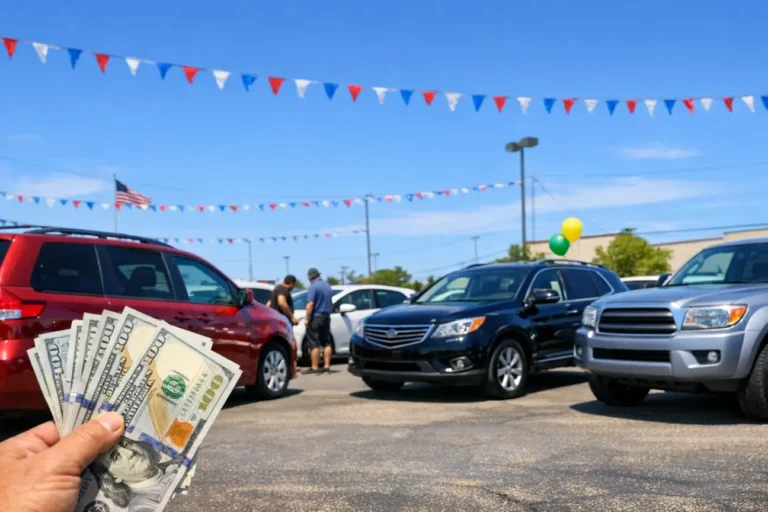
CARFAX estimates that 2.45 million vehicles on U.S. roads show signs of odometer rollback, a 14% year-over-year increase after a 4% rise the prior year. The company attributes the jump to easier access to digital tampering tools and more frequent mileage recordings that help flag discrepancies.
Key impacts
- Average value loss: About $3,300 per affected vehicle.
- Buyer risks: Overpaying, unexpected repairs, and potential safety issues tied to true (higher) mileage.
- Seller risks: Possible legal exposure and financial losses if reselling vehicles with altered mileage.
Where increases are sharpest
Among states with the largest year-over-year gains in suspected rollbacks:
- Montana: 33%
- Tennessee: 30%
- Arkansas: 28%
- Oklahoma: 25%
- Kansas: 24%
- New Jersey: 21%
- Florida: 20%
CARFAX did not release a complete state-by-state list but said localized data are available on request.
How CARFAX detects issues
CARFAX analyzes mileage entries over time in its vehicle history database to spot irregularities that suggest tampering. The 2.45 million figure reflects vehicles suspected of rollback; the company did not disclose how many cases were confirmed by authorities or the total number of odometer entries reviewed.
Why this is increasing
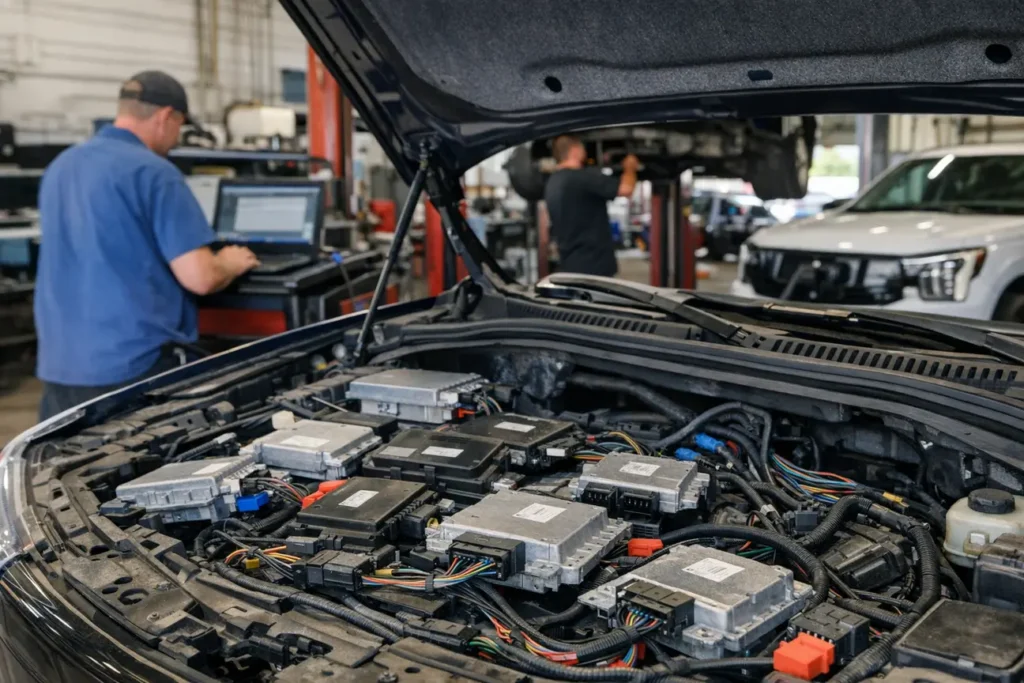
- Digital odometers can be manipulated using widely available, inexpensive tools.
- More frequent mileage recording (inspections, maintenance, title events) improves detection by revealing mismatches.
What buyers should do
- Pull a vehicle history report and compare odometer readings across titles, services, and inspections.
- Check for physical wear (pedals, seats, steering wheel) that conflicts with displayed mileage.
- Arrange a pre-purchase inspection by a trusted mechanic.
- Use the VIN to check for potential issues: carfax.com/odometer.
- Review service stickers, oil change logs, and inspection certificates for date/mileage consistency.
Context and timing
The findings were released Dec. 16 from Centreville, Va., and published Dec. 19. CARFAX, part of S&P Global Mobility, framed the trend as a growing consumer protection issue amid tight used-vehicle budgets and elevated prices.